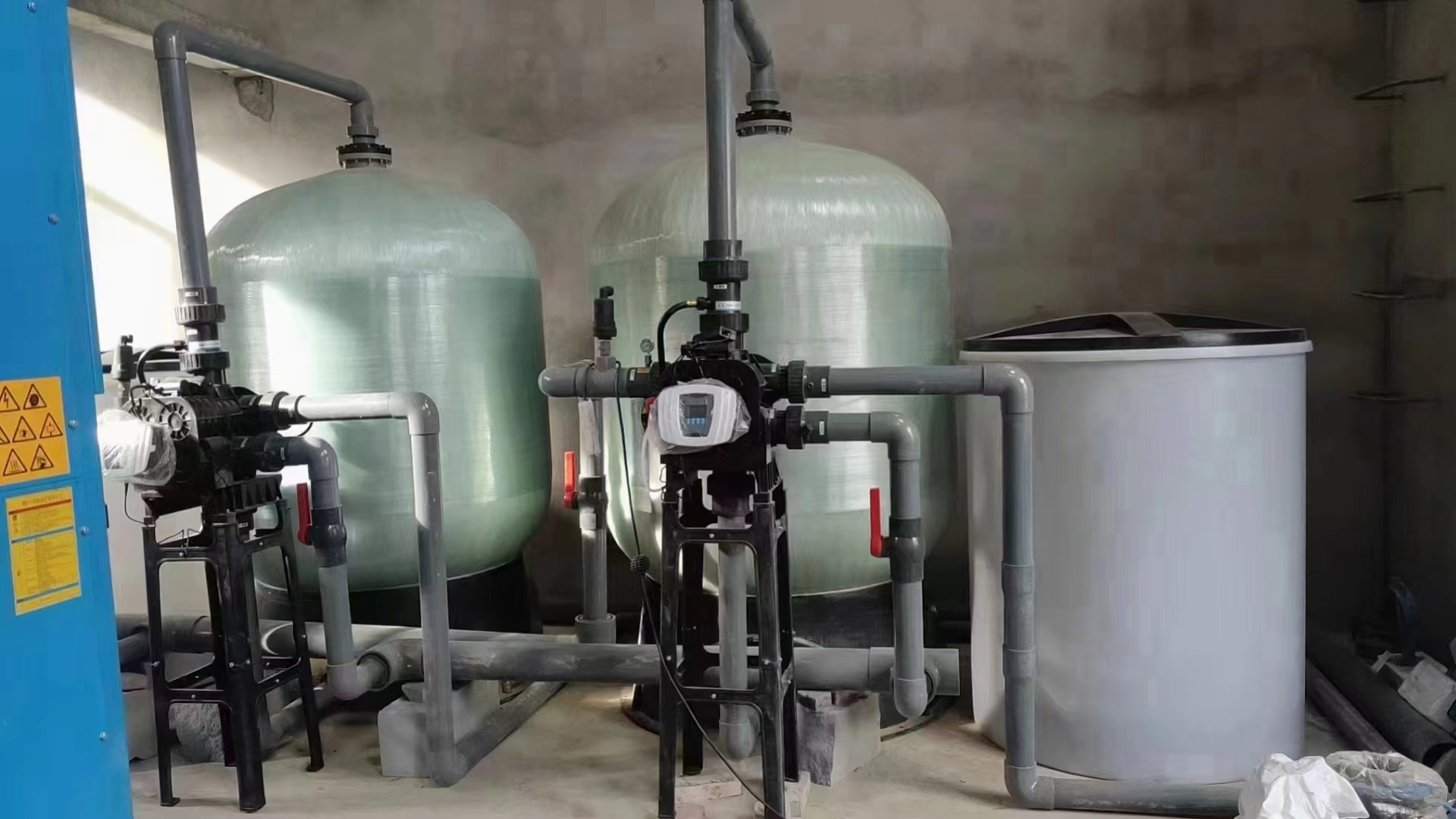
Water Softener Resin
Keywords:Water Softener Resin | Published: 2026-02-06 | Author: DIEN WATER GROUP
Water Softener Resin
High-Performance Ion Exchange Resin for Hard Water Treatment
Water softener resin is the core filtration media used in ion exchange water softening systems. It removes hardness minerals such as calcium (Ca²⁺) and magnesium (Mg²⁺), preventing scale buildup and improving overall water quality.
Whether for residential, commercial, or industrial applications, high-quality resin ensures stable softening performance and long service life.
What Is Water Softener Resin?
Water softener resin is typically a strong acid cation exchange resin in sodium form. It consists of small polymer beads that exchange sodium ions for hardness minerals in water.
When hard water passes through the resin bed:
-
Calcium and magnesium ions are captured
-
Sodium ions are released into the water
-
Scale formation is prevented
Once saturated, the resin is regenerated using salt (NaCl).
Types of Water Softener Resin
1️⃣ Gel Type Cation Resin
-
Most common
-
Cost-effective
-
Ideal for standard water softeners
2️⃣ Macroporous Resin
-
Higher resistance to organic fouling
-
Better for industrial or high-TDS water
3️⃣ Fine Mesh Resin
-
Faster ion exchange
-
Higher efficiency
-
Often used in commercial systems
Key Specifications
-
Particle size: 0.3–1.2 mm
-
Moisture content: 45–50%
-
Exchange capacity: ≥ 4.5 eq/L
-
Operating temperature: ≤ 120°C (depending on type)
Applications
-
Residential water softeners
-
Boiler feed water systems
-
Cooling towers
-
Laundry facilities
-
Food processing
-
Industrial pretreatment before RO
In industrial systems, resin protects pipelines, heating equipment, and membranes from scale damage.
Benefits of High-Quality Softener Resin
✔ Efficient hardness removal
✔ Long service life
✔ High exchange capacity
✔ Stable performance after multiple regenerations
✔ Reduced maintenance costs
Signs You Need to Replace Resin
-
Reduced softening capacity
-
Increased hardness in output water
-
Resin beads breaking or clumping
-
Strong odor from tank
Typical lifespan: 3–7 years, depending on water quality and maintenance.
Benefits of High-Quality Softener Resin
 Efficient hardness removal Long service life High exchange capacity Stable performance after multiple regenerations Reduced maintenance costs
Signs You Need to Replace Resin
-
Reduced softening capacity
-
Increased hardness in output water
-
Resin beads breaking or clumping
-
Strong odor from tank
Typical lifespan: 3–7 years, depending on water quality and maintenance.
Resin for Industrial Water Treatment
For large-scale systems, we offer:
-
25L / 50L bags
-
OEM packaging
-
Technical support
-
Customized ion exchange solutions
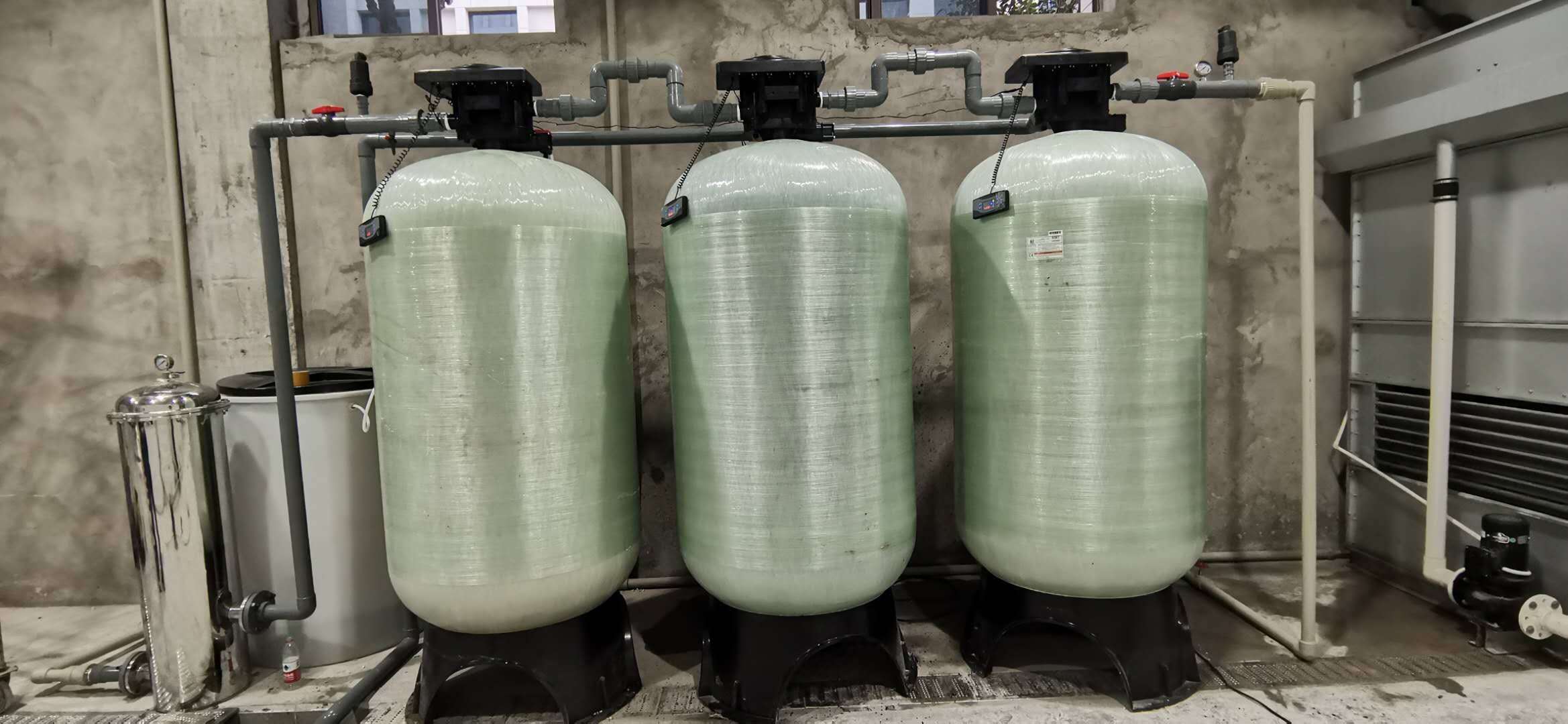
Our resins are suitable for FRP tanks and stainless steel softening systems.
How to Choose the Right Resin
Before purchasing, consider:
-
Raw water hardness
-
Iron content
-
Organic contamination
-
System size and flow rate
-
Regeneration frequency
Professional water testing ensures optimal selection.