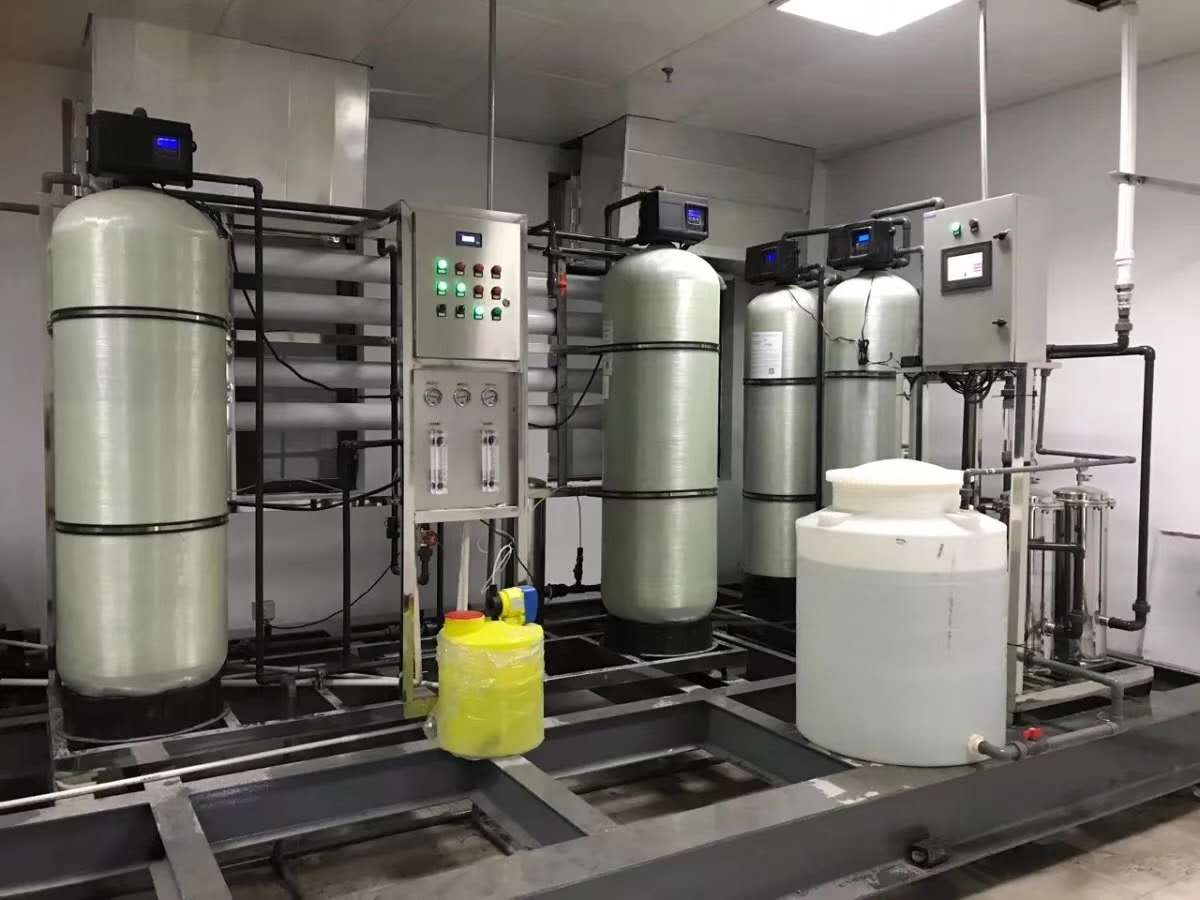
3.Water Purification Equipment
2026年2月10日5.Whole House Water Filter: The Key to Clean Water for Your Entire Home
2026年2月11日4.Water Purification EquipmentReverse Osmosis System: Ultimate Guide to Pure and Safe Water
Reverse Osmosis System: Ultimate Guide to Pure and Safe Water
In today’s world, access to clean and safe water is more important than ever. A reverse osmosis system (RO system) is one of the most effective ways to purify water, removing contaminants, heavy metals, and harmful microorganisms. Whether for residential, commercial, or industrial use, RO systems ensure high-quality water for drinking, cooking, and manufacturing processes.
What is a Reverse Osmosis System?
A reverse osmosis system is a water purification technology that uses a semi-permeable membrane to remove impurities from water. By applying pressure, water molecules pass through the membrane while contaminants like lead, arsenic, chlorine, and bacteria are filtered out. The result is clean, safe, and great-tasting water.
Key Components of an RO System
-
Pre-Filtration Stage: Removes sediments, rust, and large particles.
-
RO Membrane: Filters out dissolved salts, heavy metals, and harmful chemicals.
-
Post-Filter: Enhances taste and ensures water safety.
-
Storage Tank: Stores purified water for immediate use.
-
Faucet/Dispensing System: Provides easy access to purified water.
Benefits of Using a Reverse Osmosis System
-
High Water Purity: Removes up to 99% of impurities, including heavy metals and microorganisms.
-
Improved Taste and Odor: Eliminates chlorine, chemicals, and unpleasant flavors.
-
Safe for Drinking and Cooking: Ensures water is safe for all household or commercial applications.
-
Environmentally Friendly: Reduces dependency on bottled water.
Applications of Reverse Osmosis Systems
-
Residential Use: Under-sink RO systems provide safe drinking water.
-
Commercial Use: Restaurants, hotels, and offices can ensure high-quality water for guests.
-
Industrial Use: Pharmaceutical, electronics, and food processing industries rely on RO water for production.
-
Desalination: RO systems can convert seawater into potable water, ideal for coastal regions.
How to Choose the Right RO System
When selecting a reverse osmosis system, consider:
-
Water Quality: Test your water to identify contaminants.
-
Capacity: Choose a system based on daily water consumption.
-
Certification: Look for systems certified by NSF/ANSI standards.
-
Maintenance: Ensure easy filter replacement and long-term reliability.