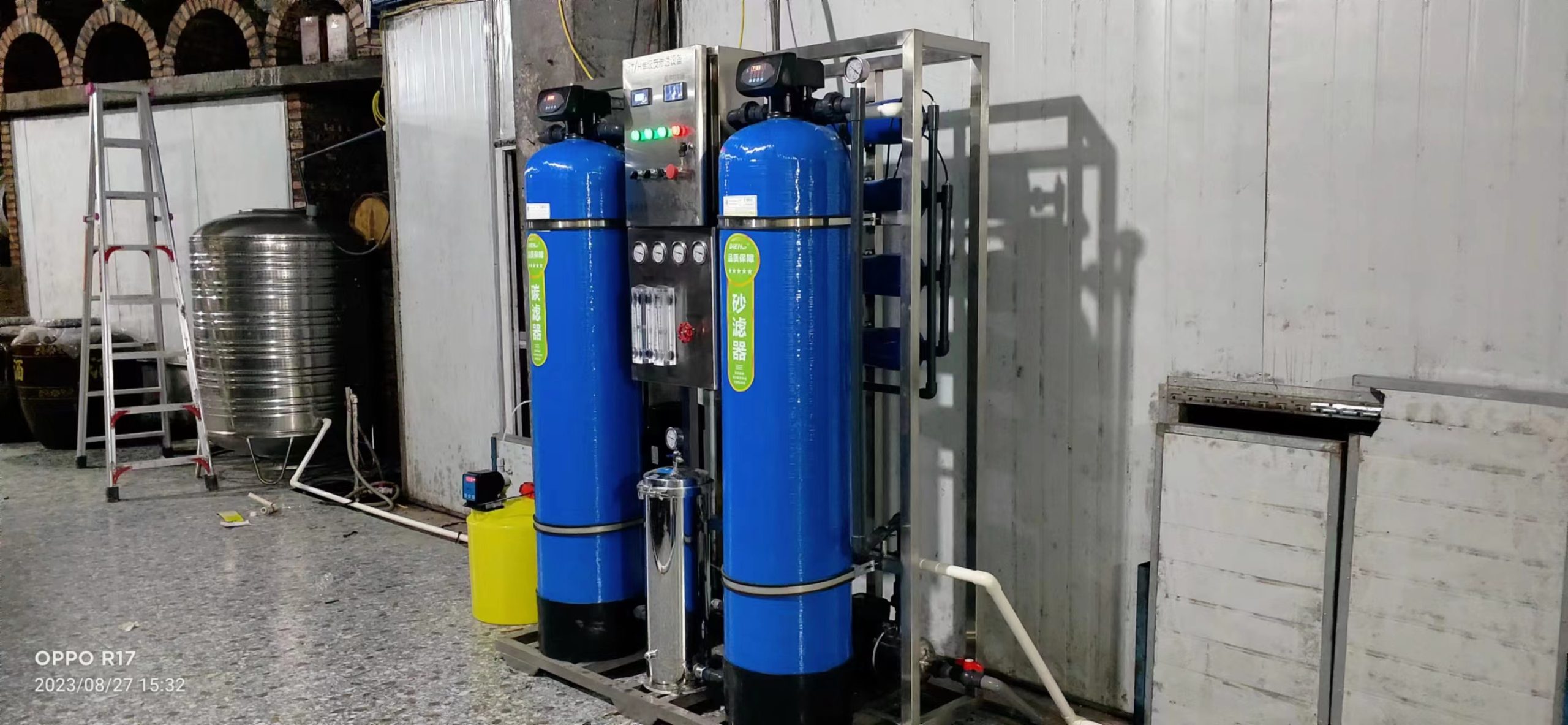
81.Sediment Filter for Reverse Osmosis Water Systems
2026年2月28日83.Water filter cartridge replacement for home systems
2026年2月28日82.Pre-Filter for Reverse Osmosis Water Purifiers
Pre-Filter for Reverse Osmosis Water Purifiers — The Essential First Step to Clean, Safe Water
A high-performance reverse osmosis (RO) water purifier doesn’t start at the membrane — it starts with the pre-filter. Pre-filters are the first line of defense, protecting your RO system and dramatically improving water quality.
In this article, we’ll cover:
-
What a pre-filter is
-
Why it matters in RO systems
-
Types of pre-filters
-
How to choose the right one
-
FAQs — all optimized for SEO and customer education
What Is a Pre-Filter in a Reverse Osmosis Water Purifier?
A pre-filter is a filtration component installed at the very first stage of a reverse osmosis water purifier. Its job is to remove larger contaminants such as:
-
Dirt and sand
-
Rust and sediment
-
Suspended solids
-
Large particles that can clog downstream filters
By capturing these impurities early, the pre-filter protects the RO membrane, carbon filters, and other components from premature wear and blockage.
Why Pre-Filters Are Critical for RO Water Purifiers
1. Protects the RO Membrane
The RO membrane is the most delicate and costly component in a water purifier. Pre-filters prevent fouling by trapping solids before they reach the membrane, prolonging its lifespan.
2. Improves Water Flow
Clogged membranes reduce water flow. A clean pre-filter maintains consistent pressure and steady purified water output.
3. Reduces Maintenance Costs
Without a pre-filter, larger particles would quickly clog filters and membranes, leading to frequent replacements and higher maintenance costs.
4. Enhances Overall Water Quality
Pre-filters reduce cloudiness and turbidity in the feed water, resulting in clearer, better-tasting drinking water.
Types of Pre-Filters Used in RO Water Purifiers
Choosing the right type impacts how effectively your system performs:
1. Sediment Pre-Filters
-
Typically rated by micron size (5 µm, 1 µm, etc.)
-
Removes dirt, sand, and rust
-
Most common and essential pre-filter
Best for: Municipal water, well water, household RO systems.
2. Activated Carbon Pre-Filters
Often used after the sediment pre-filter, carbon filters remove:
-
Chlorine
-
Organic chemicals
-
Bad tastes and odors
-
Certain pesticides
Note: Chlorine damages RO membranes — this makes carbon pre-filtration crucial when treating city tap water.
3. Multi-Stage Pre-Filtration
For challenging water sources (e.g., high sediment or industrial wastewater), RO systems often use multiple pre-filters in sequence:
-
20 µm sediment
-
5 µm sediment
-
Activated carbon
-
Final polishing filter
This layered approach ensures maximum protection and longevity for the entire RO system.