How to Treat Automobile Painting Wastewater Effectively
Treating automotive paint wastewater is hard. The water from painting cars has many contaminants. These come from paint, solvents, and cleaning agents. You need to know what is in the wastewater first. This helps you clean it better.
|
Contaminant Type |
Description |
|
Total Suspended Solids |
Particles floating in water that make it unclear and lower quality. |
|
Chemical Oxygen Demand (COD) |
Oxygen needed to break down organic stuff. |
|
Turbidity |
Water looks cloudy because of tiny particles. |
|
Organic Matter |
Carbon-based things that break down over time. |
|
Heavy Metals |
Dangerous metals that can build up in nature and living things. |
Here is a table that lists the main contaminants you will find:
Paint industry wastewater often has lots of total suspended solids.These solids come from paint overspray and cleaning. Heavy metals like lead, cadmium, and chromium are also found. Organic pollutants such as diisocyanates and VOCs are common too. The painting process changes the types and amounts of contaminants. If you use water-based paints instead of solvent-based paints, the wastewater changes. The raw waste tank usually has the most VOCs. Each treatment step changes the water’s makeup.
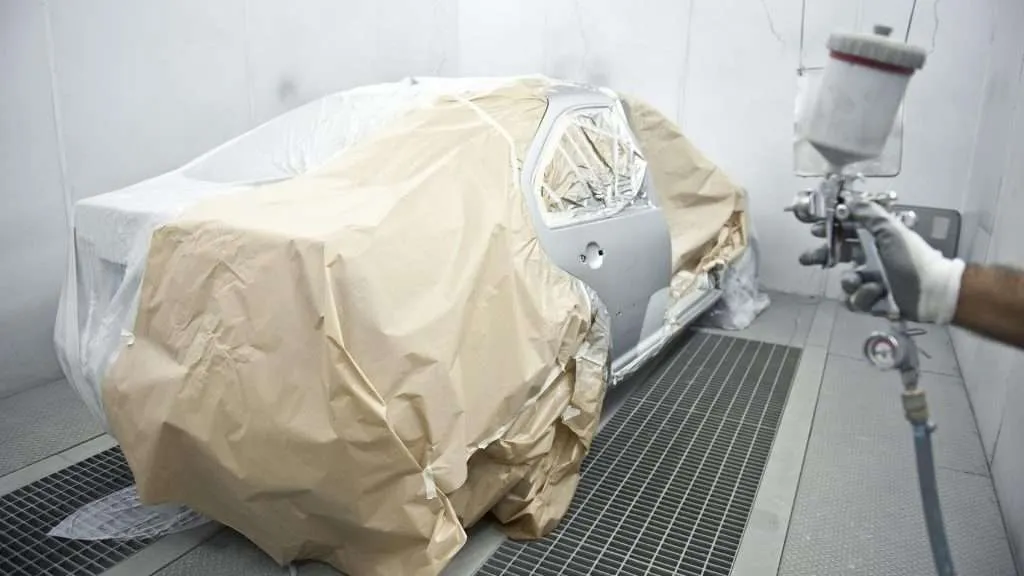
Automotive Painting Wastewater
Automobile painting wastewater contains paint particles, pigments, resins, solvents, surfactants, oil, and heavy metals, which makes it highly polluted and difficult to treat using a single process. The most effective treatment solution is a combined physicochemical + membrane filtration process, ensuring stable discharge or reuse.
Recommended Treatment Process
-
Coagulation & Flocculation
Chemicals are added to destabilize emulsified paint particles and suspended solids, forming larger flocs. -
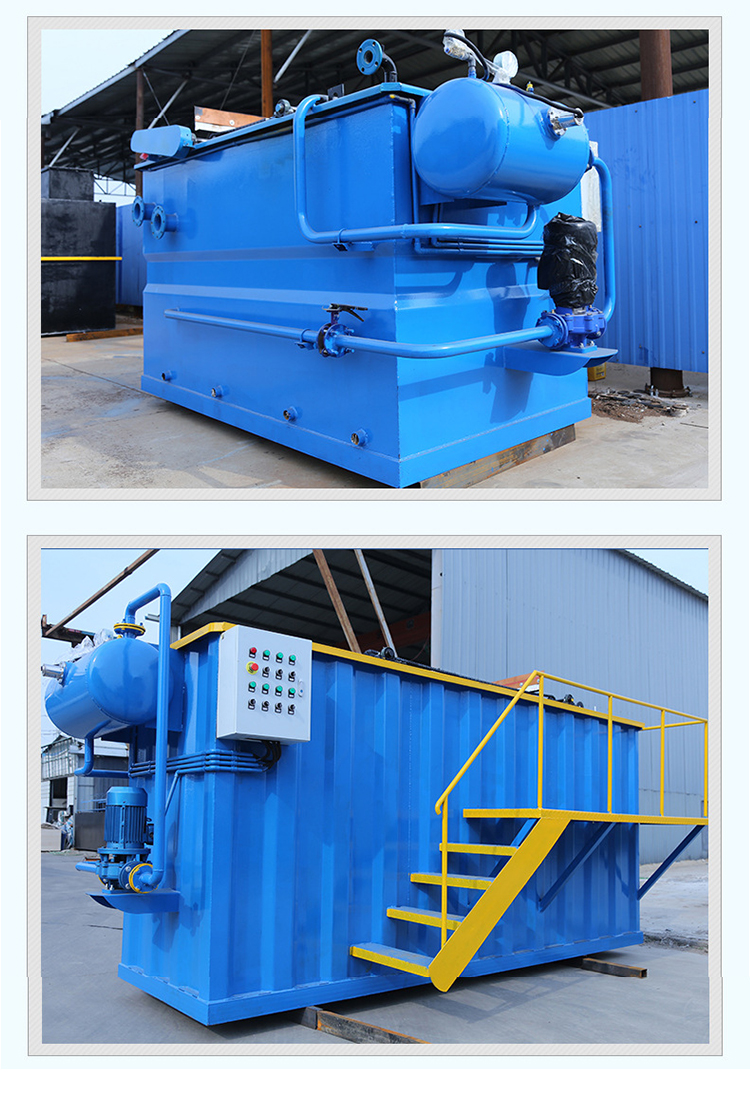
Dissolved Air Flotation (DAF)
Effectively removes paint sludge, oil, grease, and floating contaminants with high efficiency. -
Sedimentation / Sludge Removal
Separates settled solids to reduce downstream load. -
Multi-Media Filtration
Removes remaining suspended solids and reduces turbidity. -
Activated Carbon Filtration
Adsorbs organic matter, color, odor, and residual solvents. -
Reverse Osmosis (RO) System
Deep purification to remove dissolved salts, heavy metals, and organic pollutants, enabling water reuse or compliant discharge.
Advantages of This Treatment Solution
-
High removal efficiency for paint particles and COD
-
Stable operation and easy management
-
Protects RO membranes and extends service life
-
Treated water can be reused in washing or production processes
-
Helps meet local environmental discharge standards
Applicable Scenarios
-
Automobile manufacturing plants
-
Vehicle painting workshops
-
Auto parts coating factories
-
Industrial spray painting wastewater projects
System Integration
This wastewater treatment solution can be integrated with large water treatment equipment, pretreatment systems, and industrial reverse osmosis units, forming a complete turnkey solution from wastewater treatment to water reuse.