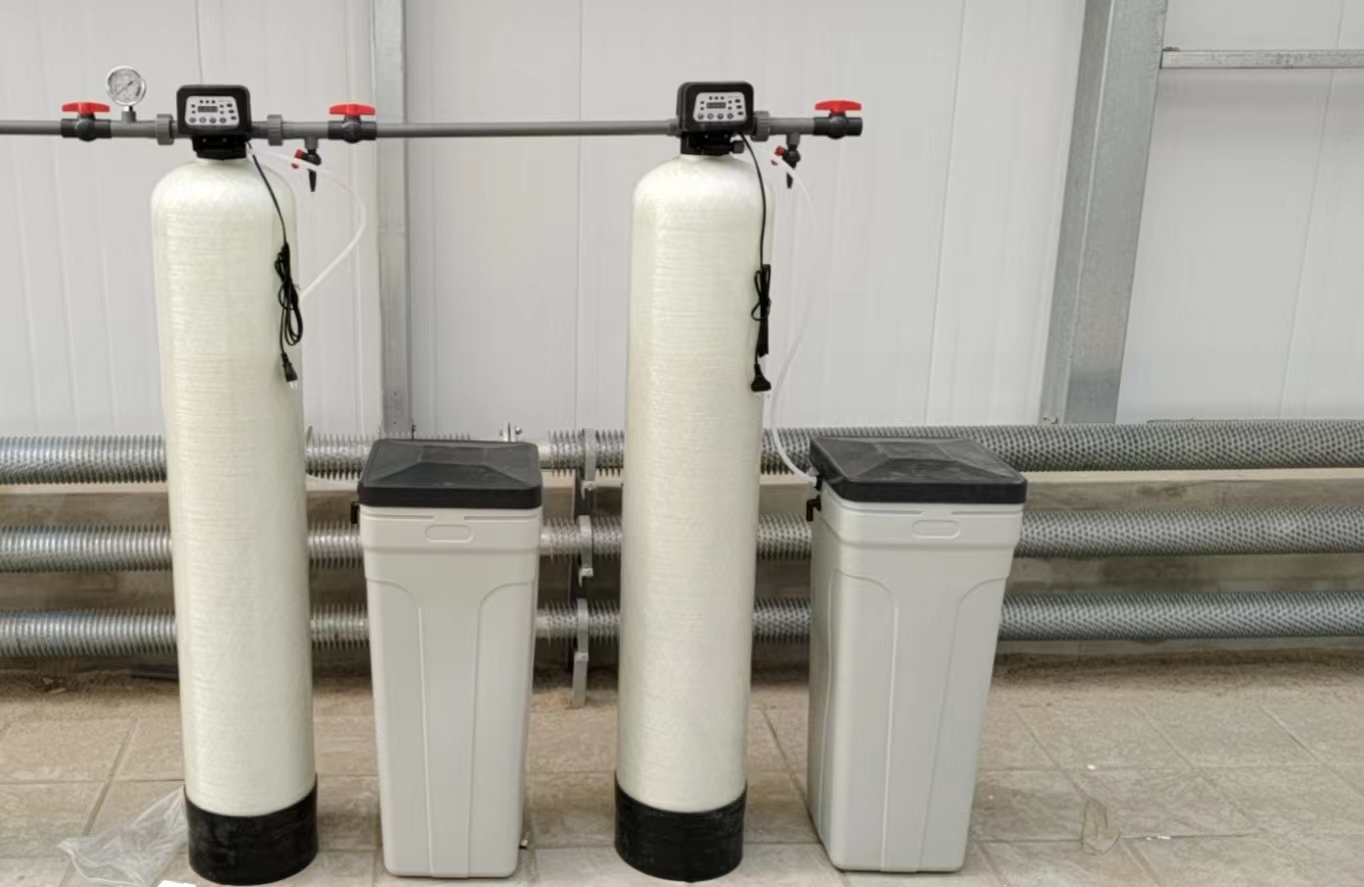
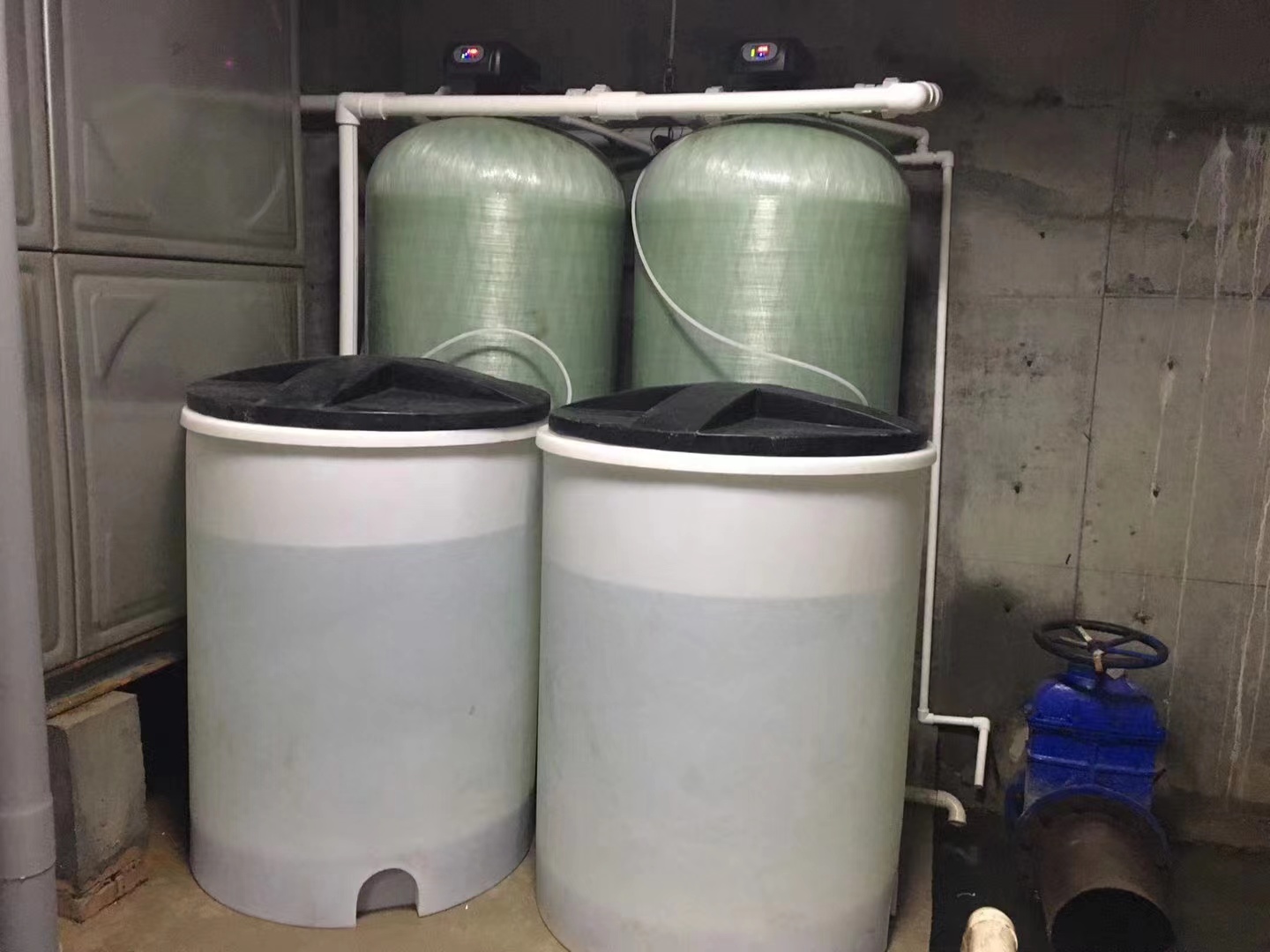
Double Tank Double Valve Water Softener
Continuous Soft Water | Independent Control | Heavy-Duty Performance
The Double Tank Double Valve Water Softener is designed for applications requiring high reliability and continuous soft water supply. Each resin tank is equipped with its own automatic control valve, allowing one tank to operate while the other regenerates independently, ensuring zero interruption during regeneration.
This system is ideal for industrial processes, boiler feed water, RO pretreatment, and large commercial facilities where stable water hardness control is critical.
Working Principle
Hard water passes through one resin tank, where calcium and magnesium ions are exchanged with sodium ions. When the operating tank reaches its capacity, the system automatically switches to the second tank. The exhausted tank then enters automatic salt (NaCl) regeneration, while soft water supply continues without downtime.
Key Advantages
-
True 24/7 continuous soft water supply
-
Double valves provide independent control and higher reliability
-
Suitable for high flow and heavy-duty operation
-
Automatic switching and regeneration
-
Excellent scale prevention and equipment protection
Technical Features
-
System type: Double tank, double valve
-
Capacity: Customized (5–100+ T/H)
-
Resin: High-quality cation exchange resin
-
Tank material: FRP / Carbon steel / Stainless steel
-
Control mode: Flow-based or time-based automatic valves
-
Regeneration method: Automatic salt regeneration
Applicable Water Sources
-
Tap water
-
Groundwater
-
Well water
-
Industrial process water
Application Areas
-
Boiler feed water systems
-
Cooling tower make-up water
-
Heat exchange systems
-
Industrial manufacturing plants
-
Hotels, hospitals, and large commercial buildings
Why Choose Us
-
10+ years water treatment equipment manufacturing experience
-
Factory direct supply with competitive pricing
-
OEM & ODM service supported
-
Stable performance and easy maintenance
-
Professional technical guidance and after-sales support