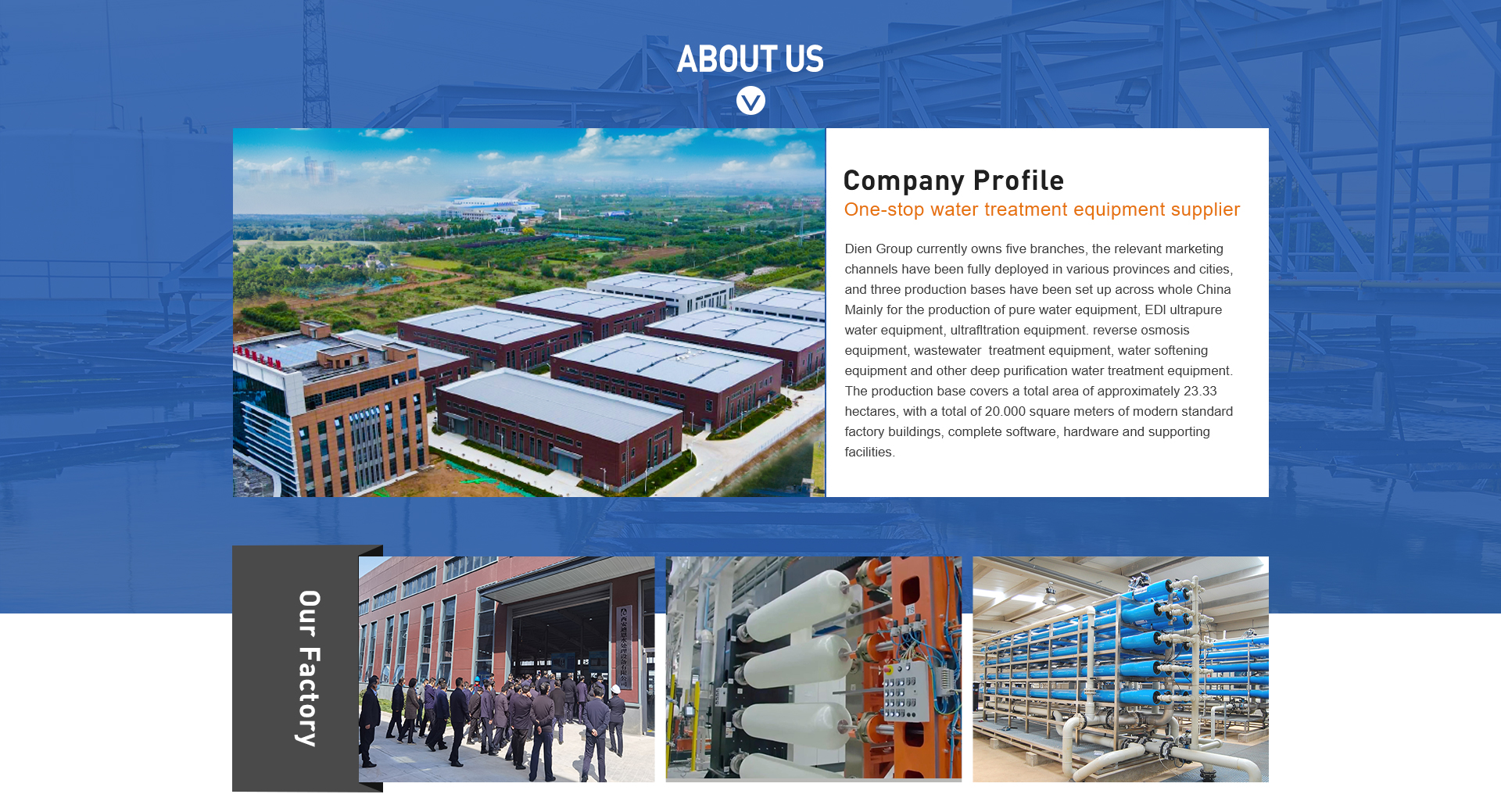
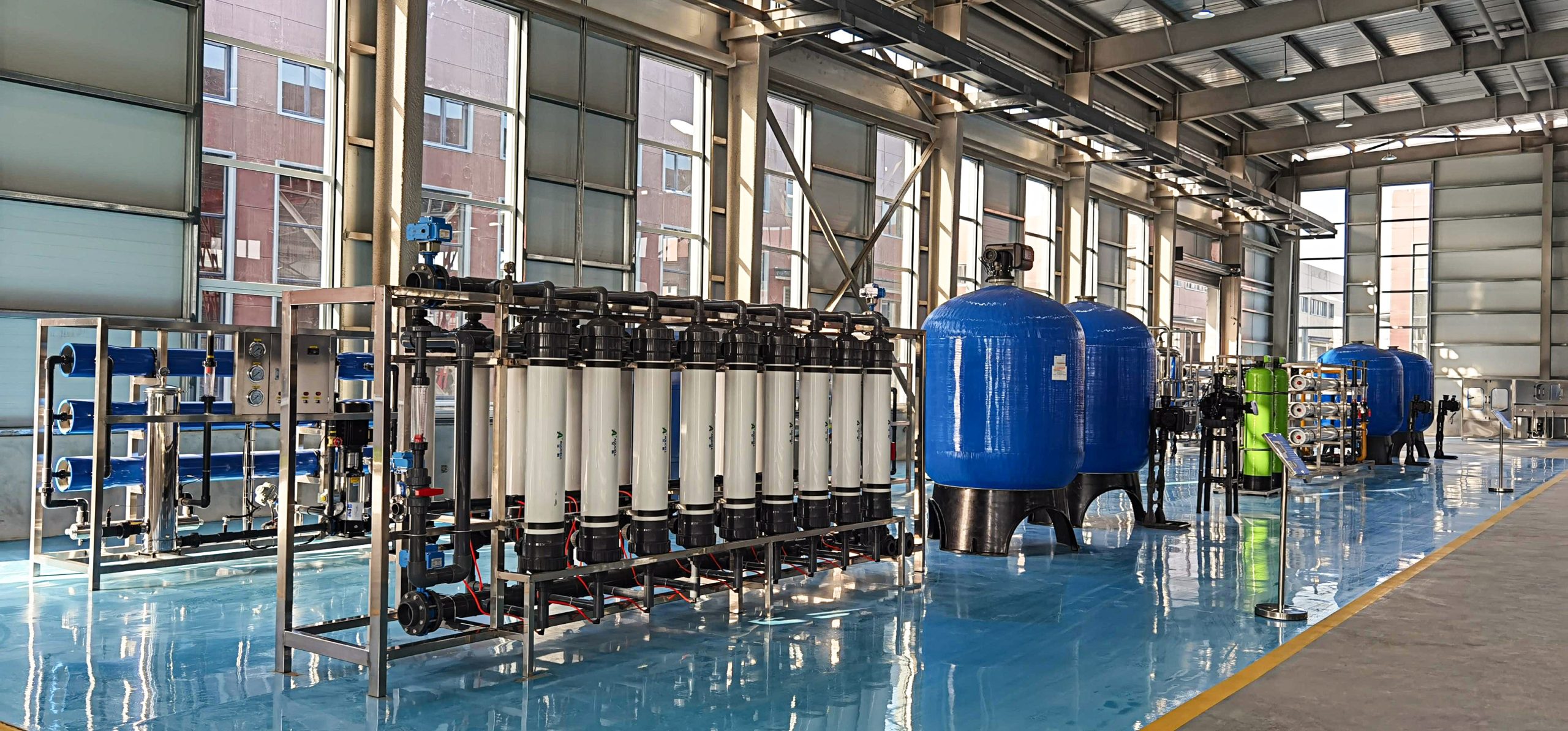
Large flow ultrafiltration equipment
High-Throughput Membrane Filtration System
Product Overview
Large Flow Ultrafiltration Equipment is engineered for high-throughput water treatment applications that require continuous, stable, and large-volume filtration.
By utilizing advanced ultrafiltration (UF) membrane technology, the system effectively removes suspended solids, colloids, bacteria, algae, and macromolecular organic matter, ensuring reliable effluent quality even under fluctuating raw water conditions.
It is an ideal solution for municipal water plants, industrial parks, power plants, and large-scale RO pretreatment systems.
Working Principle
The system operates based on pressure-driven membrane separation:
-
Raw water is filtered through UF membranes under low pressure
-
Particles larger than the membrane pore size are retained
-
Clean water passes through as permeate
-
Membrane surfaces are maintained through automatic backwash, air scouring, and chemical cleaning
UF membranes typically have a pore size of 0.01–0.1 μm, providing excellent turbidity and SDI control.

Key Features & Advantages
-
Extremely high flow capacity for large-scale treatment
-
Stable effluent quality under continuous operation
-
Excellent SDI and turbidity reduction
-
Fully automatic PLC control
-
Low operating pressure & energy consumption
-
Modular design for flexible expansion
-
Long membrane service life
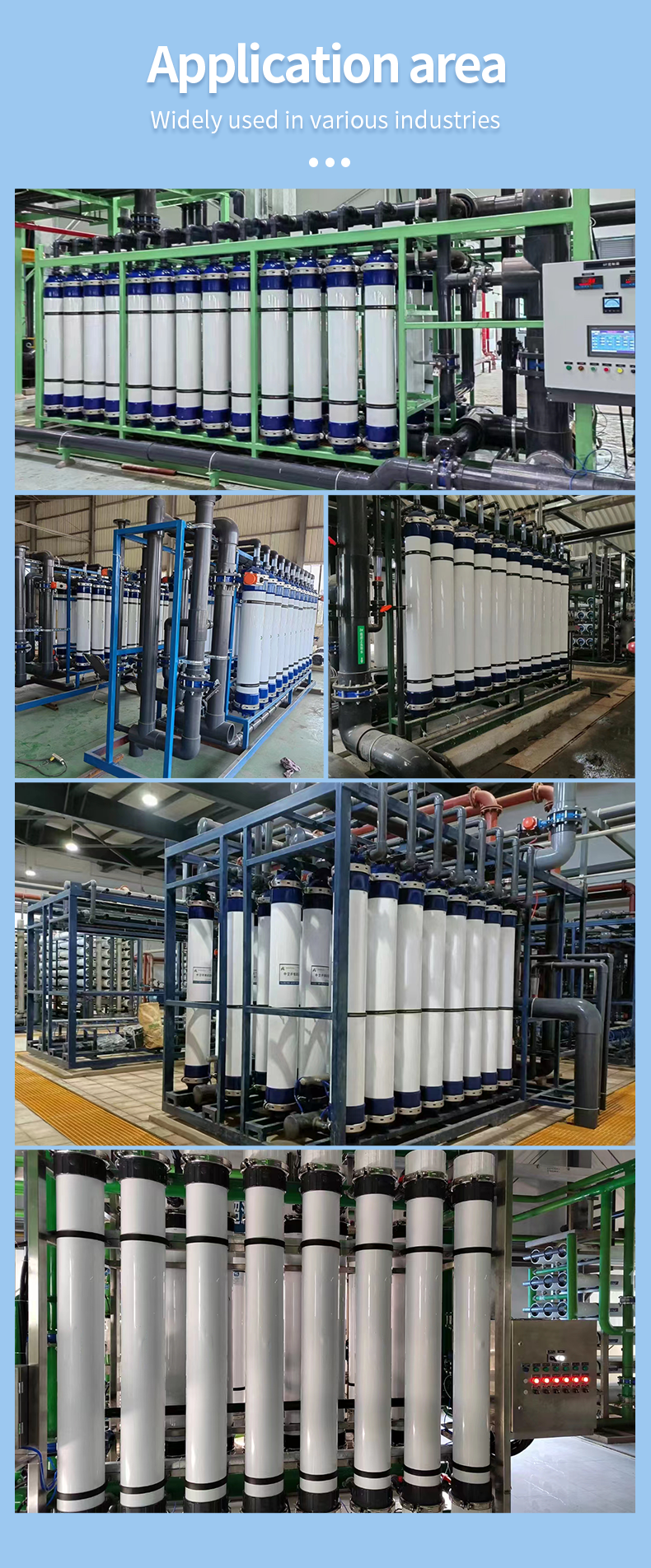
Application Fields
-
Municipal drinking water treatment
-
Large industrial water supply
-
Power plant cooling water pretreatment
-
Seawater and brackish water RO pretreatment
-
Wastewater reuse and reclamation
-
Industrial park centralized water treatment
System Configuration Options
-
Capacity: 100–5000 m³/h
-
Membrane material: PVDF / PES
-
Membrane type: Hollow fiber
-
Operating mode: Outside-in / Inside-out
-
Control system: PLC + HMI
-
Optional units: Air scouring system, CIP station, online SDI monitoring