UV sterilizer
Efficient & Chemical-Free Water Disinfection
Product Overview
UV Sterilizer is a physical water disinfection device that uses ultraviolet (UV) light at 254 nm wavelength to inactivate bacteria, viruses, algae, and other microorganisms.
By destroying the DNA and RNA structure of pathogens, UV sterilizers prevent microbial reproduction without adding any chemicals or producing harmful by-products.
UV sterilizers are widely used in drinking water treatment, wastewater reuse, industrial process water, aquaculture, swimming pools, laboratories, and medical water systems.
Working Principle
-
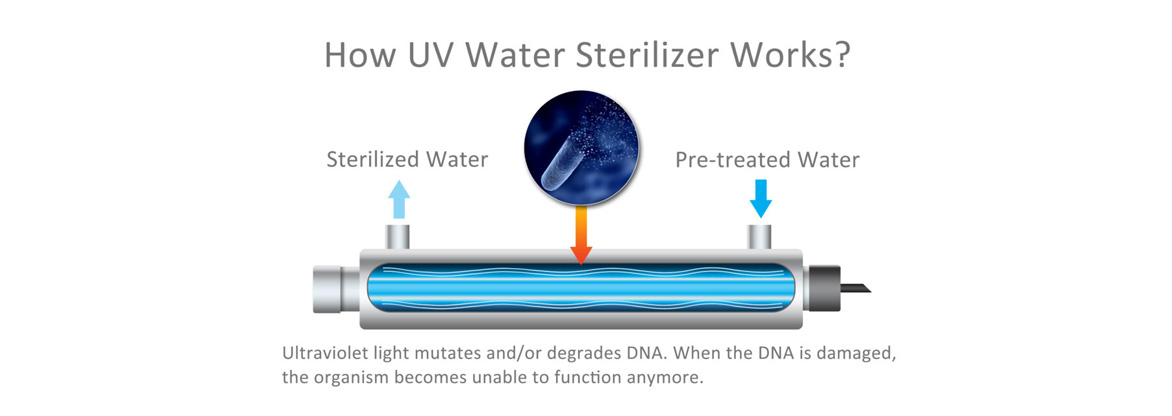
Water flows through the UV sterilization chamber
-
High-intensity UV lamps emit ultraviolet radiation
-
Microorganisms are exposed to UV light
-
DNA and RNA are damaged, achieving instant sterilization
-
Sterilized water exits the system safely
Key Features & Advantages
-
Chemical-free disinfection
-
Instant sterilization (no contact time required)
-
High sterilization efficiency (≥99.9%)
-
No taste, odor, or secondary pollution
-
Low operating cost
-
Simple structure & easy maintenance
-
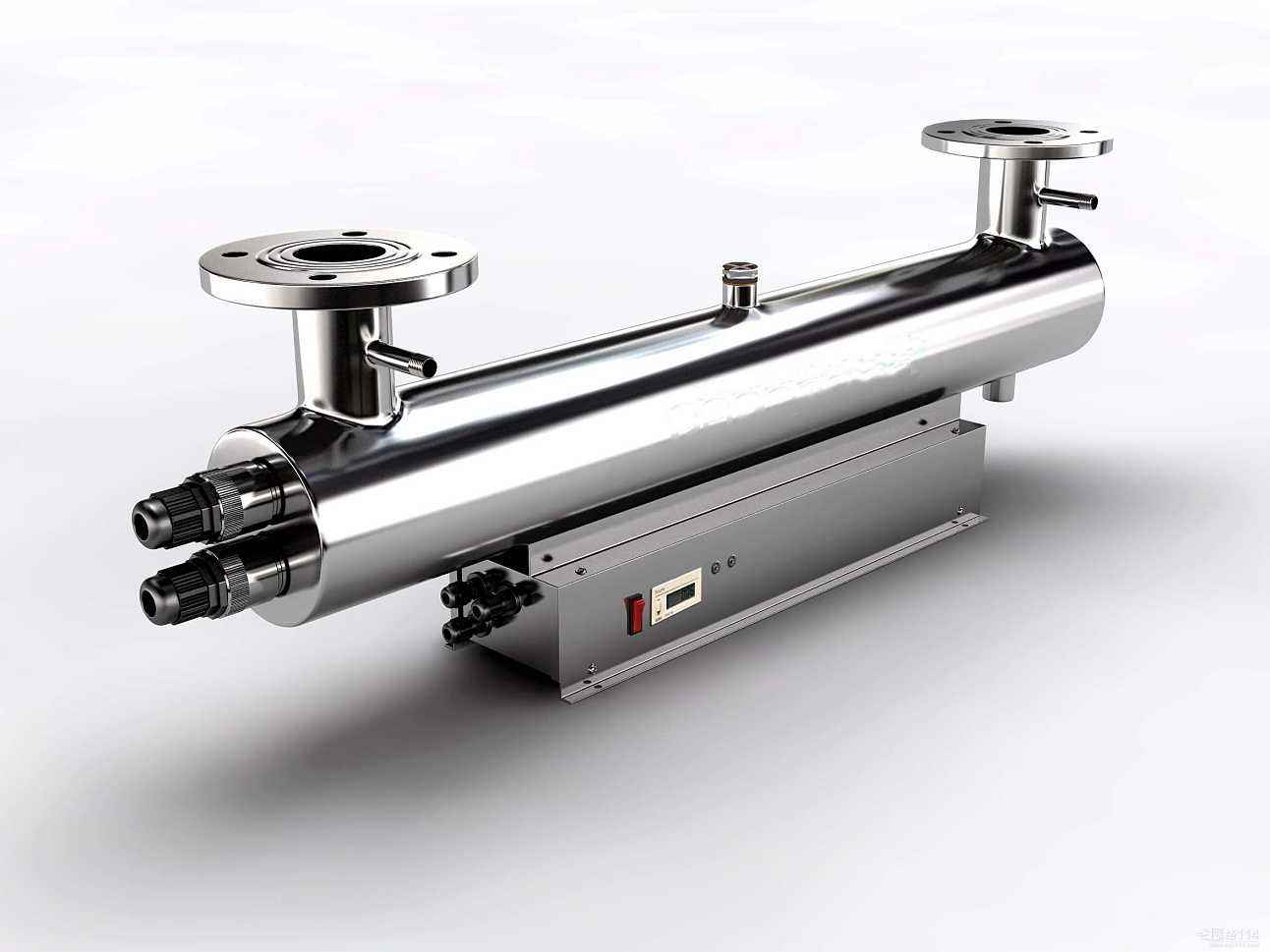
Stainless steel housing (SS304 / SS316 optional)
Application Fields
-
Drinking water disinfection
-
Wastewater reuse & tertiary treatment
-
Industrial process & circulating water
-
Aquaculture & fish farming
-
Swimming pools & spas
-
Laboratory & medical water systems
Optional Configurations
-
UV intensity monitoring system
-
Automatic quartz sleeve cleaning
-
PLC control cabinet
-
Alarm system for lamp failure
Reliable UV Disinfection Equipment
UV sterilizers provide safe, stable, and efficient disinfection performance, making them an ideal choice for modern water treatment systems requiring high hygiene standards.