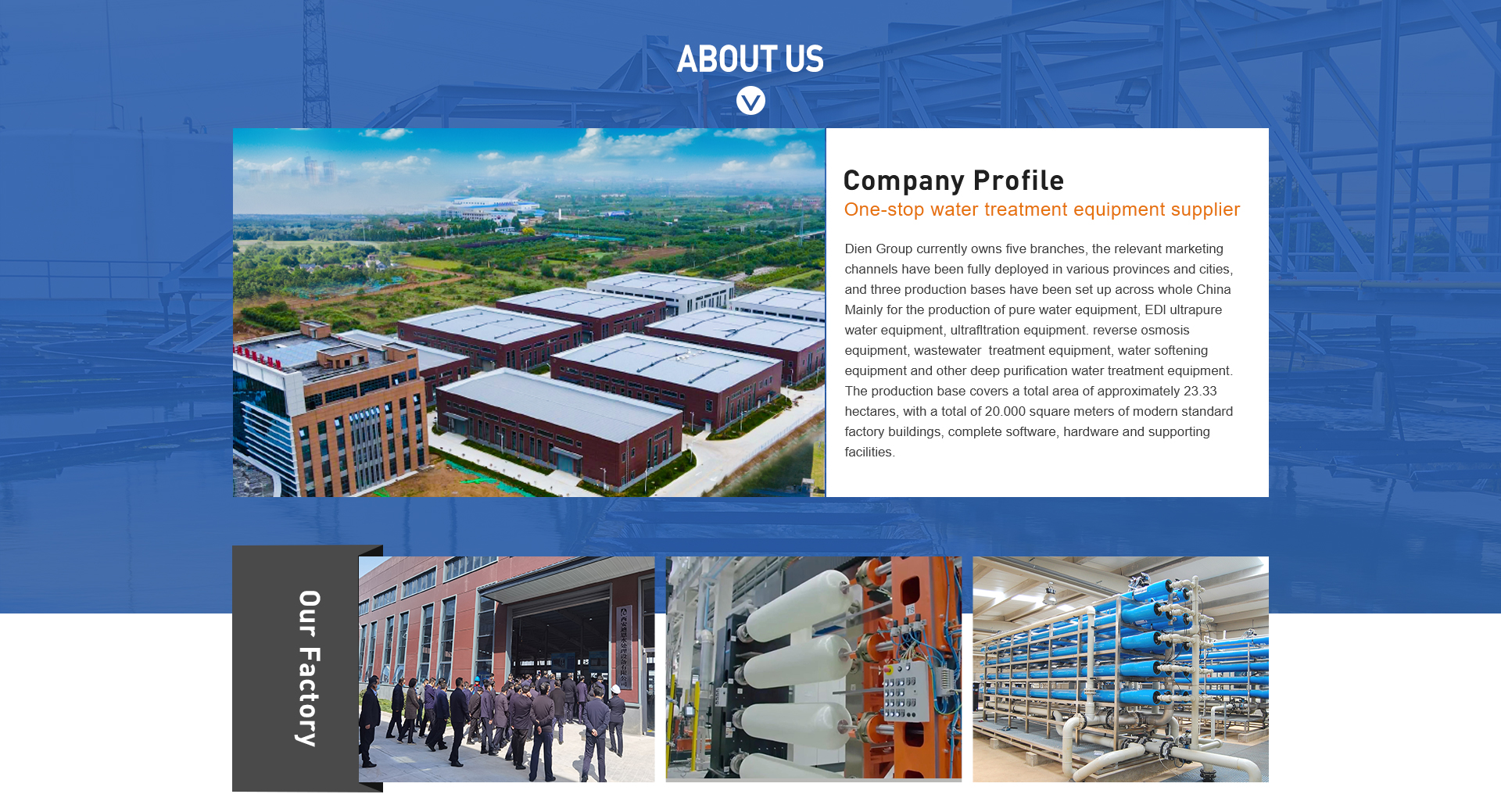
Stainless steel tank
Hygienic & High-Strength Storage Solution
Product Overview
Stainless Steel Tanks are widely used in water treatment, food & beverage, pharmaceutical, and industrial process systems for water storage, filtration, and pressure applications.
Manufactured from high-quality stainless steel materials (SS304 / SS316 / SS316L), these tanks offer excellent corrosion resistance, high mechanical strength, and superior hygiene performance.
They are ideal for applications requiring strict water quality standards and long-term durability.
Product Structure & Working Principle
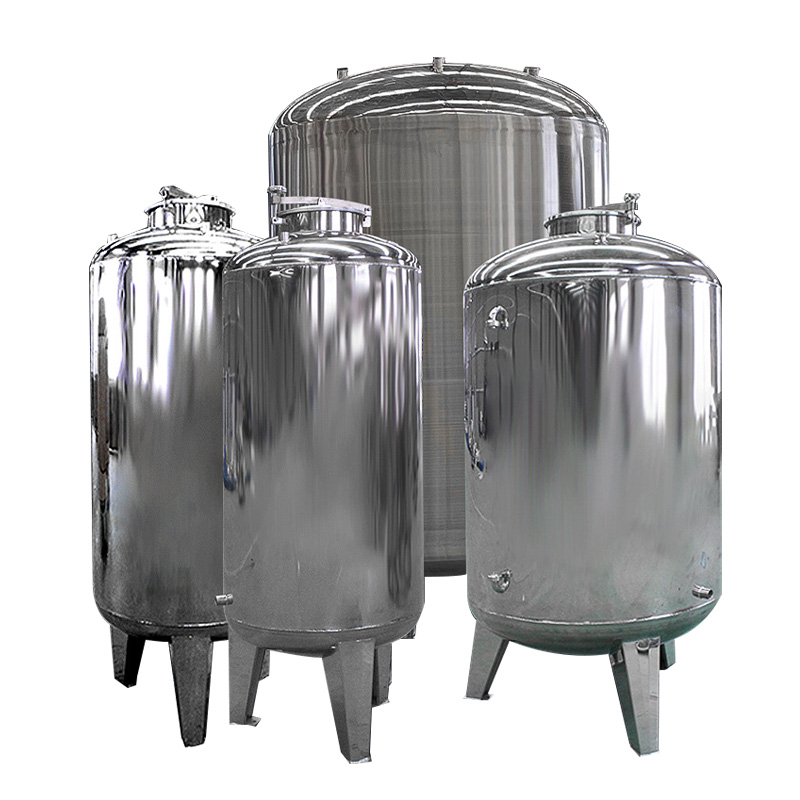
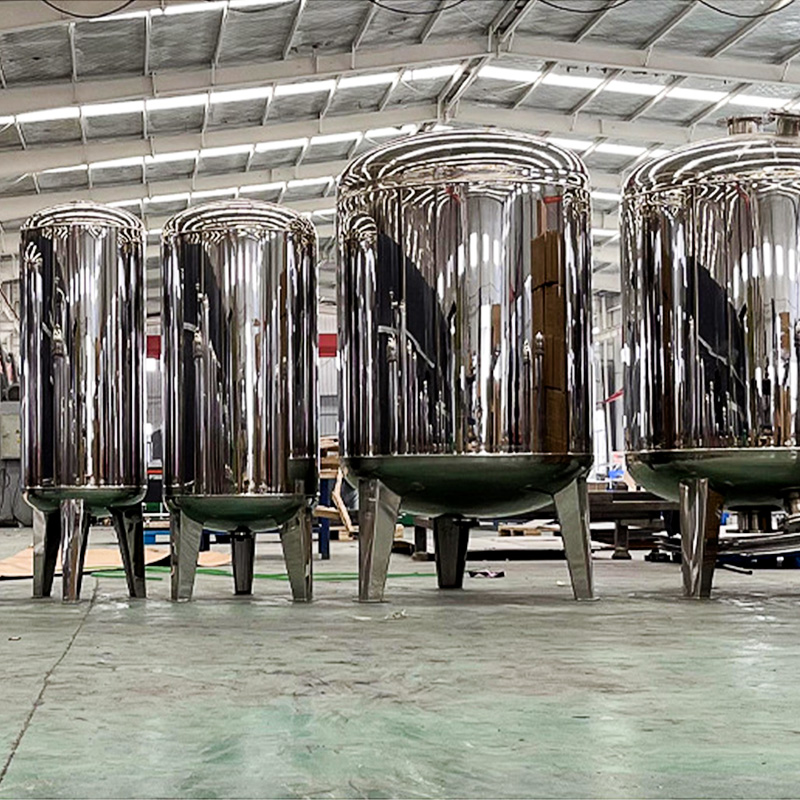
Stainless steel tanks are fabricated using precision welding and surface polishing technology:
-
Tank body made of SS304 / SS316 / SS316L
-
Smooth inner surface reduces scaling and bacterial growth
-
Strong structure suitable for pressure and non-pressure applications
-
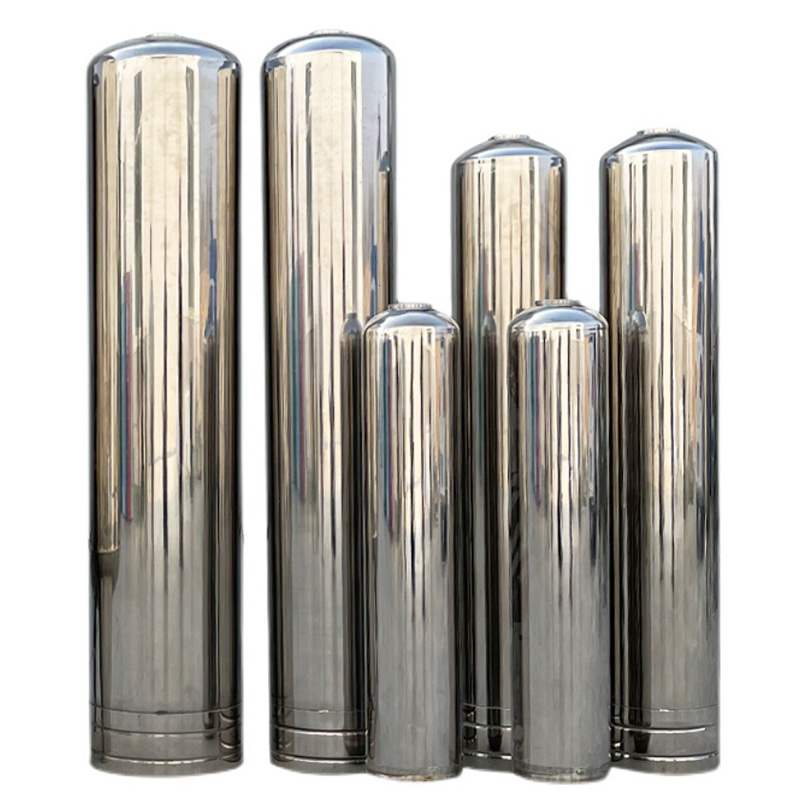
Can be used as filter tanks, pressure vessels, or storage tanks
Key Features & Advantages
-
High corrosion resistance
-
Excellent hygienic performance
-
High pressure tolerance
-
Long service life
-
Easy cleaning and maintenance
-
Strong and durable structure
-
Suitable for high-temperature operation
Typical Applications
-
Activated carbon filter tanks
-
Pure water & ultrapure water storage
-
Food, beverage & pharmaceutical processing