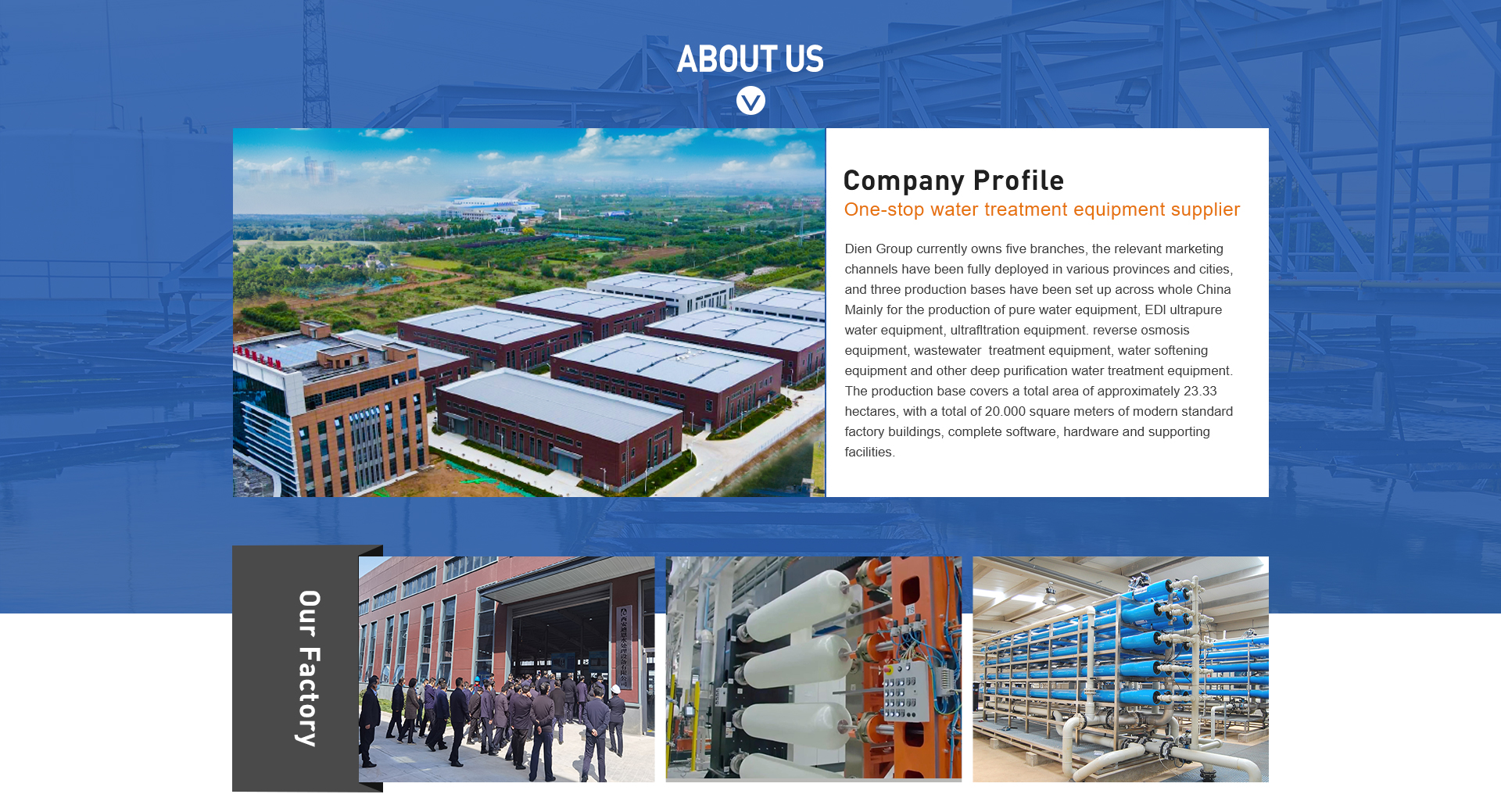
Reverse osmosis membrane
High-Performance Membrane for Water Purification
Product Overview
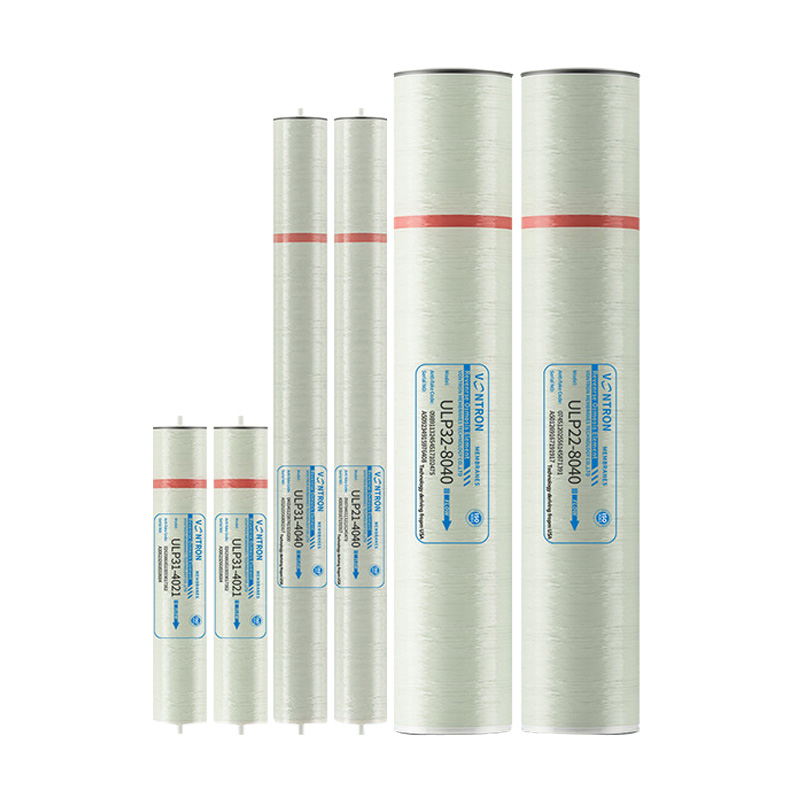
Reverse Osmosis (RO) Membranes are the core components of reverse osmosis water treatment systems, designed to effectively remove dissolved salts, heavy metals, bacteria, viruses, colloids, and organic matter from water.
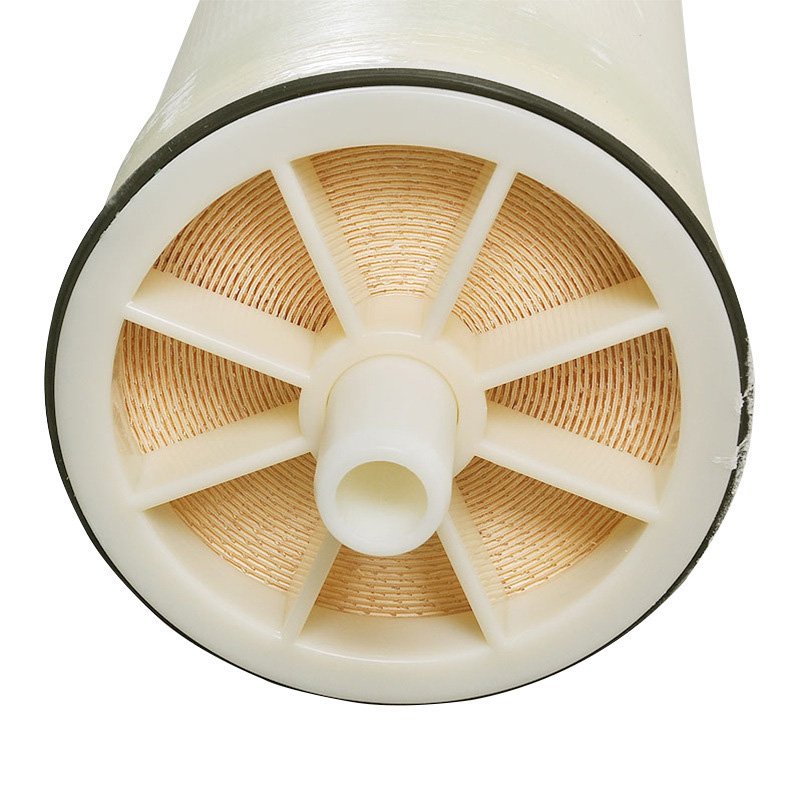
Using advanced thin-film composite (TFC) membrane technology, RO membranes deliver high salt rejection, stable performance, and long service life.
They are widely used in industrial pure water production, seawater desalination, brackish water treatment, wastewater reuse, and ultrapure water systems.
Working Principle
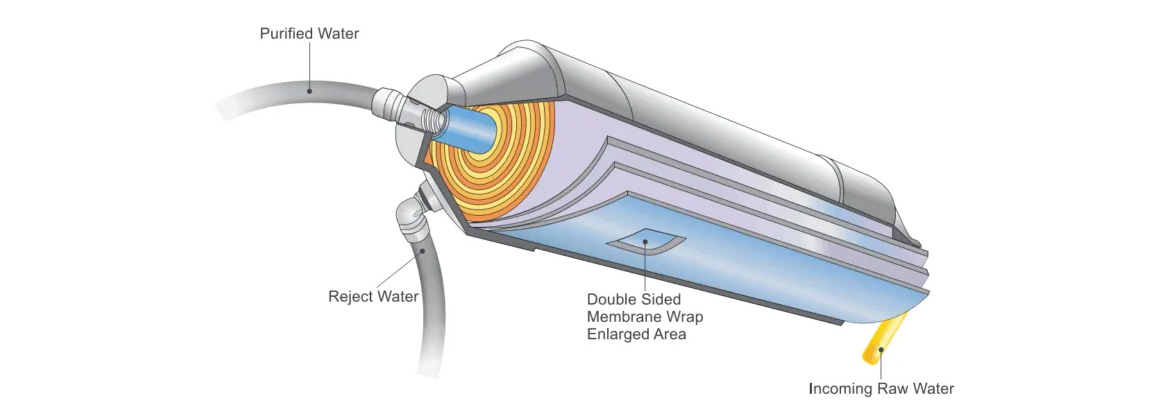
Reverse osmosis membranes operate based on pressure-driven membrane separation:
-
Pressure is applied to feed water to overcome osmotic pressure
-
Water molecules pass through the semi-permeable membrane
-
Dissolved salts and impurities are rejected and discharged as concentrate
RO membranes typically remove up to 99.7% of dissolved salts, ensuring high-quality permeate water.
Key Features & Advantages
-
High salt rejection rate
-
Excellent chemical and mechanical stability
-
Stable permeate water quality
-
Low energy consumption
-
Long membrane lifespan
-
Compatible with standard RO housings
-
Suitable for continuous operation
Membrane Types
-
Brackish Water RO (BWRO) Membrane
-
Seawater RO (SWRO) Membrane
-
Low-Pressure RO Membrane
-
High-Rejection RO Membrane
-
Anti-Fouling RO Membrane
Application Fields
-
Industrial pure water systems
-
Seawater and brackish water desalination
-
Boiler feed water treatment
-
Food & beverage processing
-
Pharmaceutical and laboratory water systems
-
Wastewater reuse and recycling