Control Valve
Automatic Flow & Filtration Control Solution
Product Overview
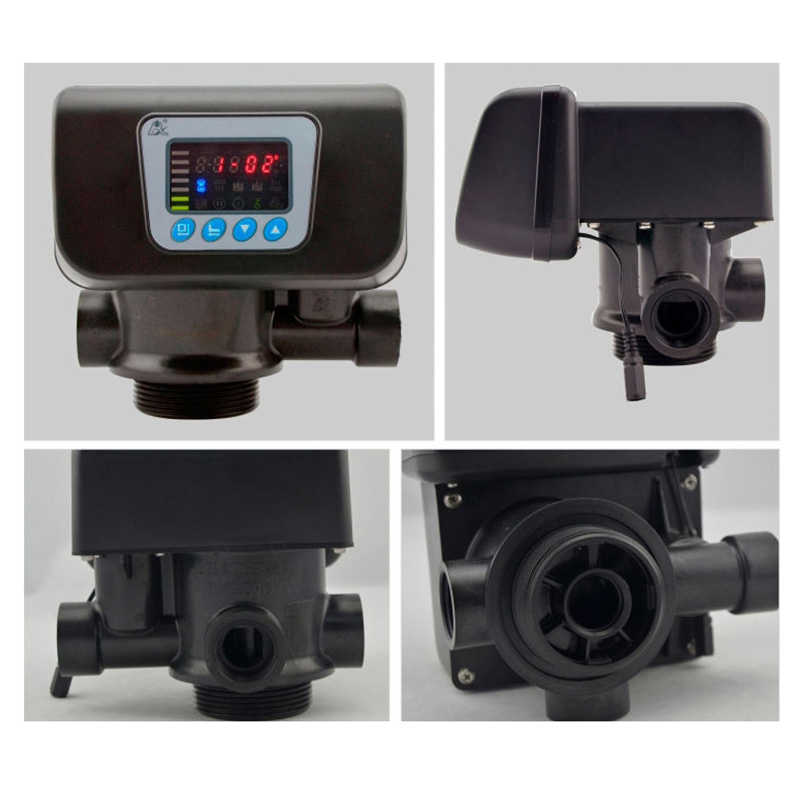
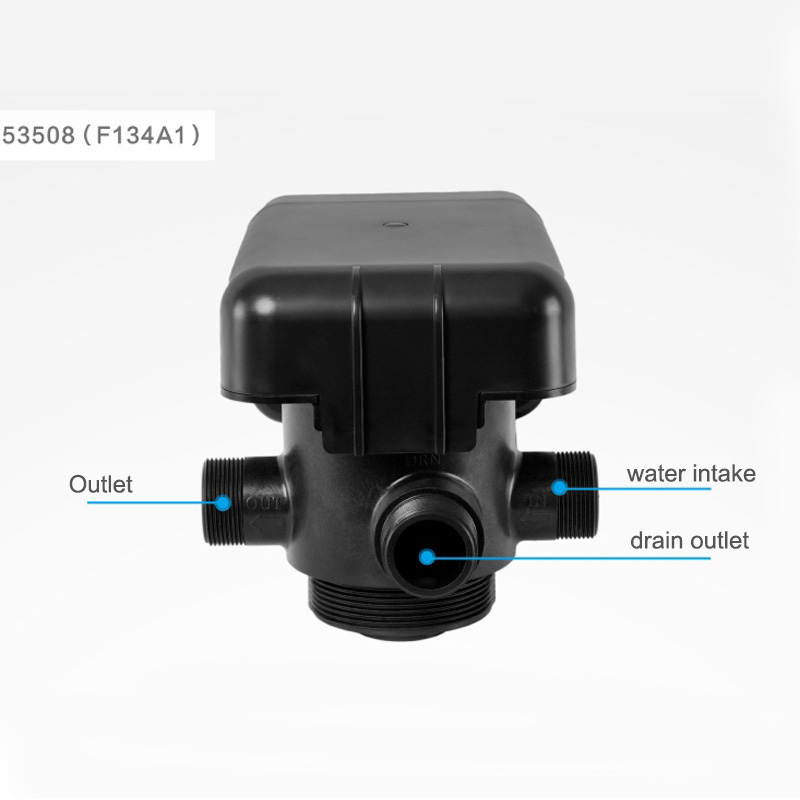
Control Valves are essential components in water treatment and filtration systems, designed to automatically control filtration, backwash, regeneration, and rinsing processes.
They are widely used in multimedia filters, activated carbon filters, water softeners, and RO pretreatment systems, ensuring stable operation and reduced manual intervention.
Control valves can be operated manually, electrically, or automatically, depending on system requirements.
Working Principle
Control valves regulate water flow through preset operating programs:
-
Normal filtration mode
-
Backwash and rinse cycles
-
Regeneration process (for softeners)
-
Automatic switching based on time or flow volume
They ensure correct flow direction and timing to maintain optimal filter performance.
Features
Easy Installation: The clamp-locking mechanism eliminates the need for individually tightening bolts like with flanged membrane housings, making assembly and disassembly faster and significantly improving installation and maintenance efficiency.
Good Sealing: Sealing rings, such as silicone O-rings, are typically installed between the clamp and the membrane housing and end caps to effectively prevent water leakage and ensure the sealing performance of the membrane housing. Designs such as flow equalizers on the end caps also help improve sealing and water flow uniformity.
Strong Pressure Resistance: The pressure resistance of clamp-type membrane housings varies depending on the material and manufacturing process, but they can generally withstand pressures of 2.0-2.5 MPa. Membrane housings made from seamless stainless steel tubing offer even higher pressure resistance, meeting the pressure requirements of most reverse osmosis water treatment systems.
Easy Maintenance: Easy assembly and disassembly simplifies membrane element replacement, cleaning, and maintenance, reducing maintenance time and costs.
Application Fields
-
Multimedia filtration systems
-
Industrial water treatment
-
Commercial water purification
Valve Types
-
Filter control valve
-
Softener control valve
-
Single valve single tank
-
Single valve double tank
-
Twin valve double tank
Reliable Control Component for Water Treatment
Control valves provide stable automation, precise flow control, and reliable system operation, making them a critical component in modern water treatment systems.