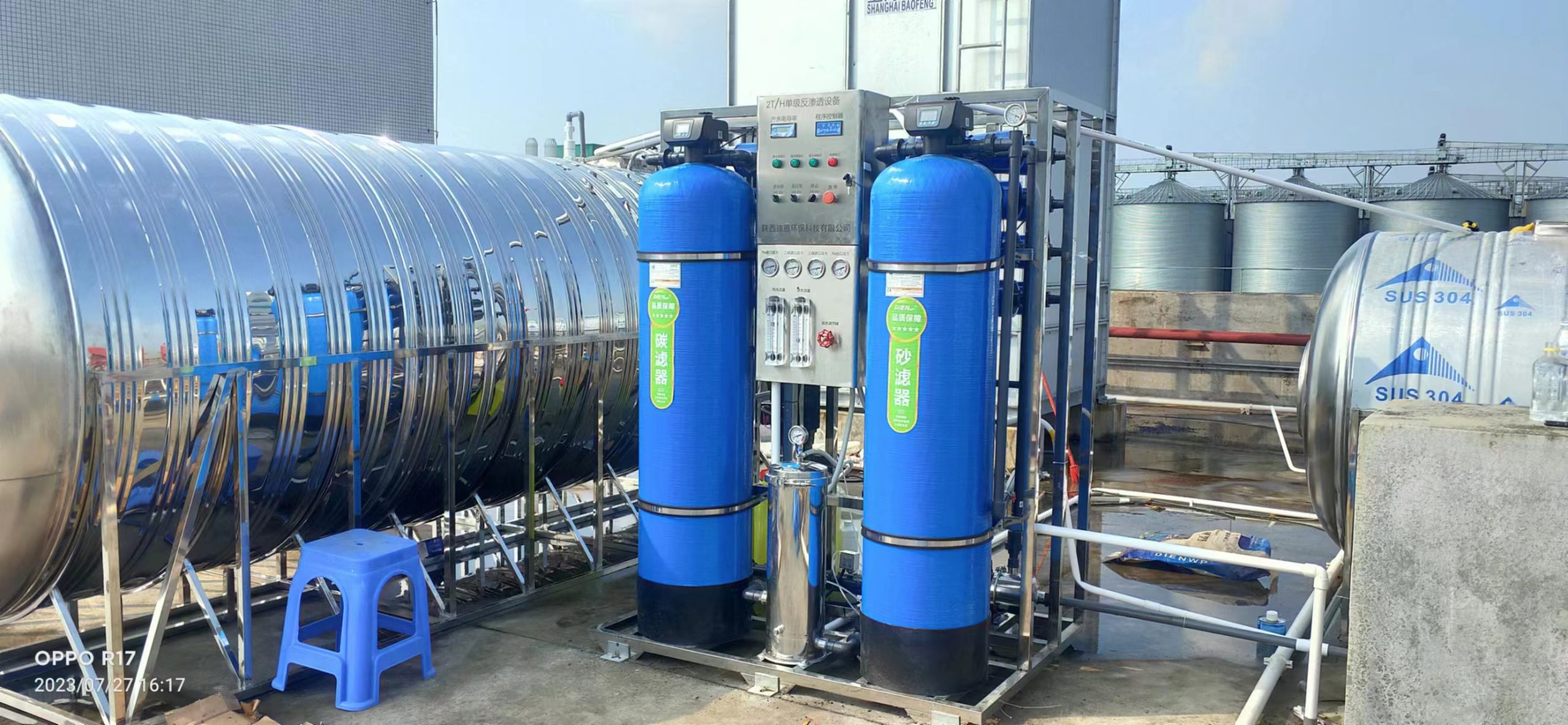
102.Residential water treatment filter for iron removal
2026年3月3日104.Water filtration systems for high hardness water
2026年3月3日103.Pre-treatment for industrial water systems
Pre‑Treatment for Industrial Water Systems
Pre‑treatment is a critical first step in any industrial water system. Before water enters high‑precision equipment or advanced treatment units (like reverse osmosis, boilers, or cooling towers), pre‑treatment protects valuable assets, ensures stable operation, and reduces operating costs.
What Is Pre‑Treatment in Industrial Water Systems?
Pre‑treatment refers to the processes used to remove contaminants and adjust water quality before the main treatment stage. It prepares raw water so that downstream equipment performs efficiently and lasts longer.
Common contaminants addressed in pre‑treatment include:
-
Sediment and suspended solids
-
Turbidity
-
Chlorine and oxidants
-
Iron and manganese
-
Organic matter
-
Hardness minerals
Why Industrial Pre‑Treatment Is Essential
Industrial processes demand consistent, high‑quality water. Without proper pre‑treatment, facilities can experience:
✔ Clogging of membranes and filters
✔ Scale buildup in boilers and heat exchangers
✔ Corrosion of piping and equipment
✔ Reduced efficiency and higher energy costs
✔ Frequent maintenance and unscheduled downtime
Pre‑treatment safeguards systems, reduces risk, and ensures operational continuity.
Key Pre‑Treatment Technologies
Here are the most commonly used pre‑treatment solutions in industrial water systems:
1. Sediment Filtration
Removes sand, silt, and particulate matter to protect downstream components.
Typical solutions: cartridge filters, multimedia filters.
2. Activated Carbon Filtration
Reduces chlorine, odors, and organic contaminants that can damage membranes.
3. Water Softeners
Removes hardness (calcium and magnesium) to prevent scale in boilers and cooling systems.
4. Oxidation & Media Filtration
Targets iron, manganese, and hydrogen sulfide using oxidizing media.
5. Chemical Dosing
Adjusts pH, adds anti‑scalants, corrosion inhibitors, or disinfectants to meet treatment goals.
Typical Industrial Pre‑Treatment Process
A standard industrial water pre‑treatment train might look like this:
-
Raw water intake
-
Coarse sediment removal
-
Activated carbon filtration
-
Water softening (if required)
-
Fine filtration before RO/boilers
Each stage targets specific contaminants, improving efficiency and reducing load on subsequent systems.
Benefits of Effective Pre‑Treatment
Industrial facilities that implement quality pre‑treatment enjoy:
✔ Longer membrane lifespan
✔ Lower chemical usage
✔ Reduced maintenance and downtime
✔ Better energy efficiency
✔ Consistent water quality
These advantages translate into measurable cost savings and enhanced operational reliability.