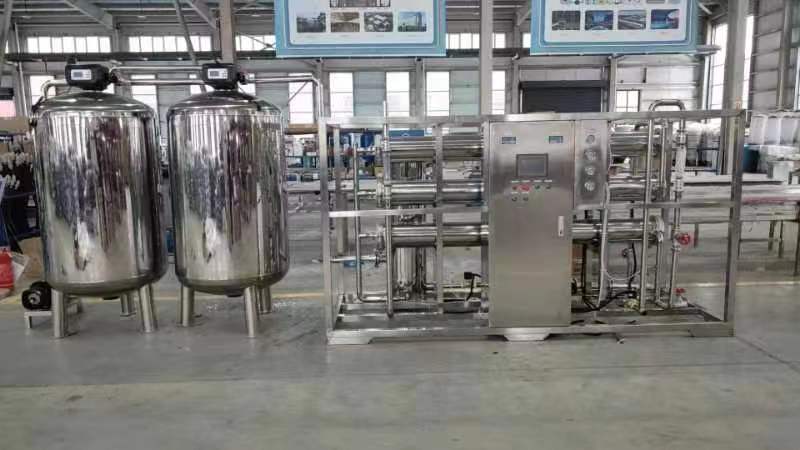
77.Large-scale water filtration for industrial purposes
2026年2月27日79.Water softening pre-filter system for home
2026年2月28日78.Pre-treatment filter for hard water filtration
Pre‑Treatment Filter for Hard Water Filtration
Dealing with hard water is a common challenge for many homes and industrial systems. High levels of calcium, magnesium, and other minerals can lead to scale buildup, reduced equipment efficiency, and increased maintenance costs. A pre‑treatment filter for hard water filtration is designed to soften or condition water before it enters sensitive treatment equipment — protecting plumbing, reducing scale, and improving overall water quality.
What Is a Hard Water Pre‑Treatment Filter?
A pre‑treatment filter for hard water is installed before the main water treatment system. Its purpose is to reduce mineral hardness and remove sediments or contaminants that can interfere with downstream filtration or purification processes. Pre‑treatment protects primary filters, membranes, and water‑using equipment from damage and premature wear.
Common Types of Pre‑Treatment Filters for Hard Water
1. Water Softeners
Water softeners are the most widely used pre‑treatment solution for hard water. They use ion exchange media to replace calcium and magnesium ions with sodium or potassium ions, preventing scale formation.
Benefits: Significantly reduces hardness Protects boilers, heaters, and plumbing Improves soap and detergent performance
2. Sediment Filters
Sediment filters remove large particles such as sand, rust, and dirt that often accompany hard water. By capturing these particles early, they prevent clogging and abrasion in downstream systems.
Best for: Protecting membranes and increasing overall filtration lifespan.
3. Scale Inhibitors
Scale inhibitors don’t remove hardness minerals but prevent them from forming scale on surfaces. These systems are often used where softening isn’t practical.
Benefits: Reduces scale buildup Lower maintenance than traditional softeners
4. Carbon Filters
Activated carbon filters help improve water taste and remove chlorine or organic compounds that can affect downstream processes. When combined with softening, they deliver better overall water quality.