
DIEN WATER GROUP
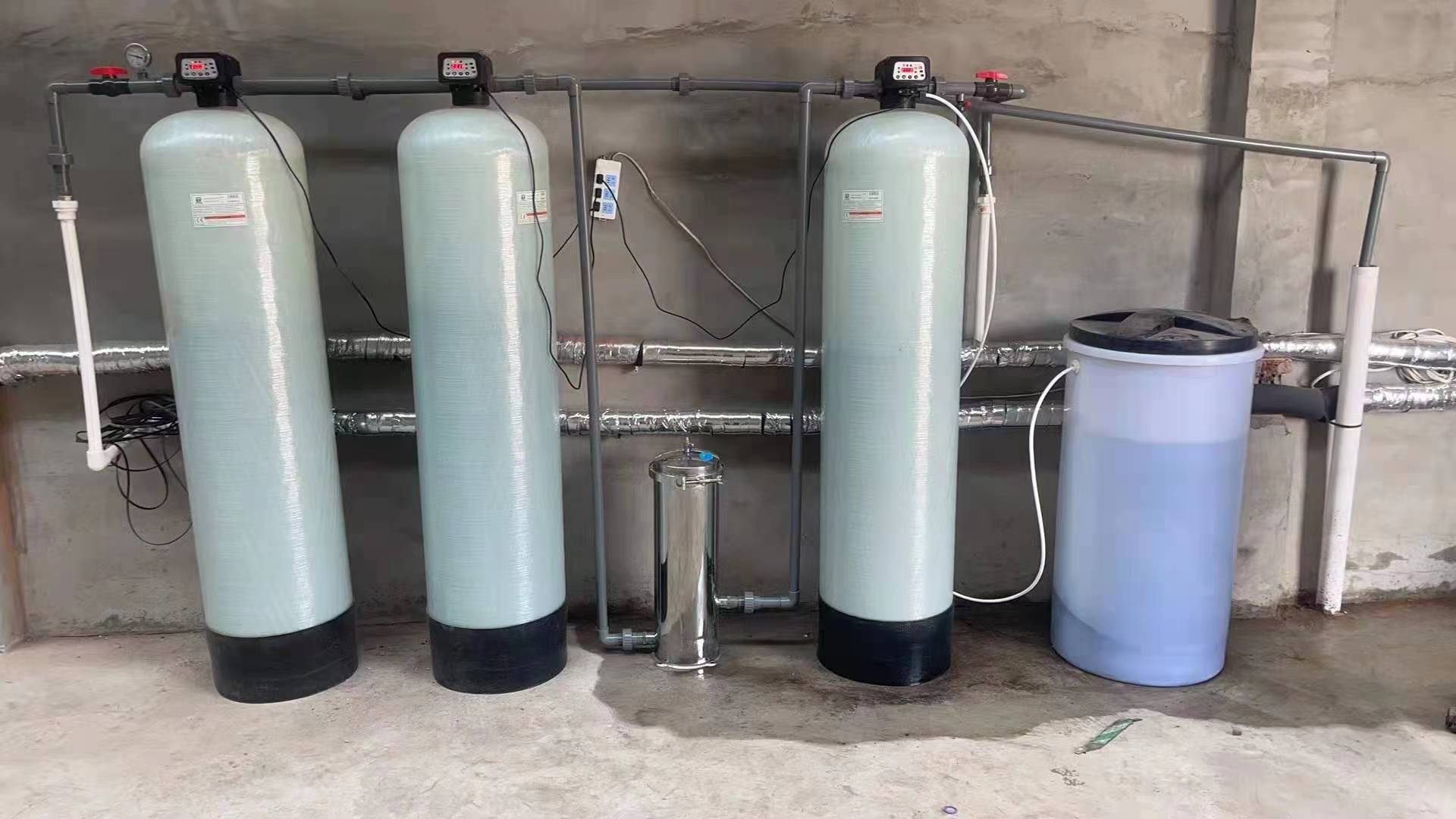
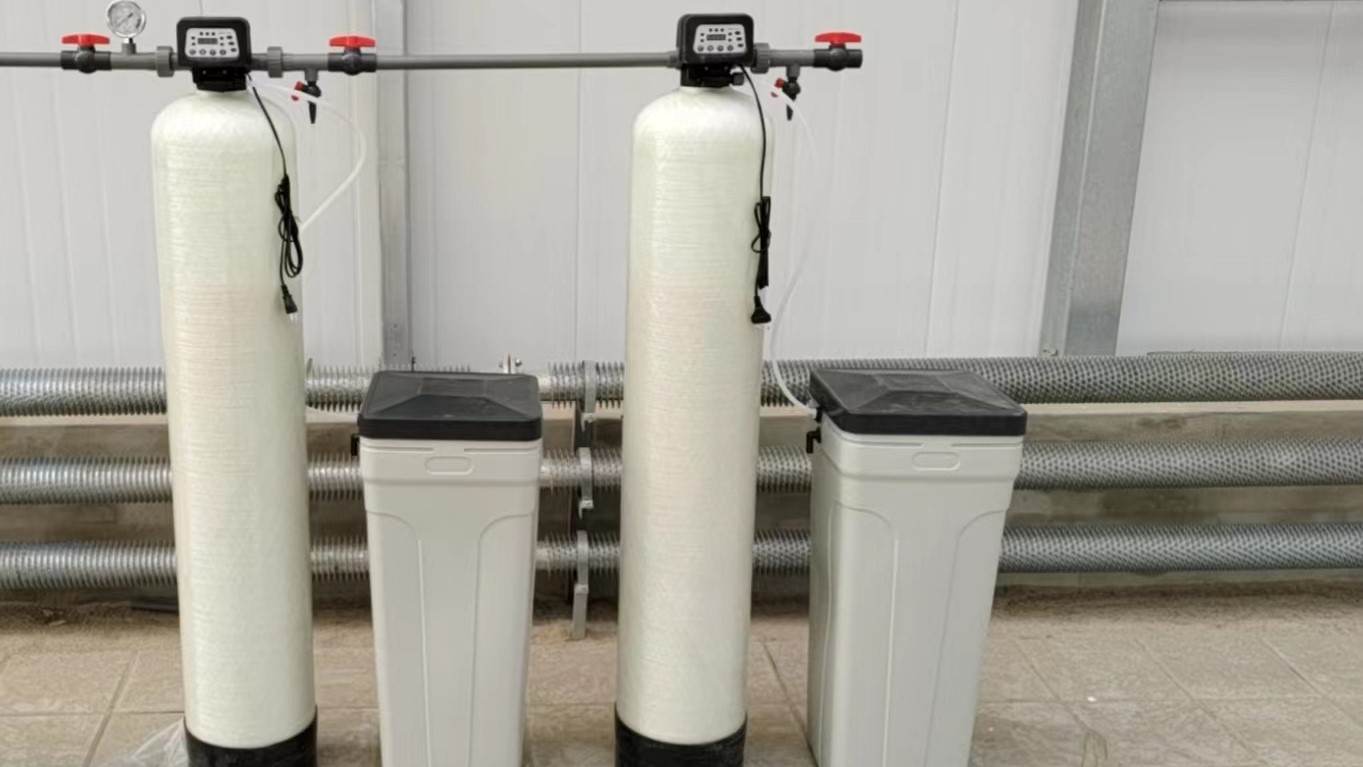
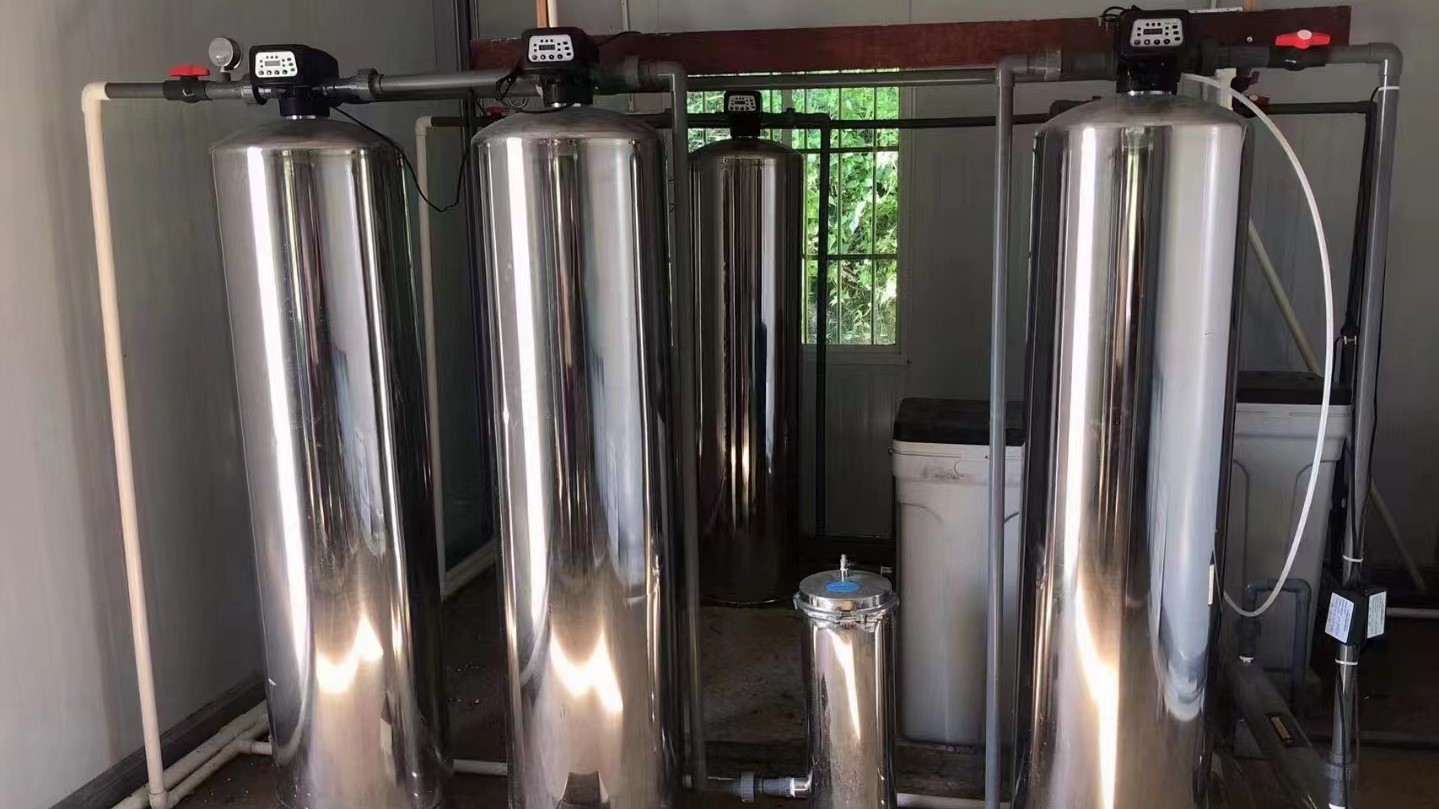
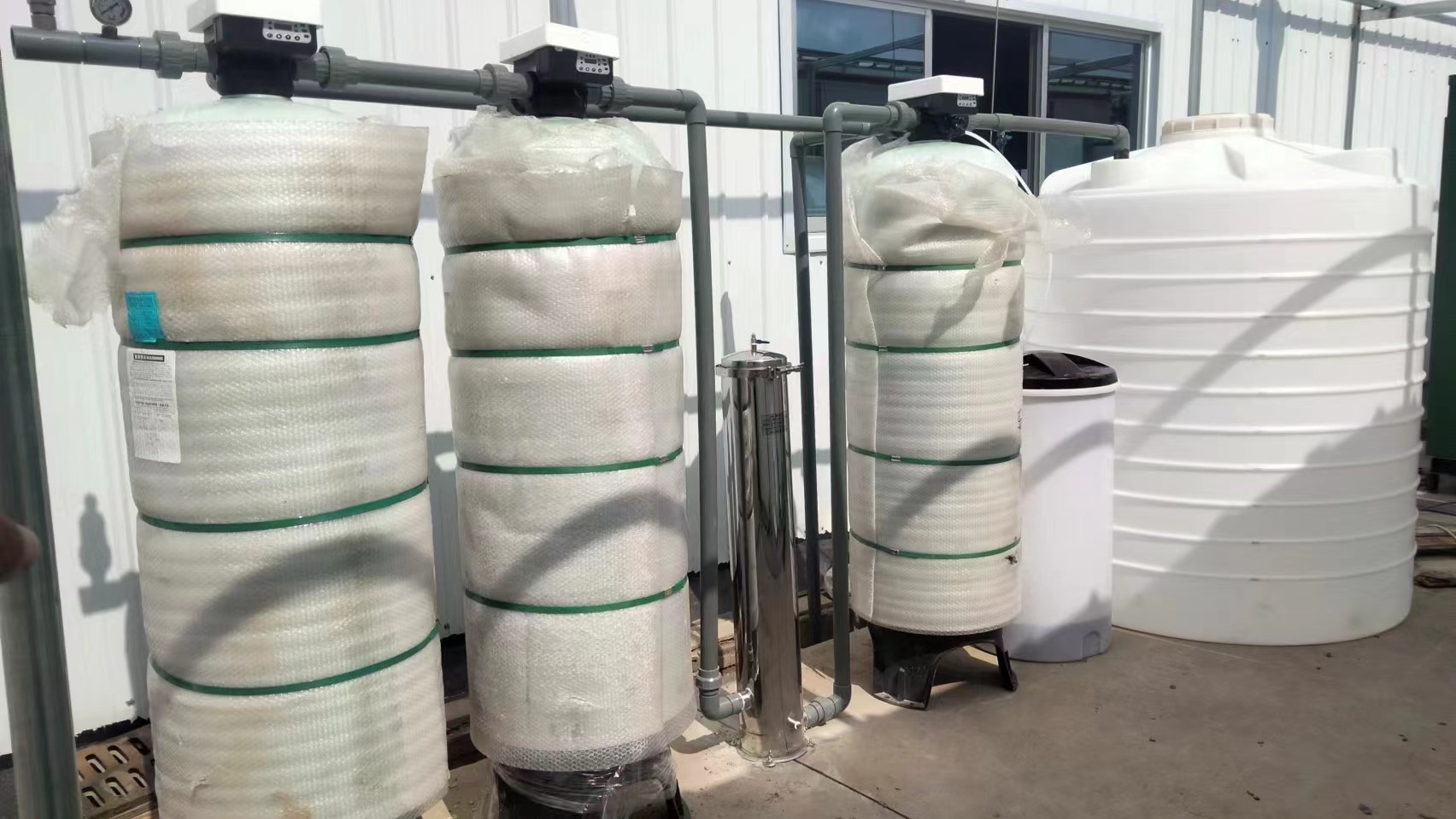
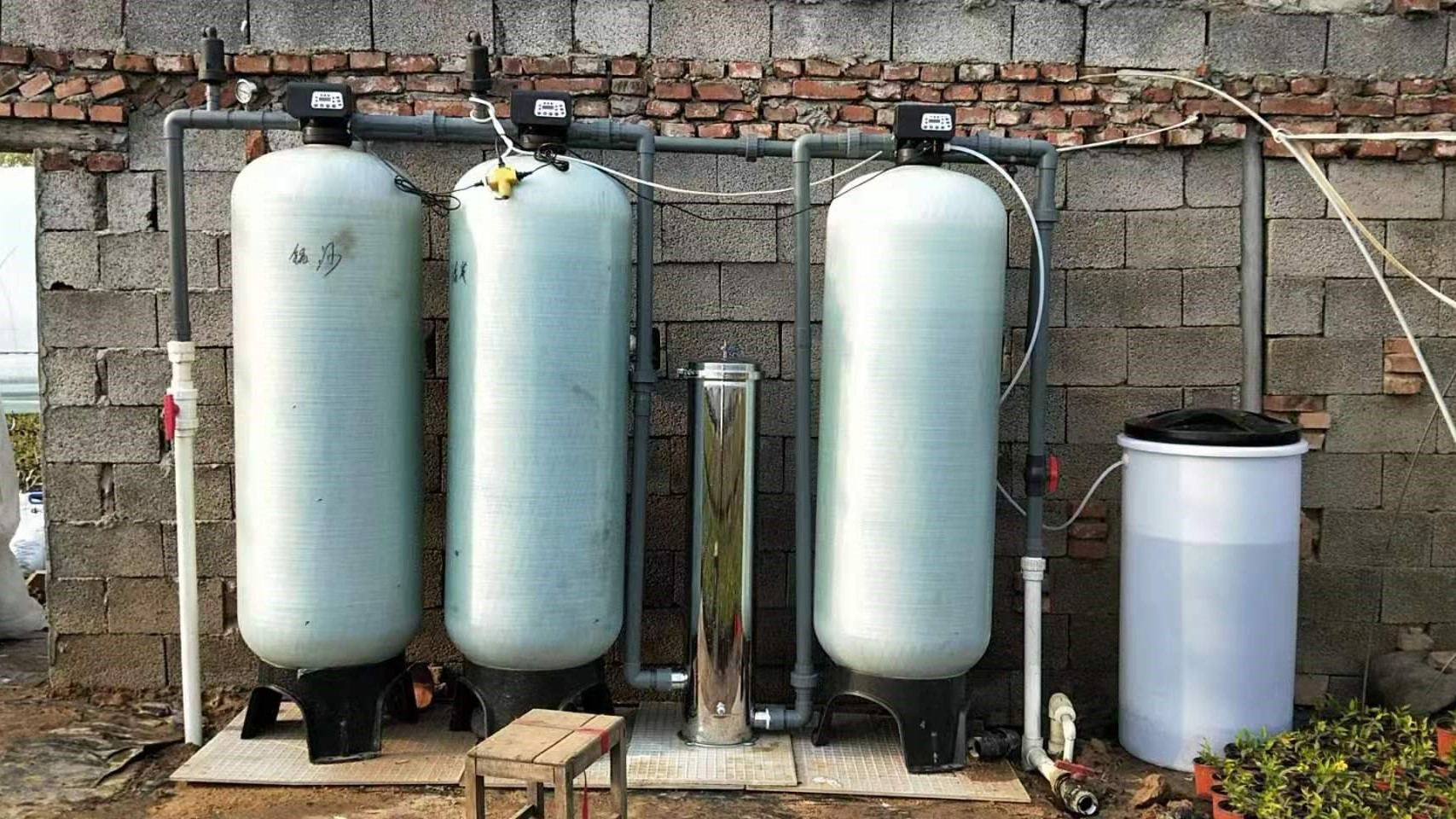
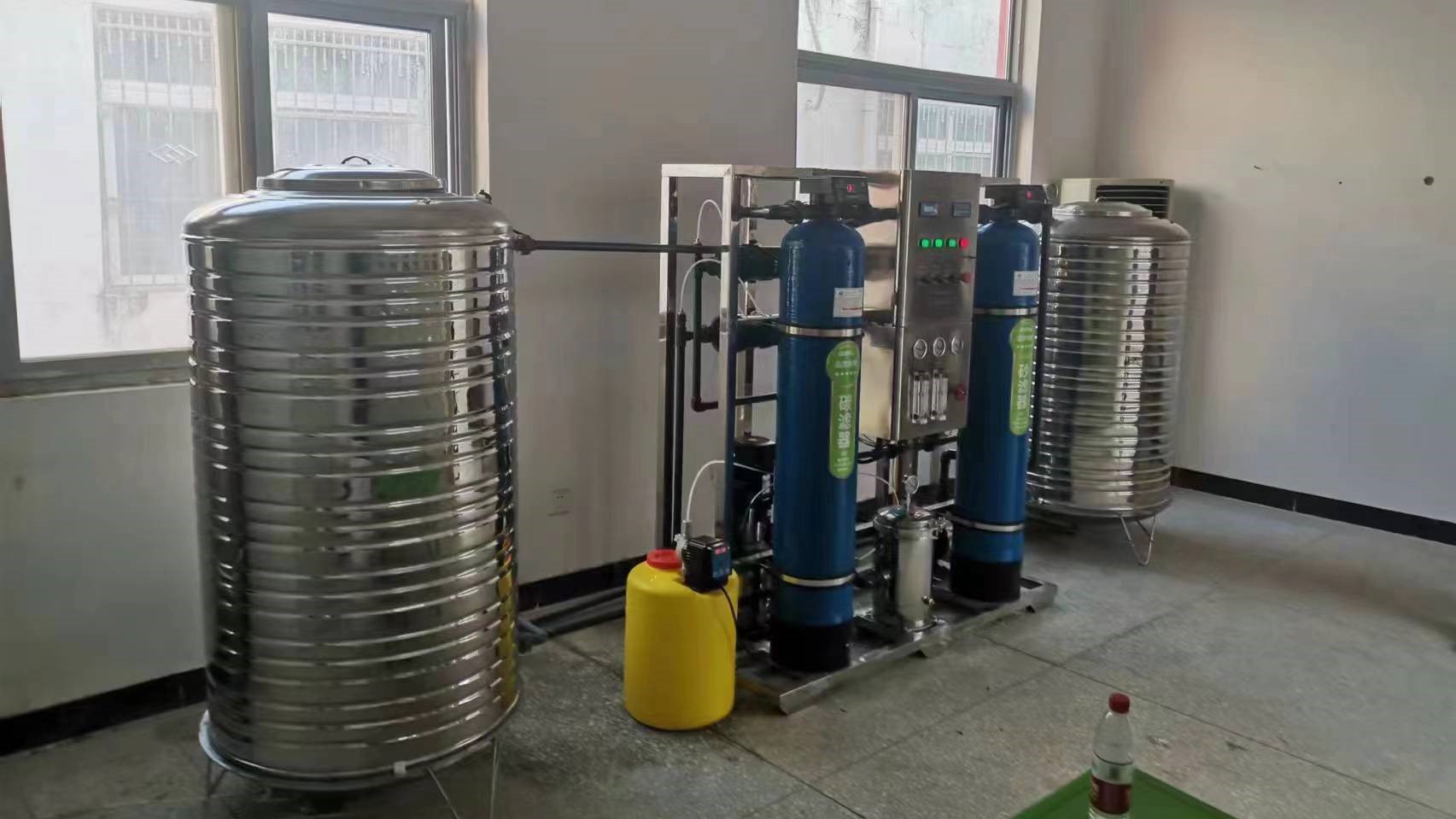
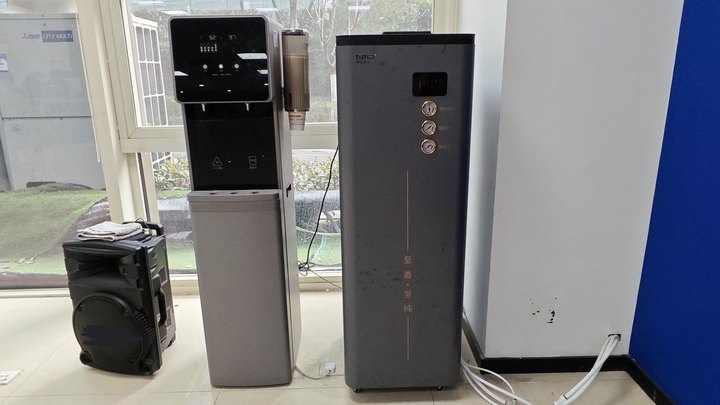
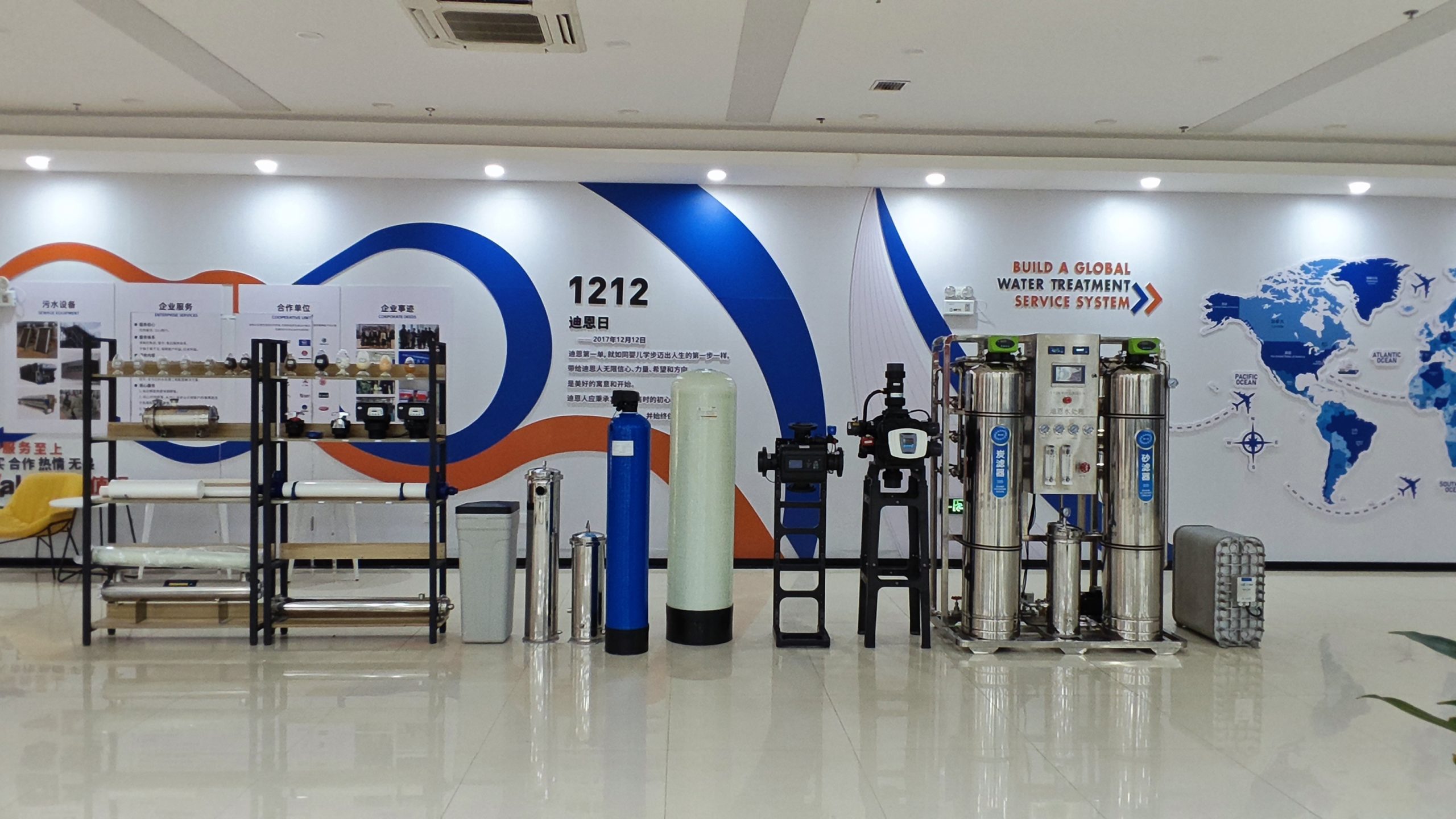
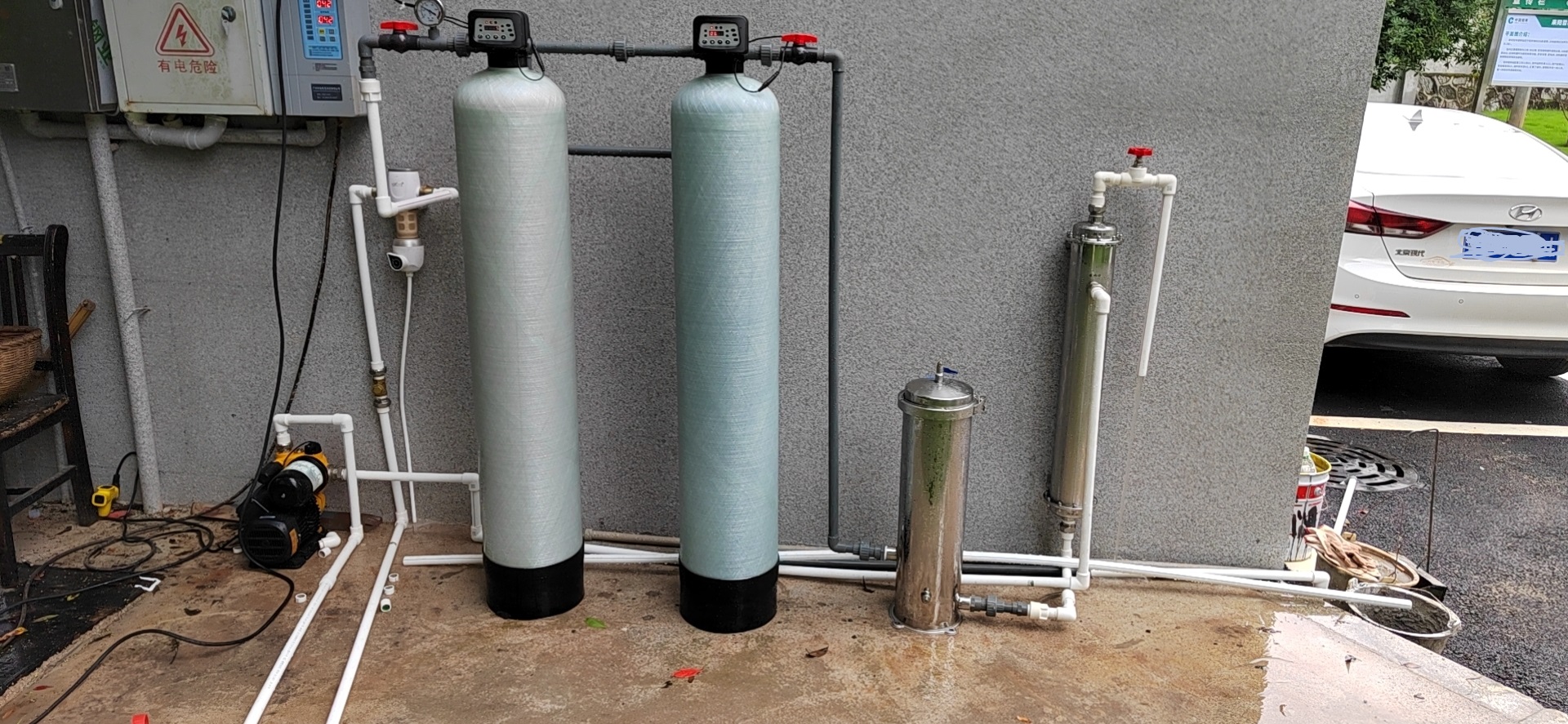
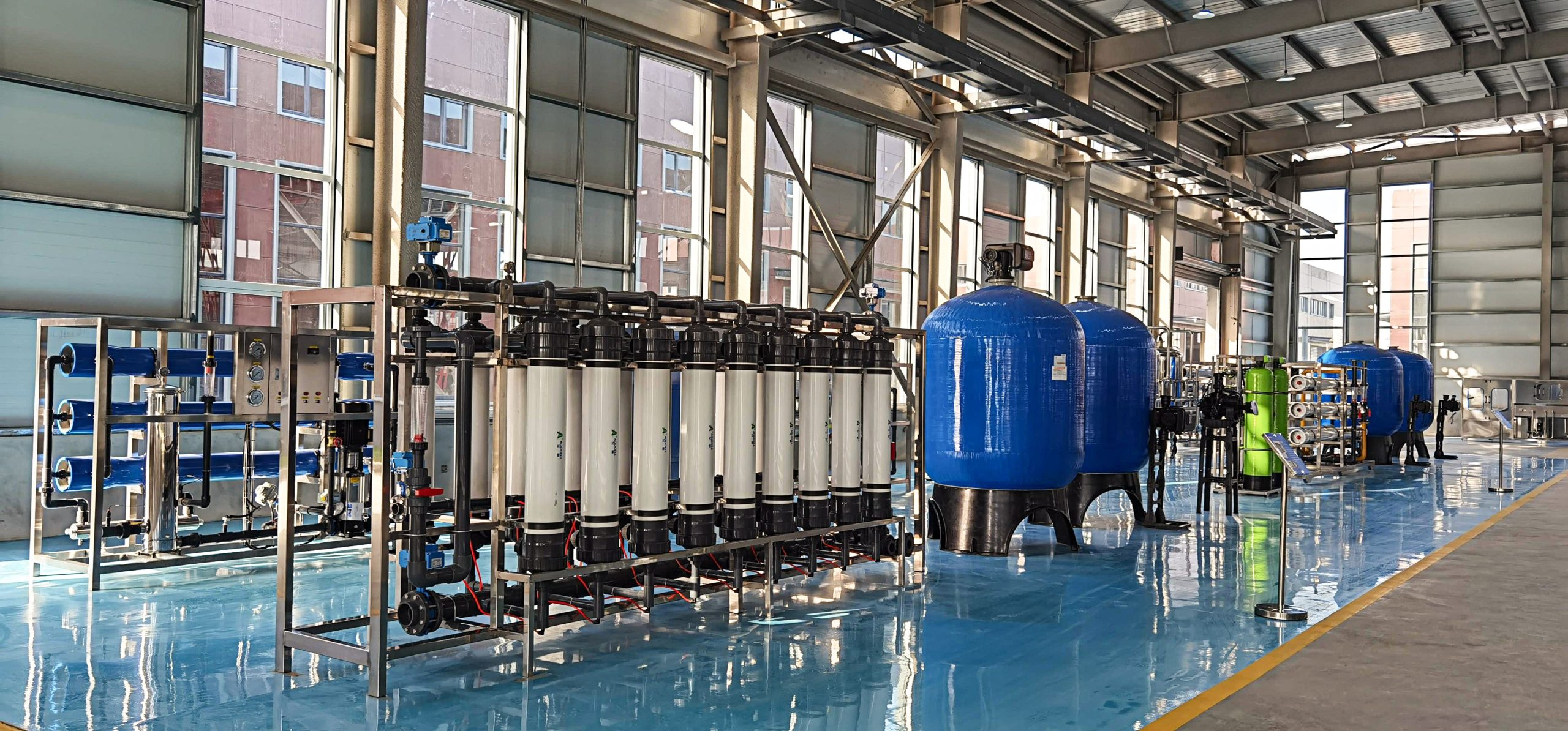
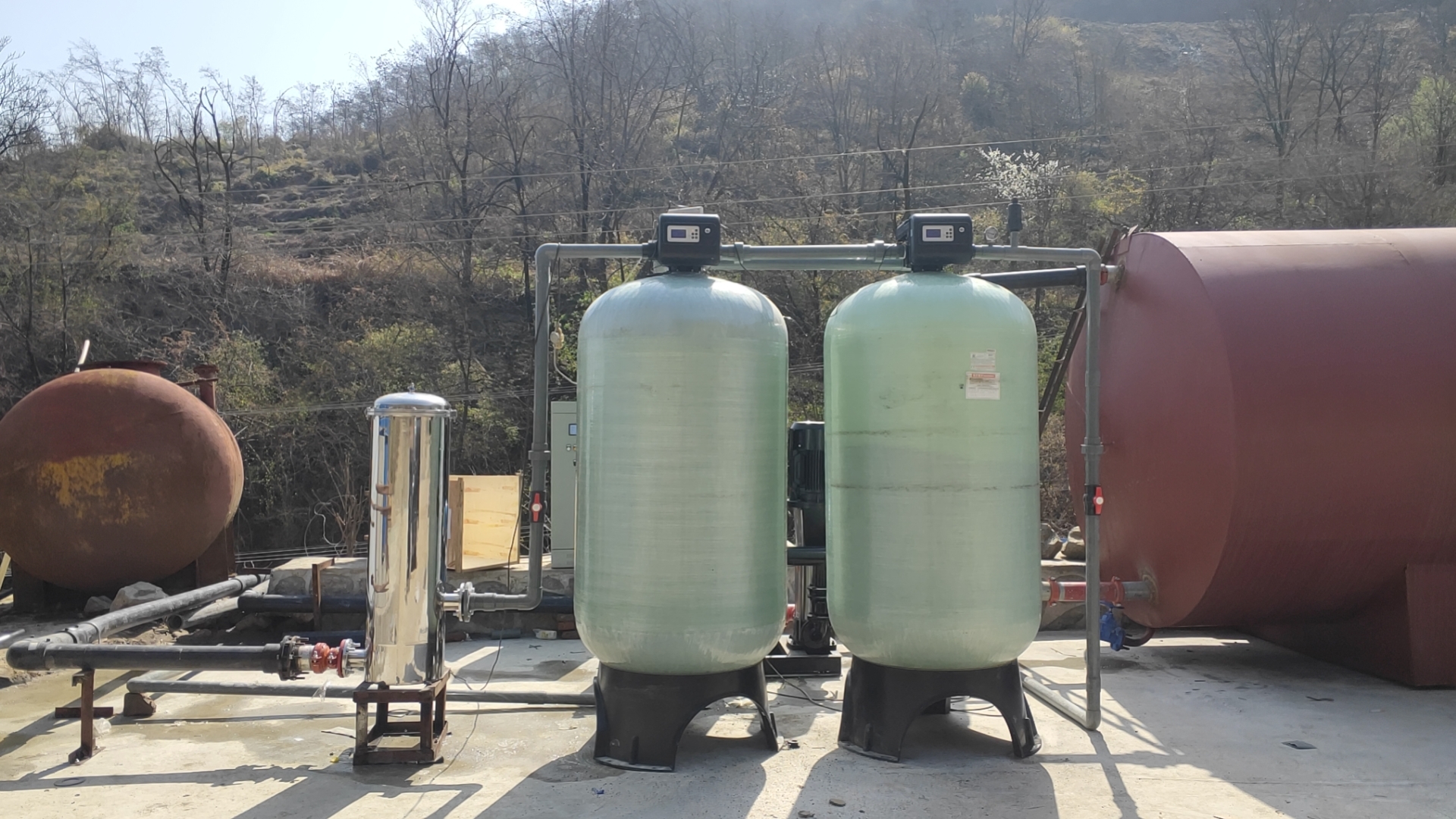
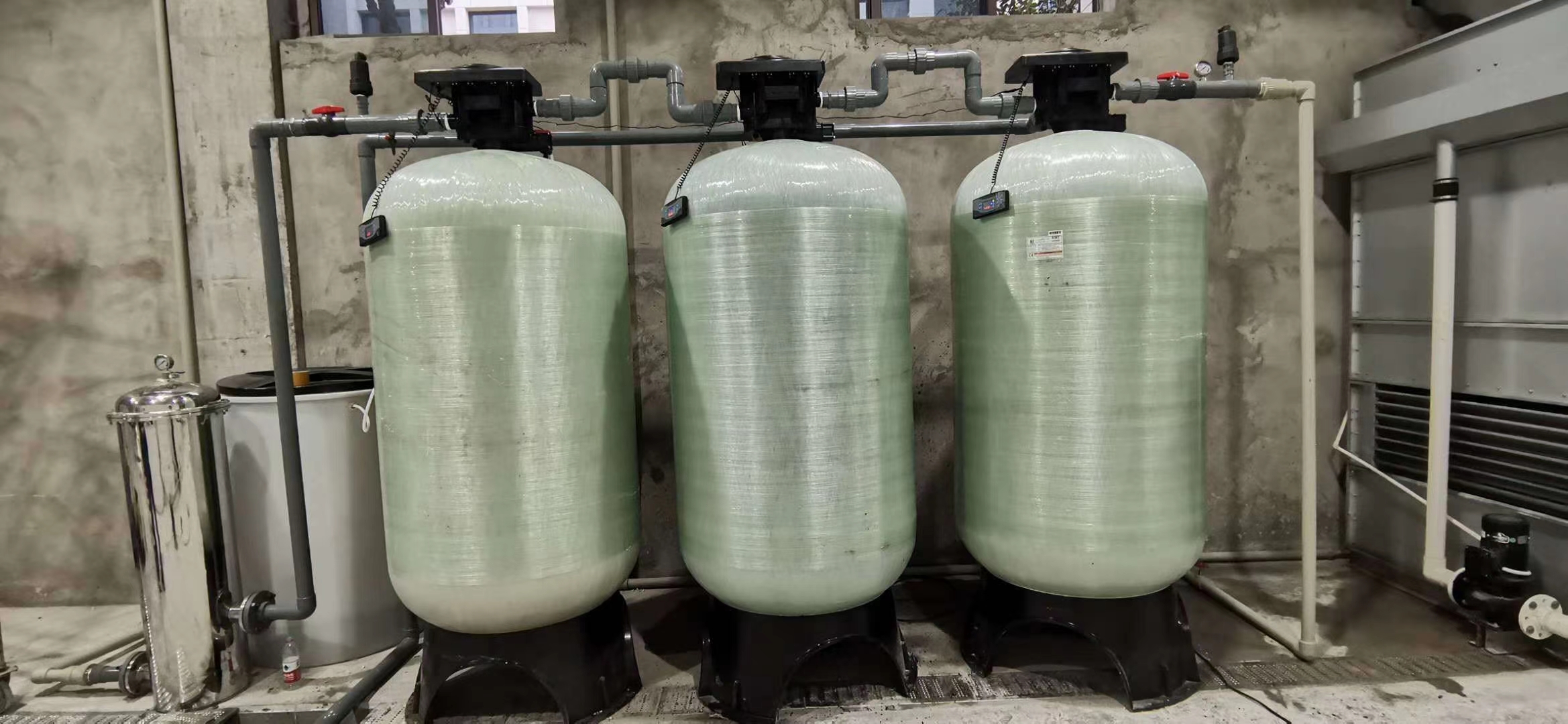
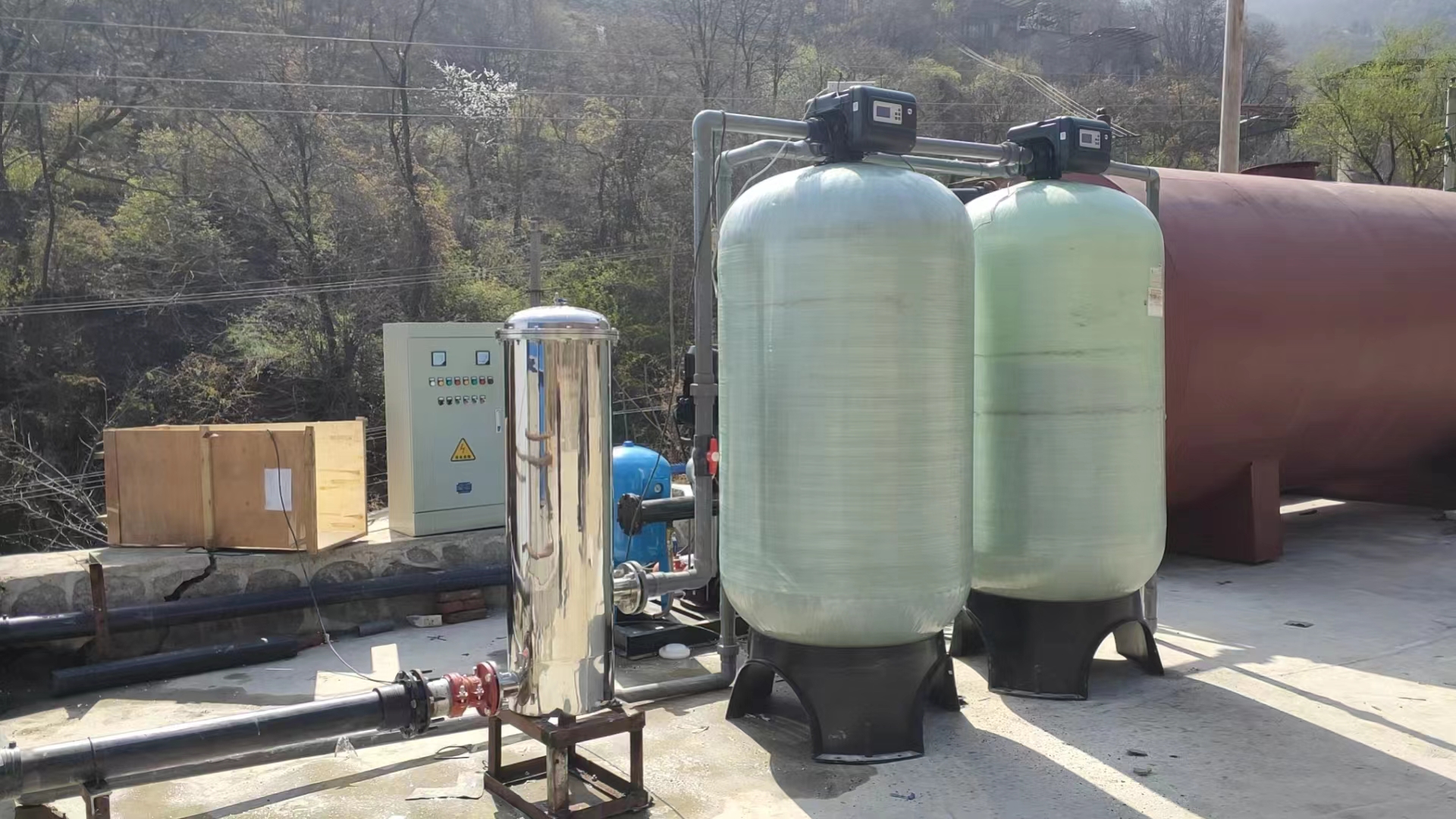
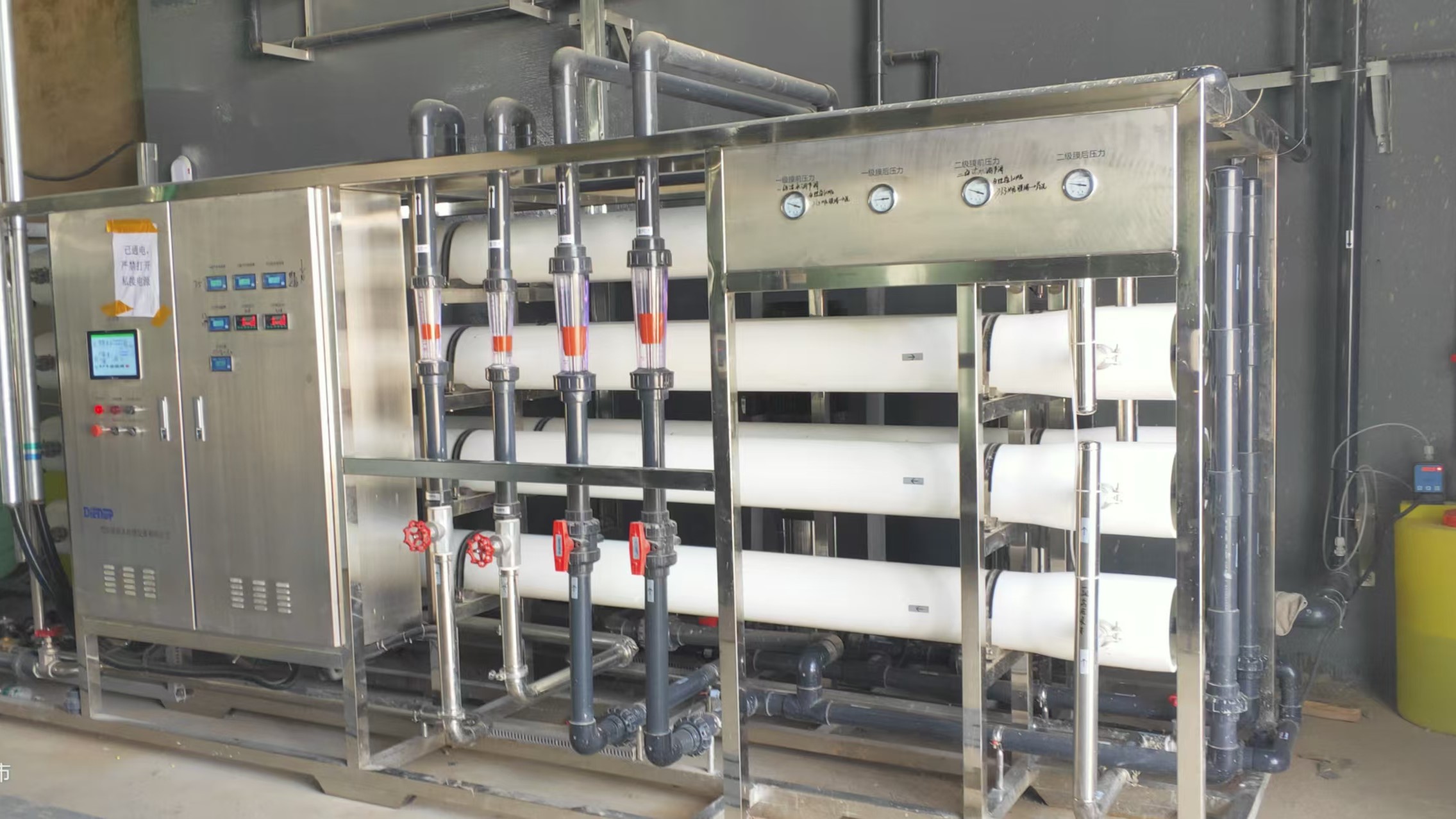
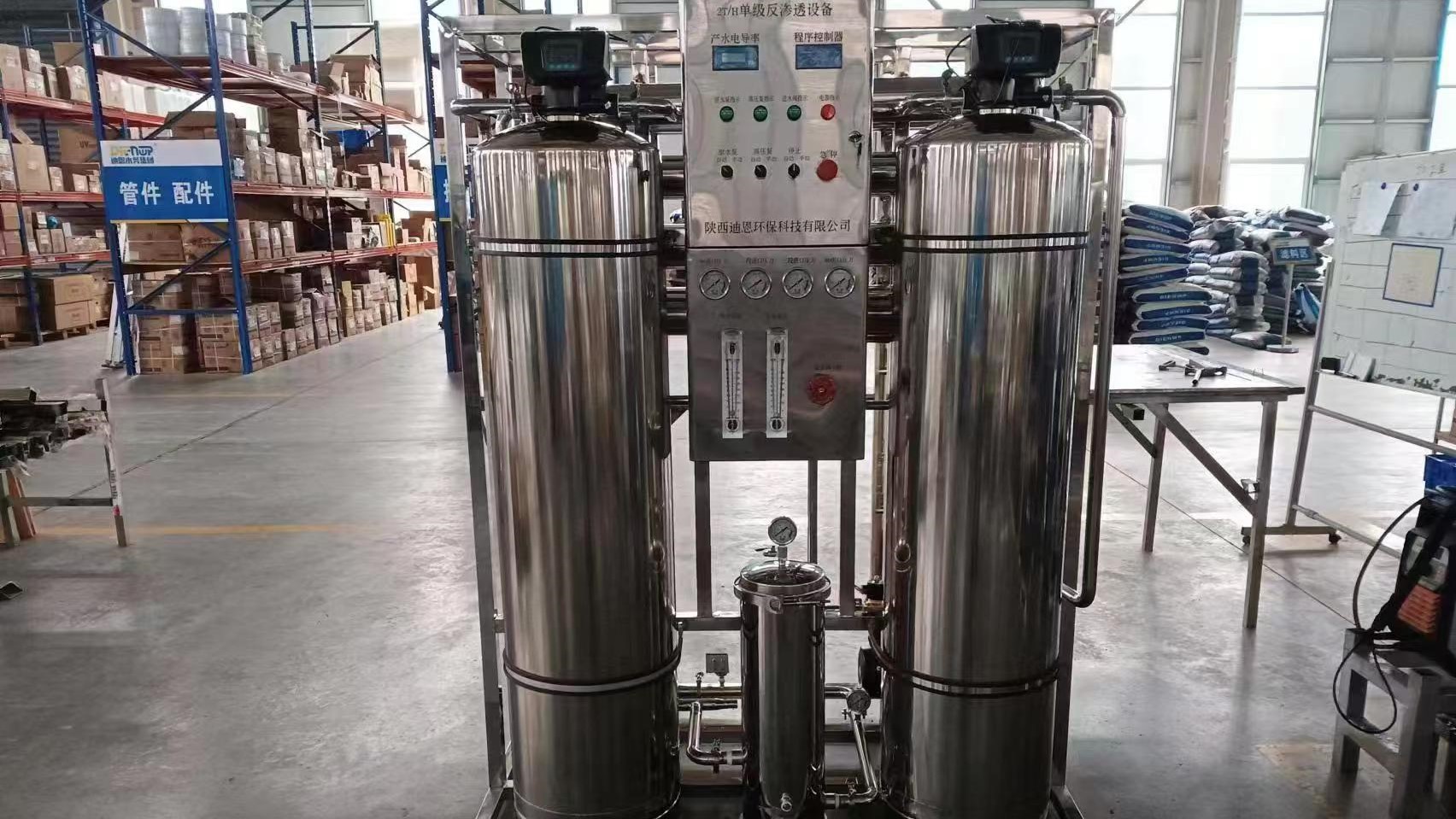
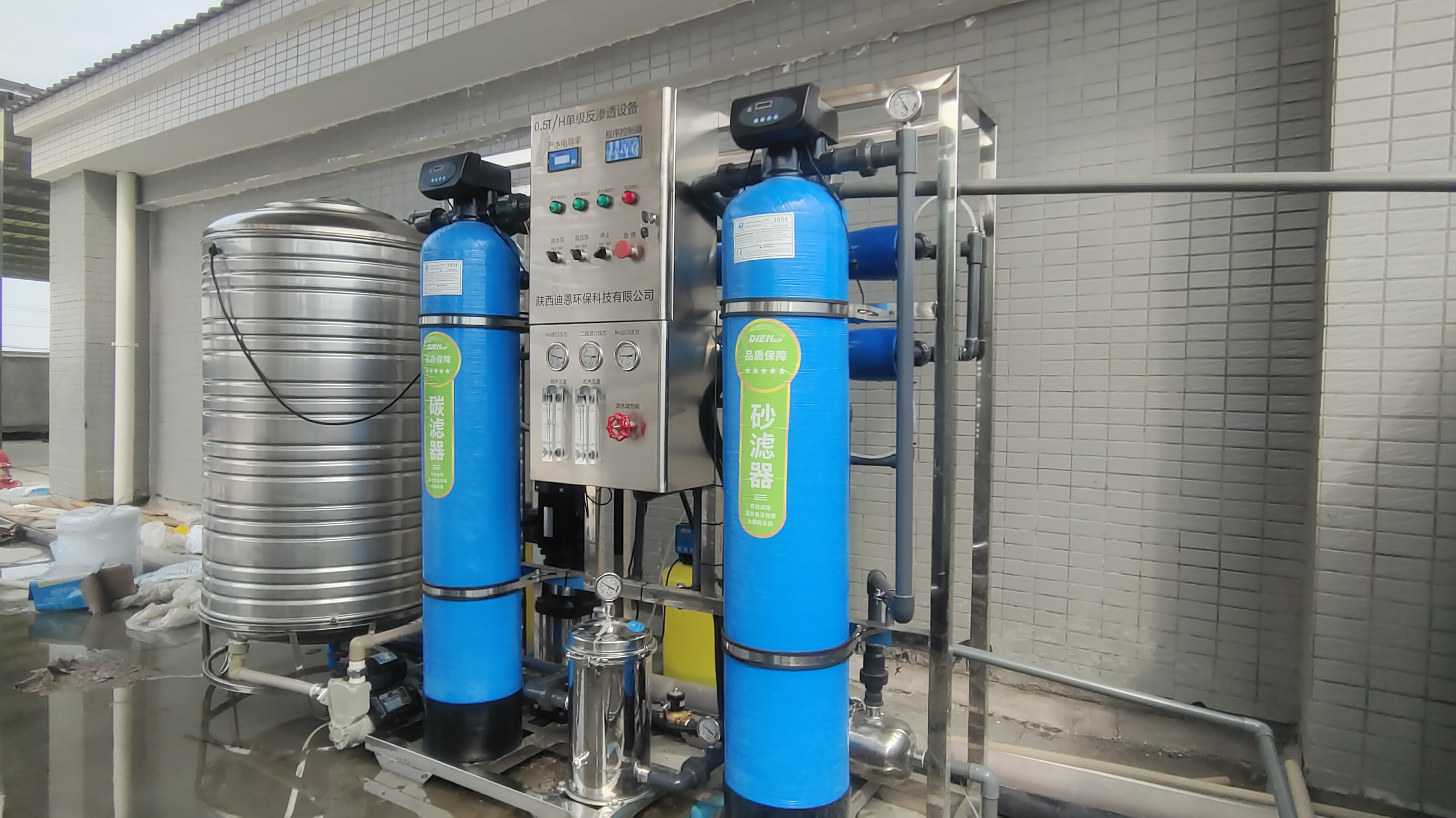
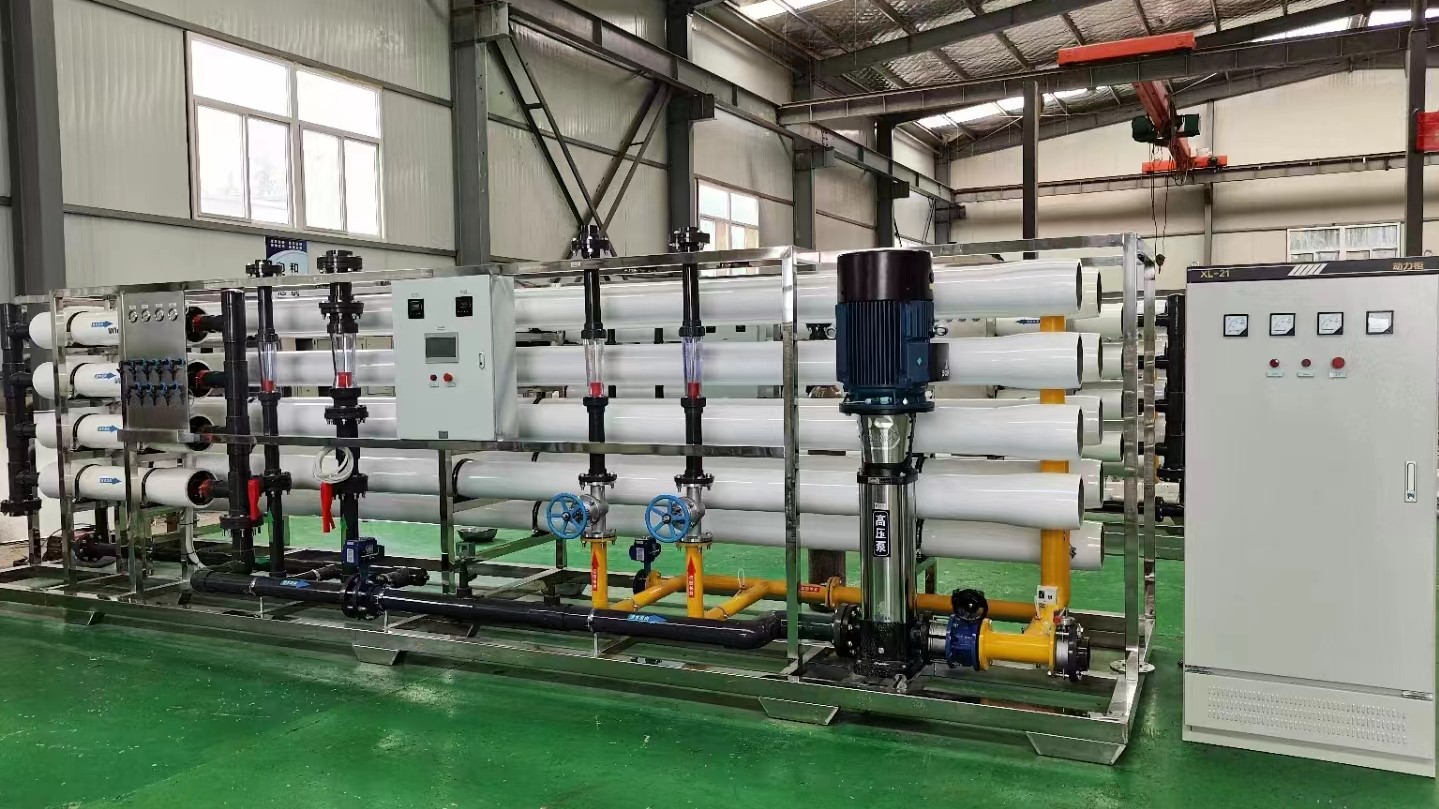
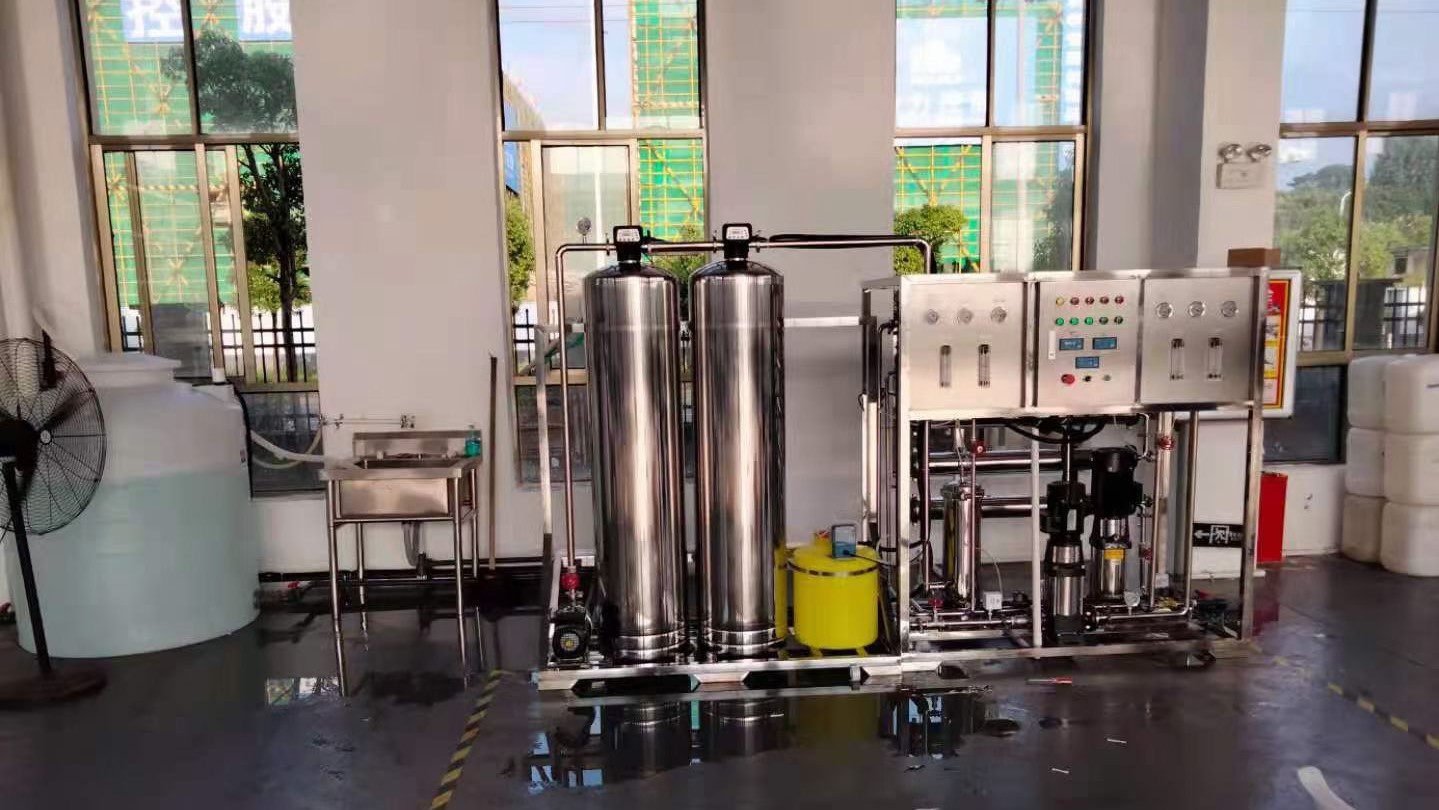
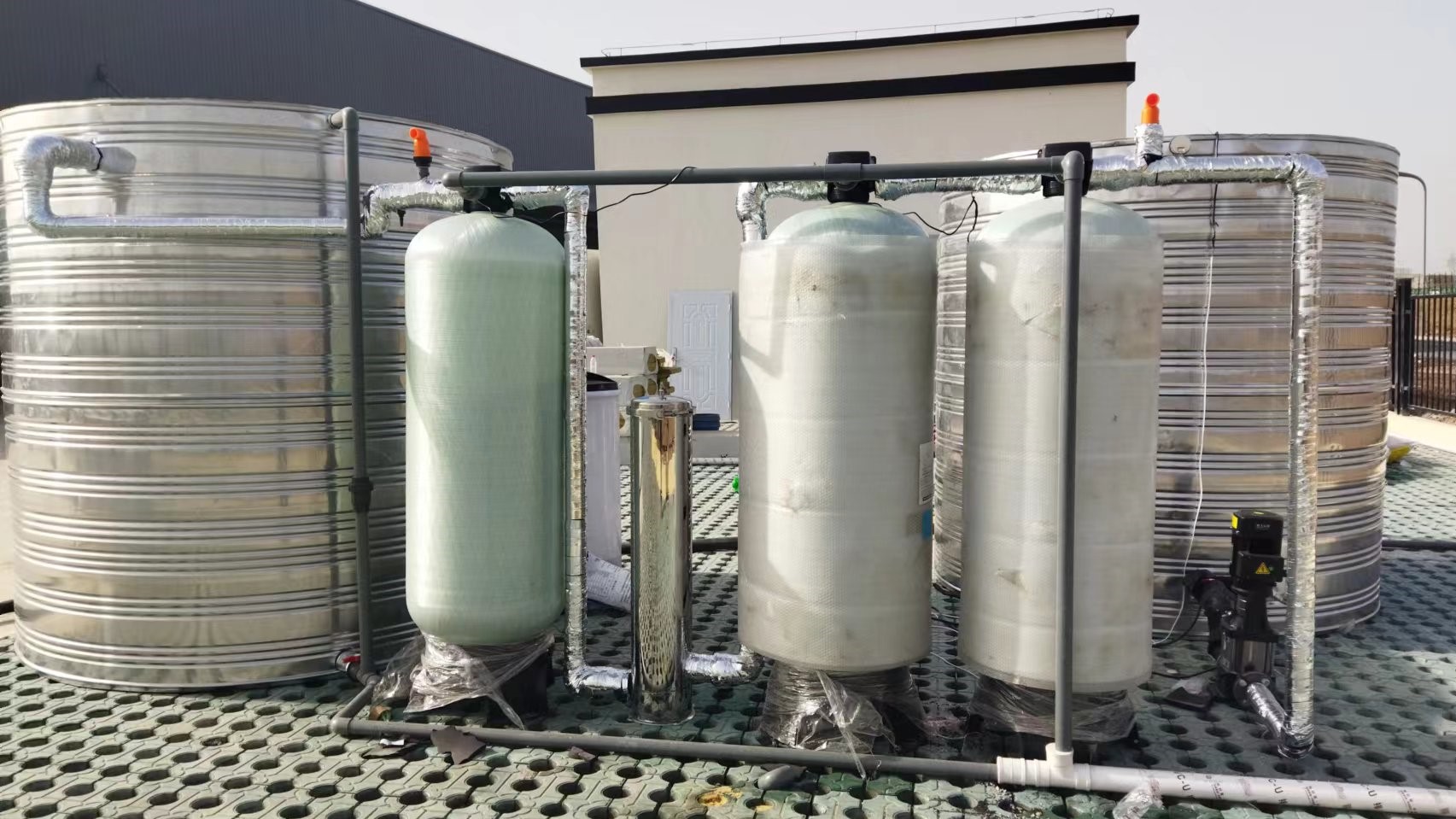
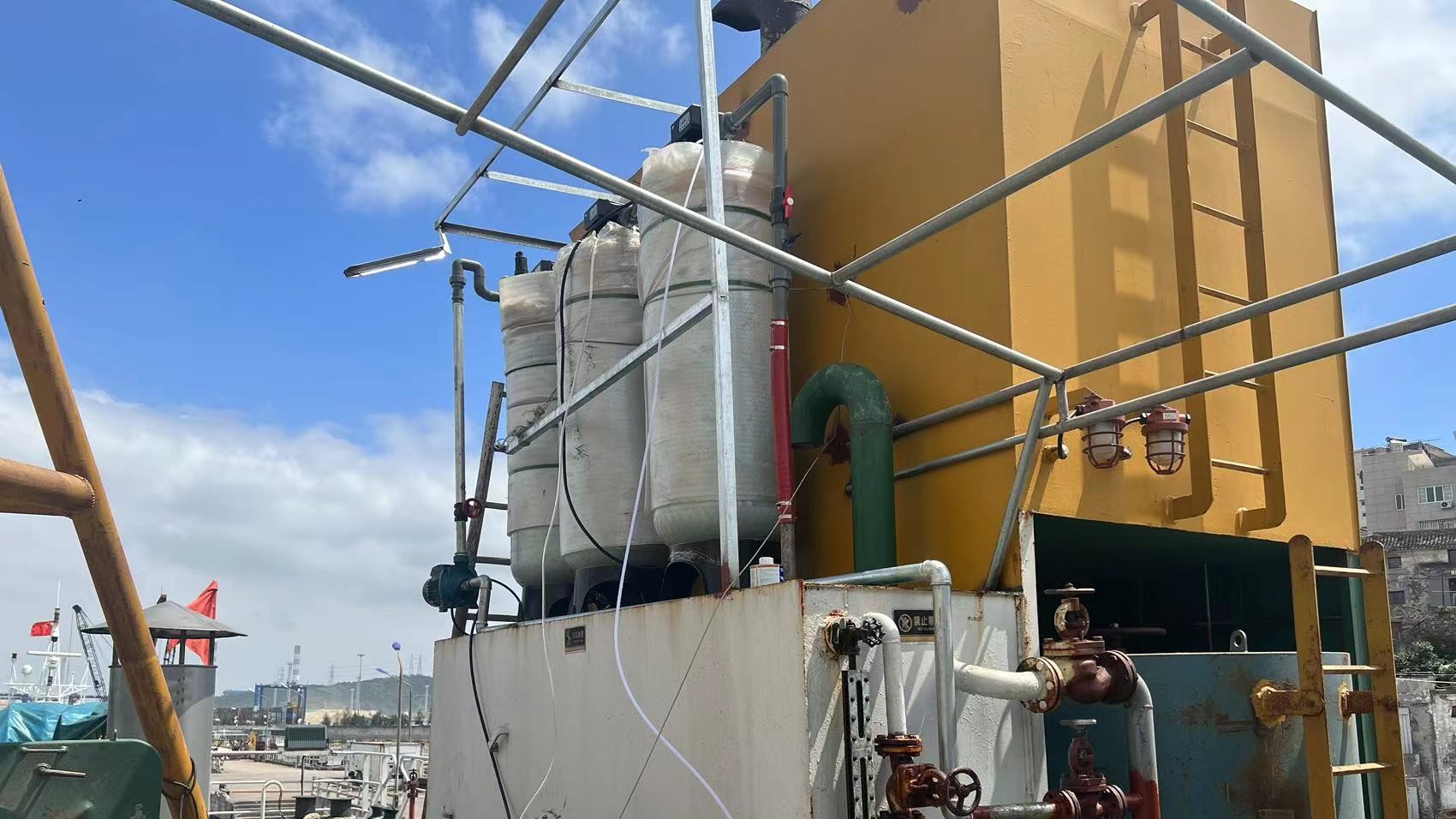
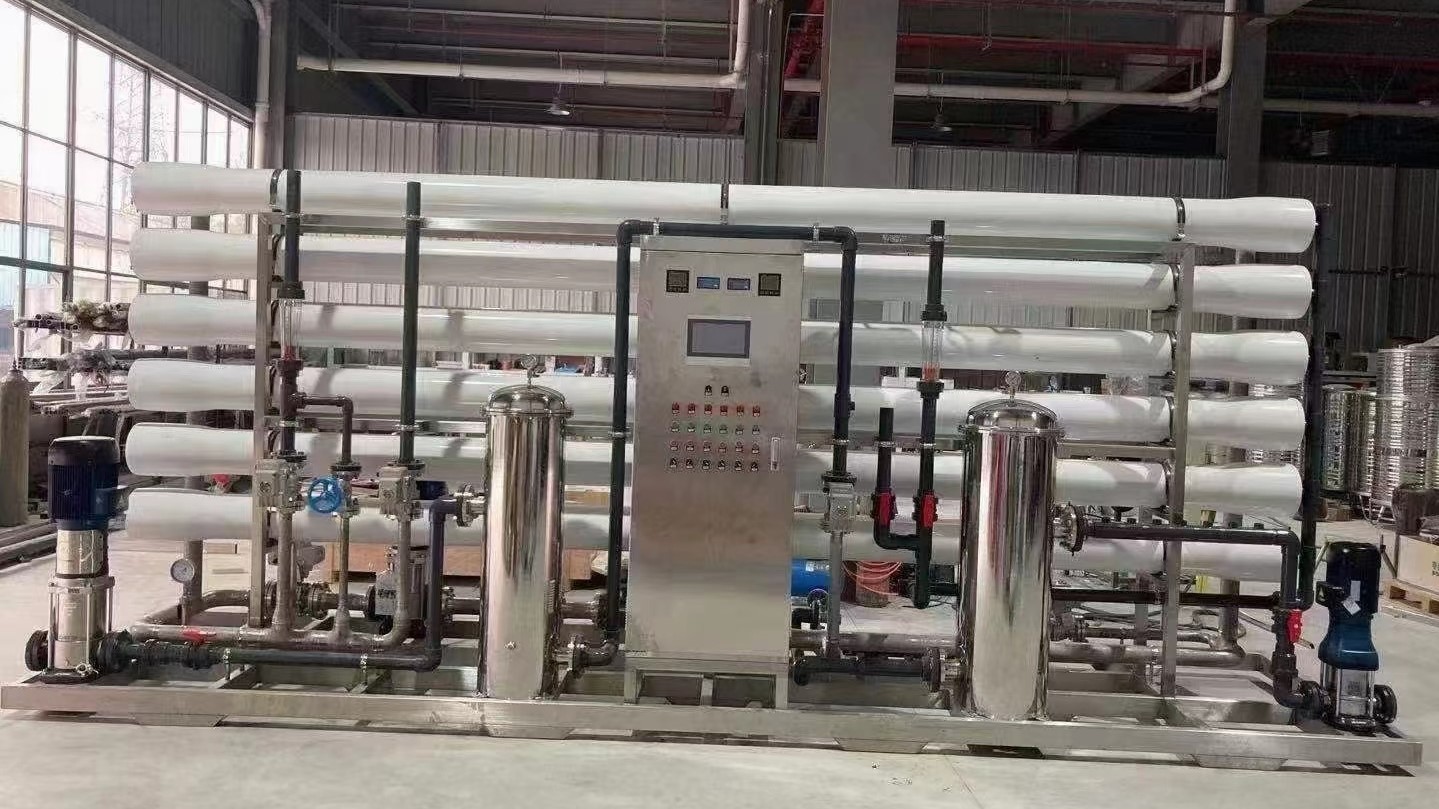
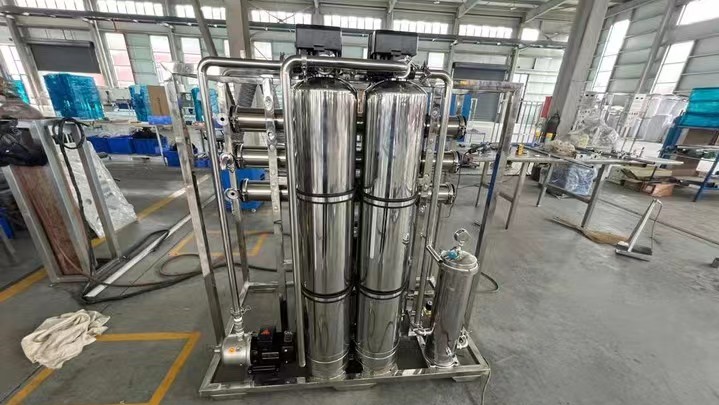
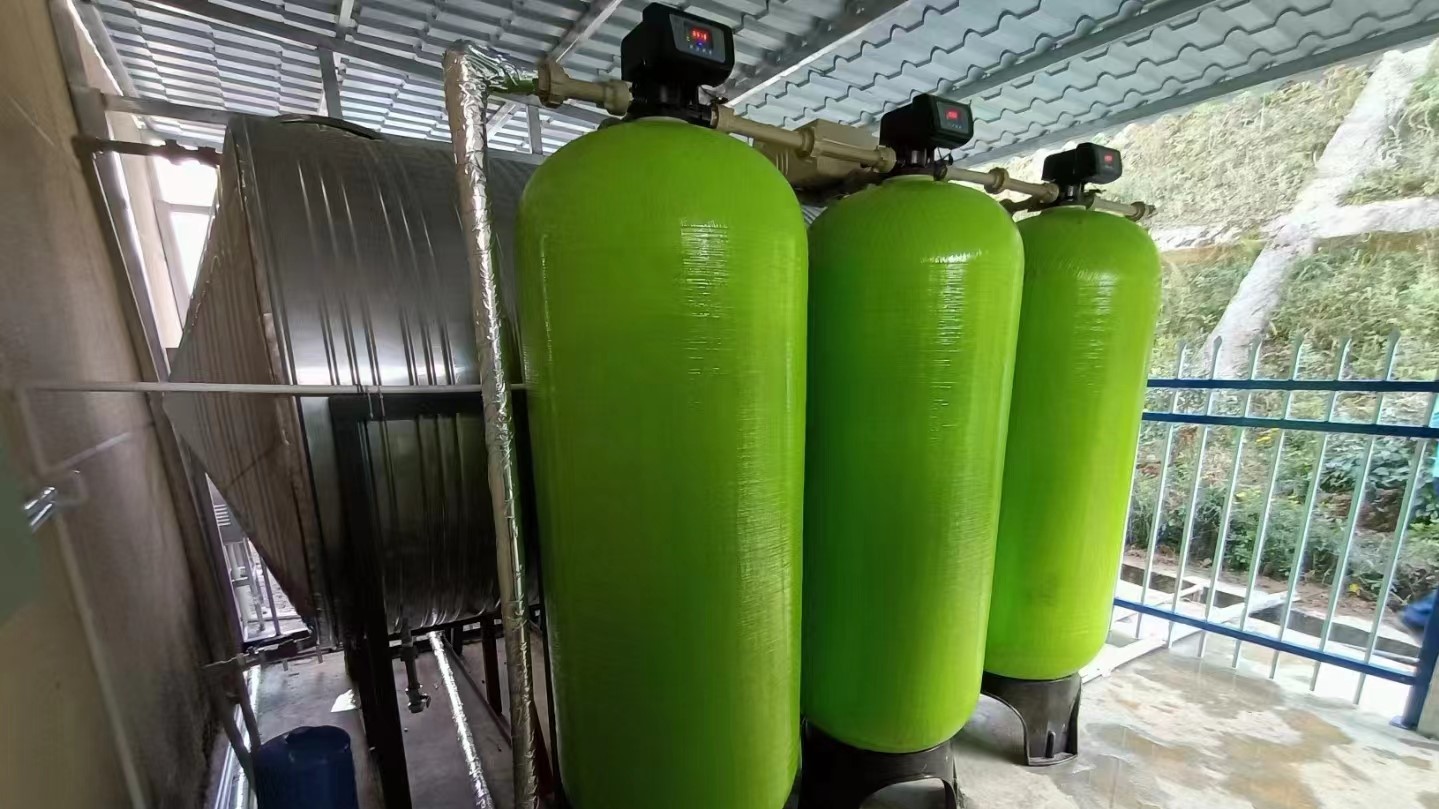
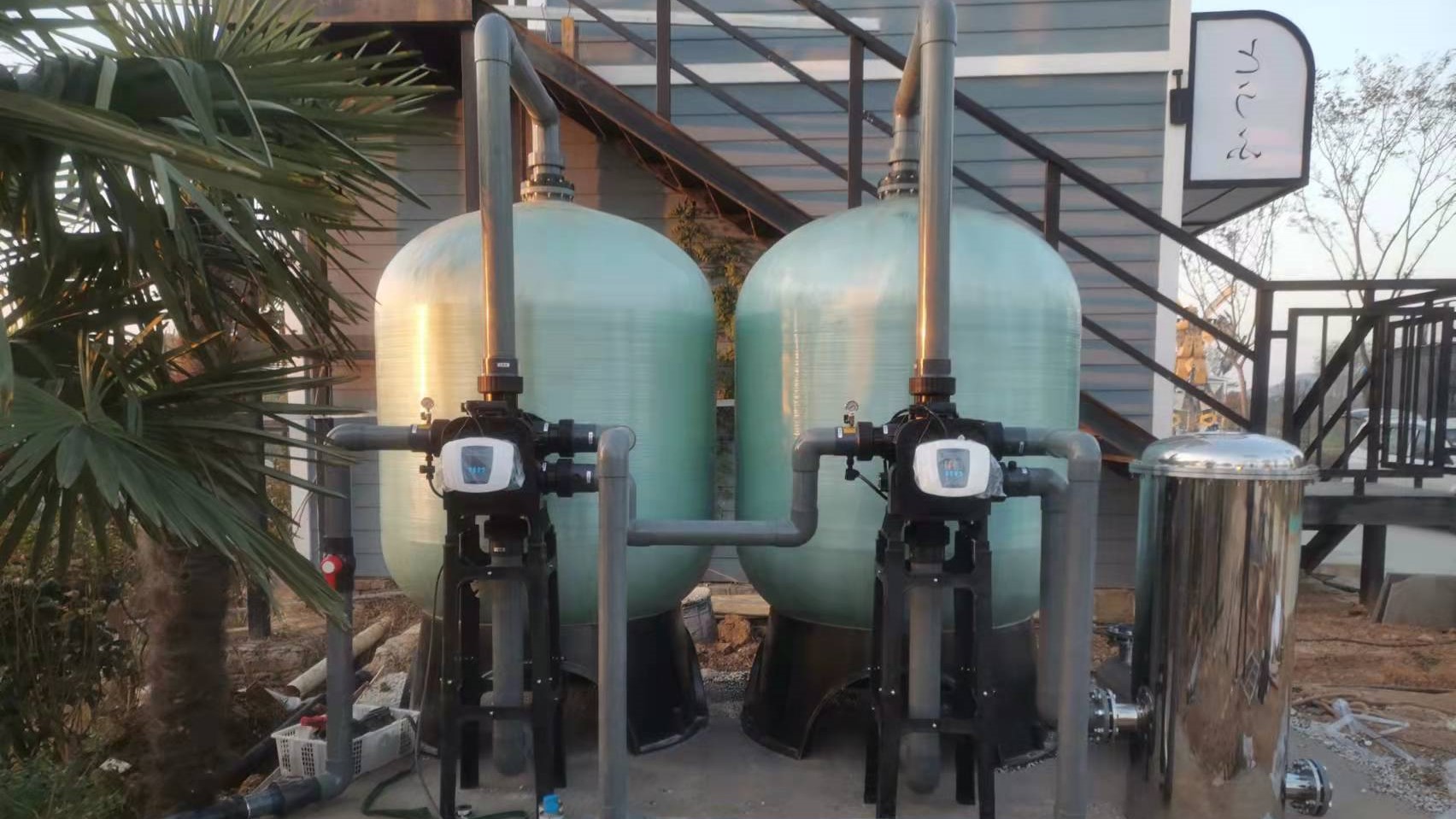
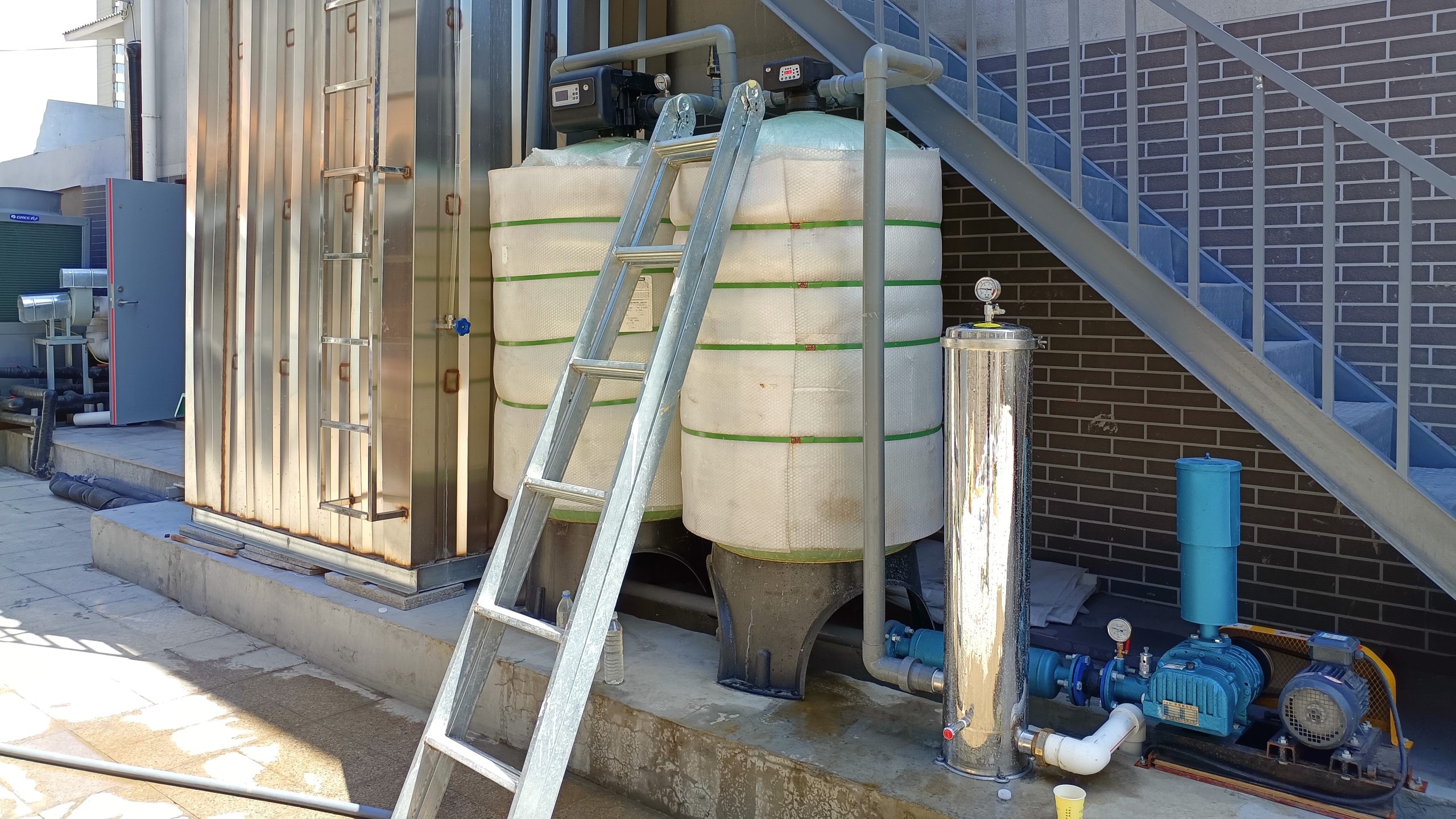
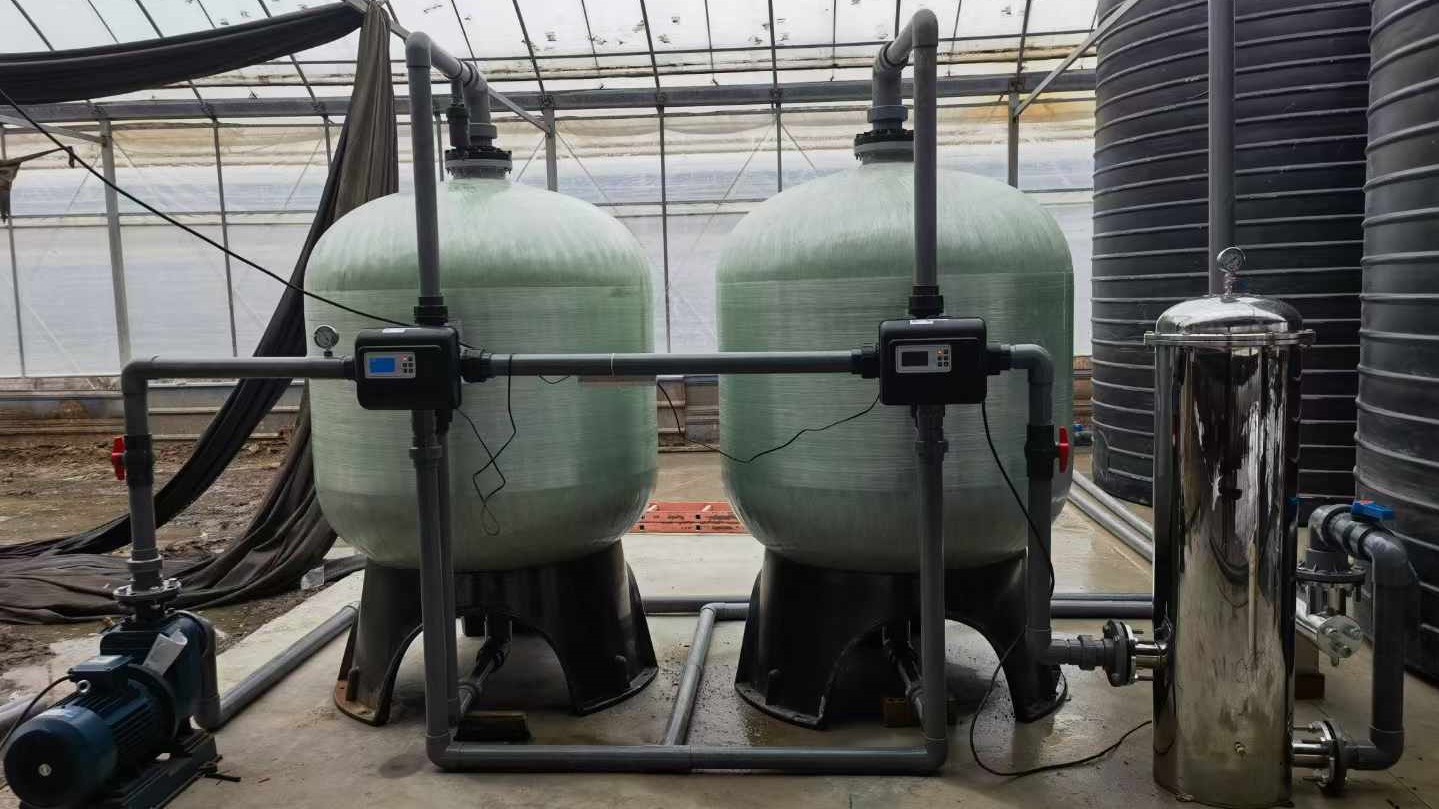
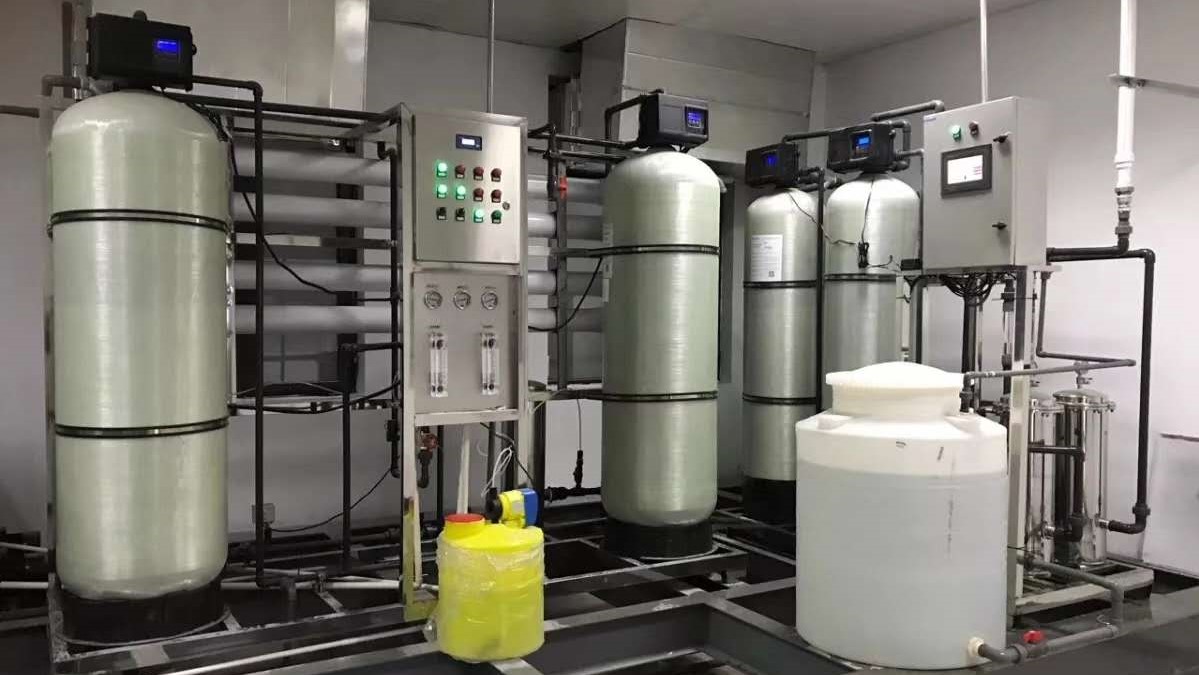
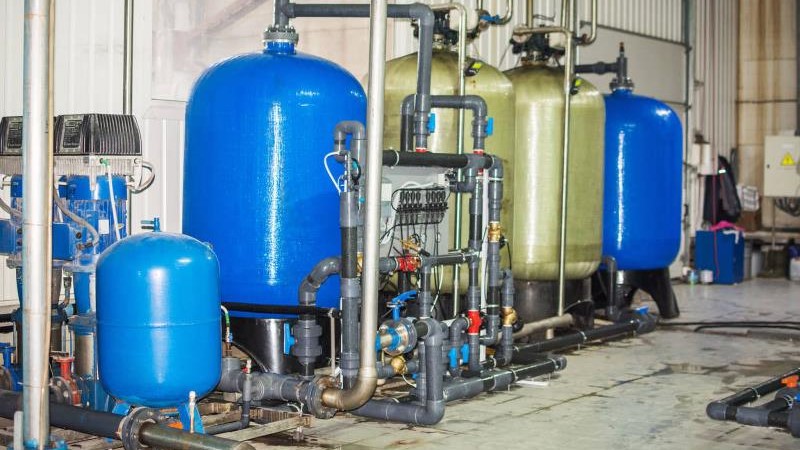
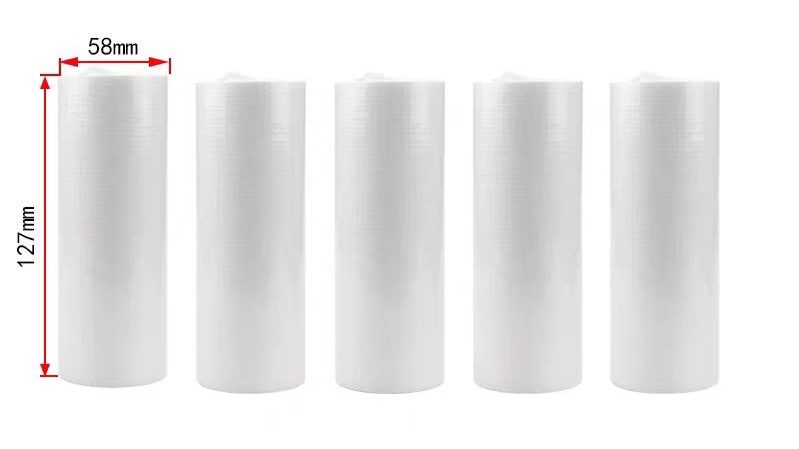
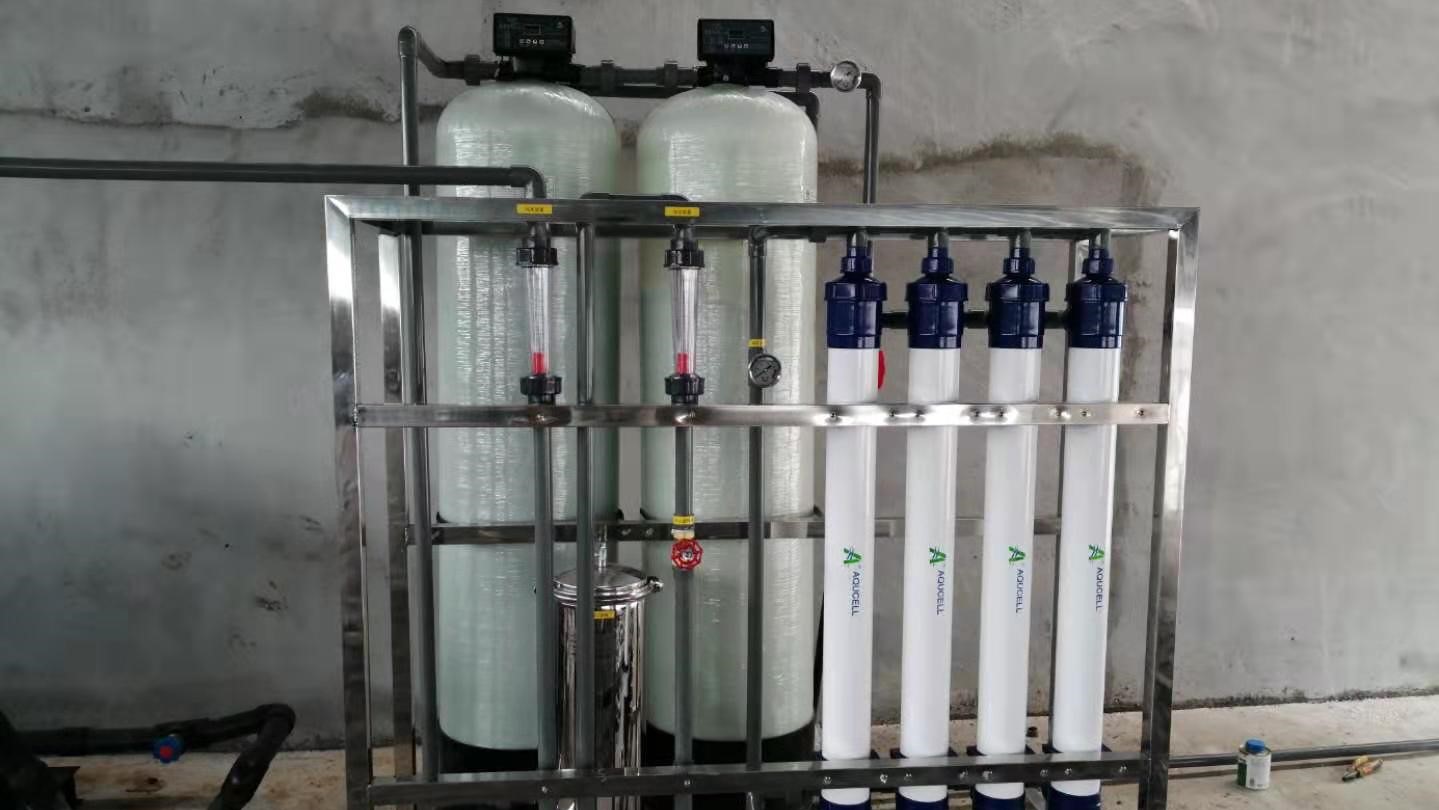
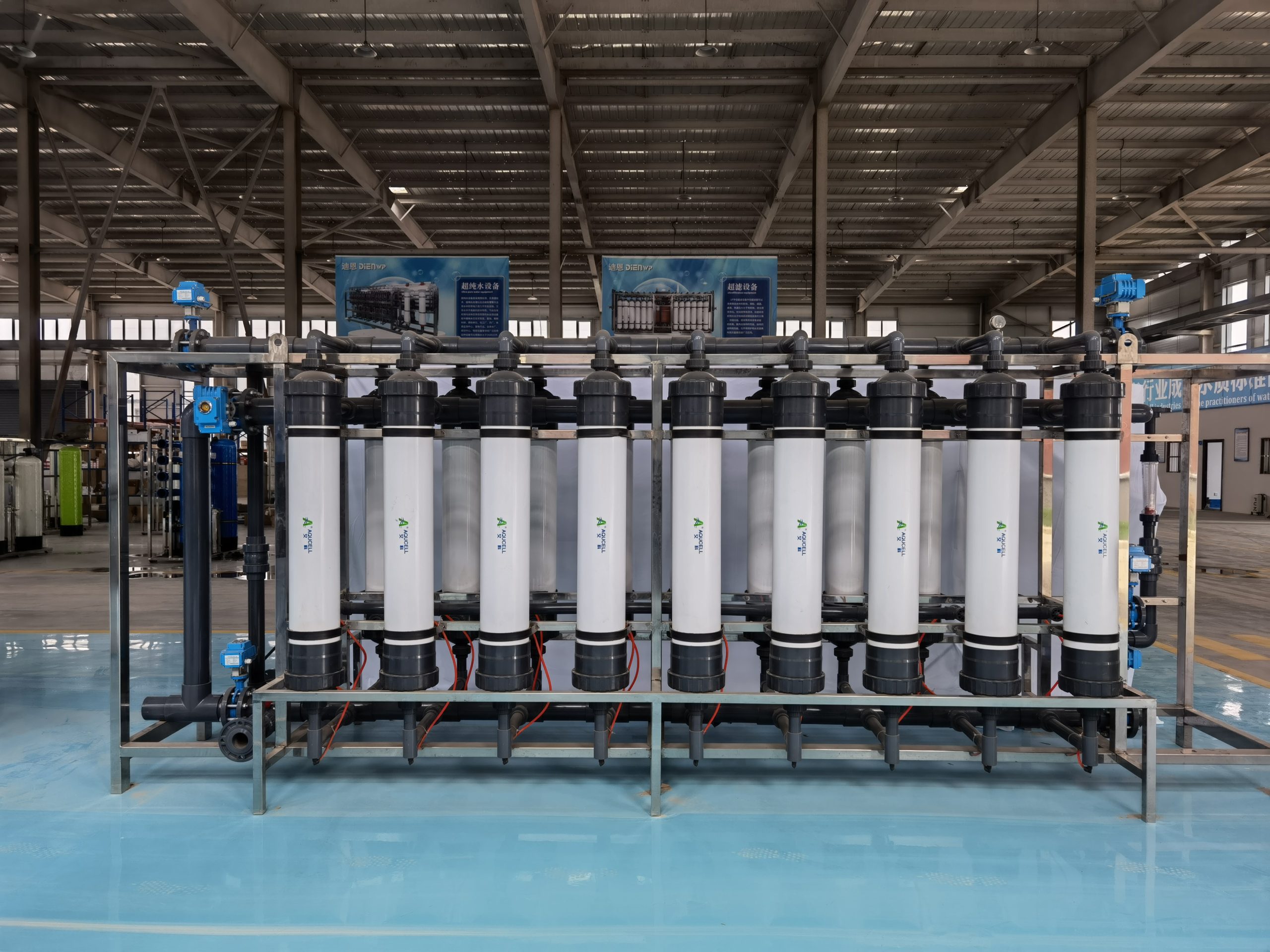
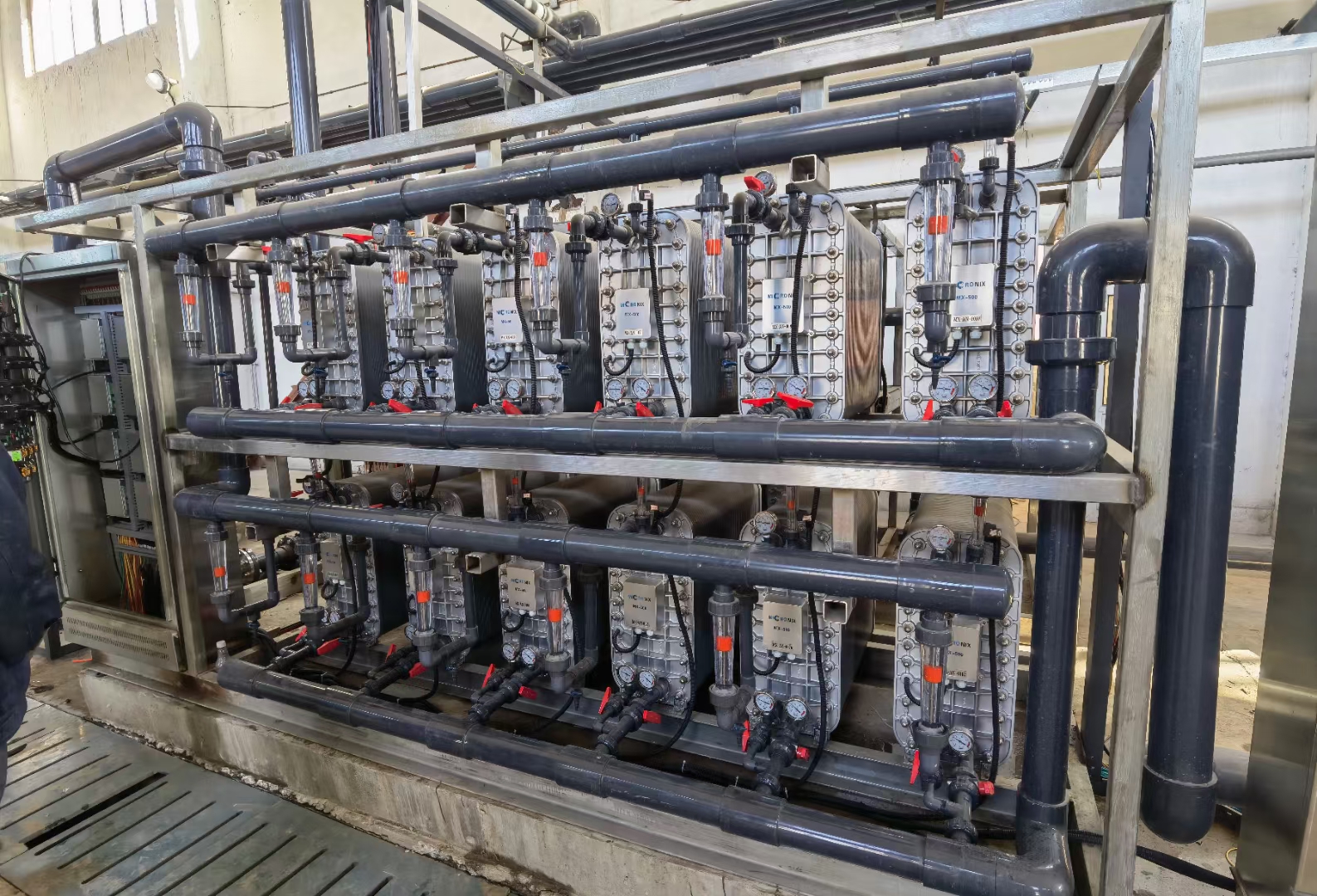
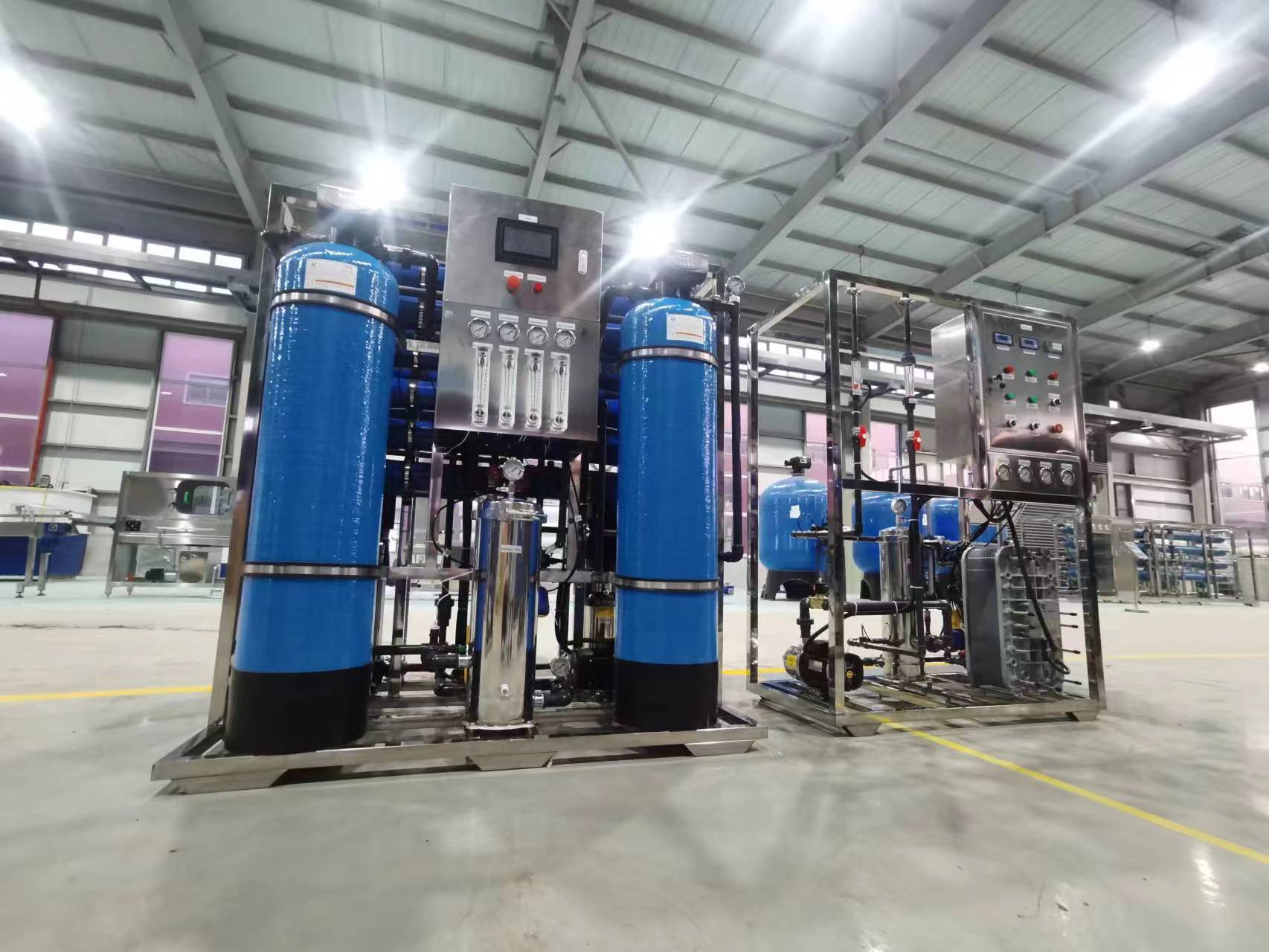
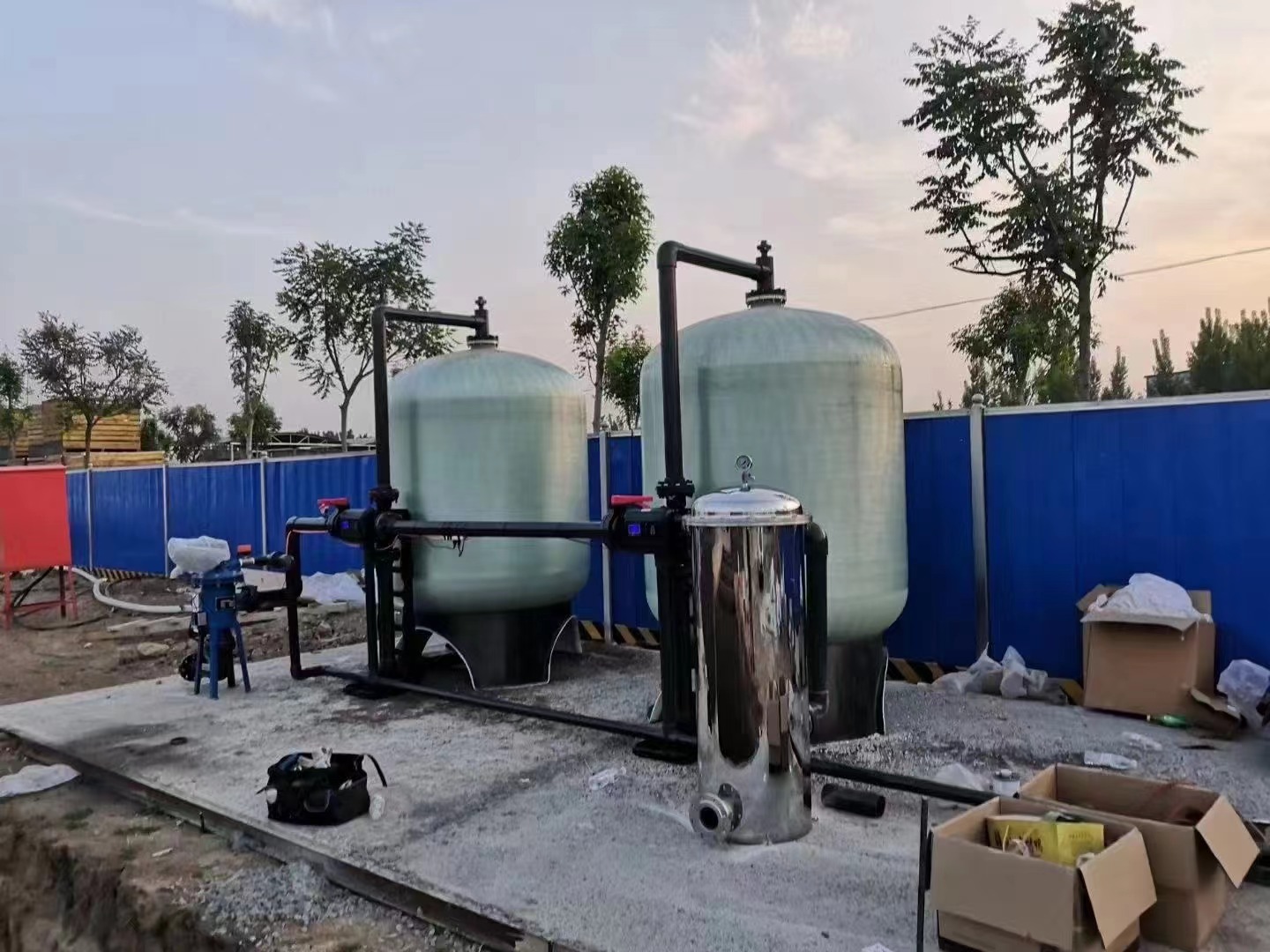
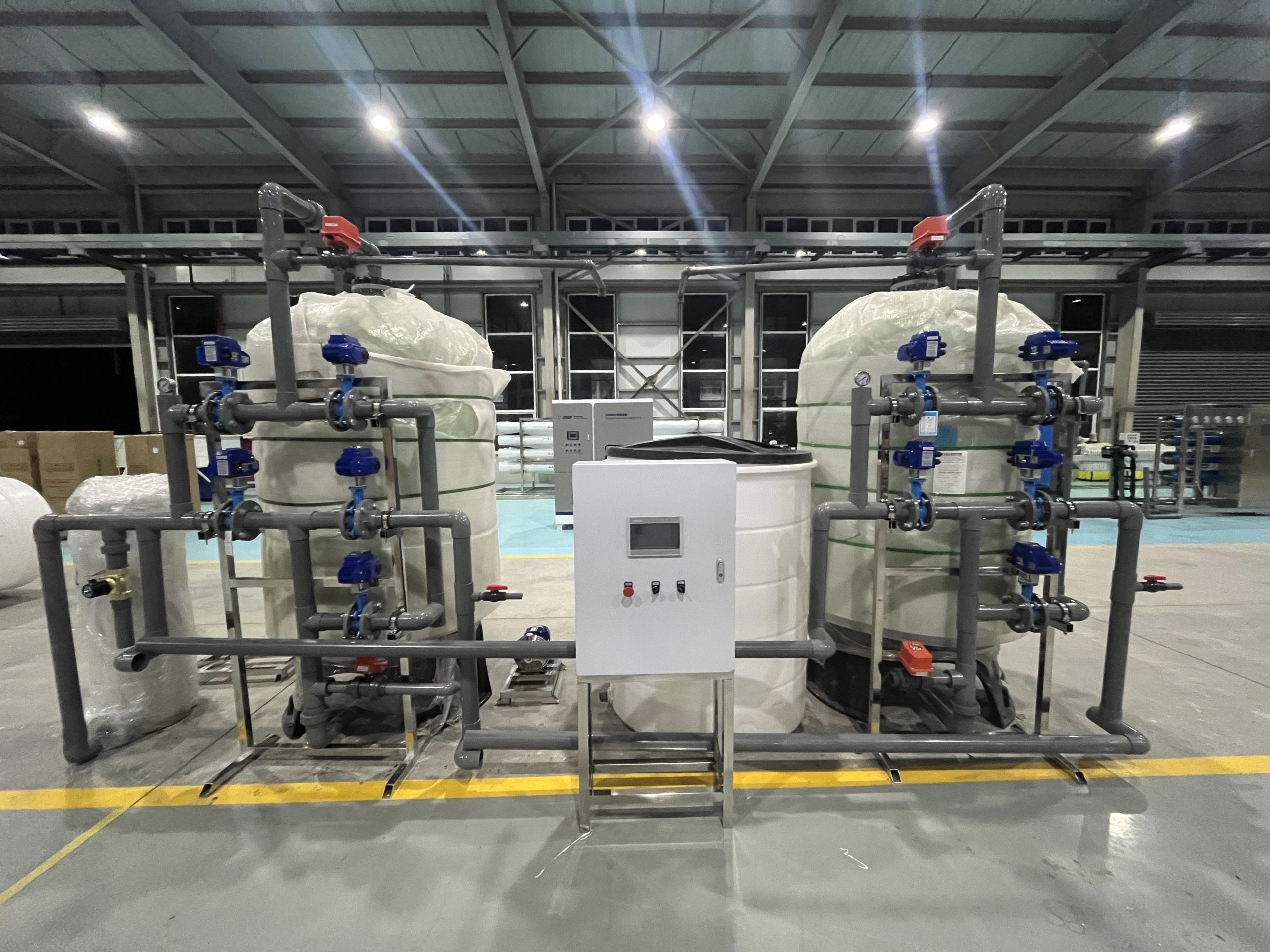
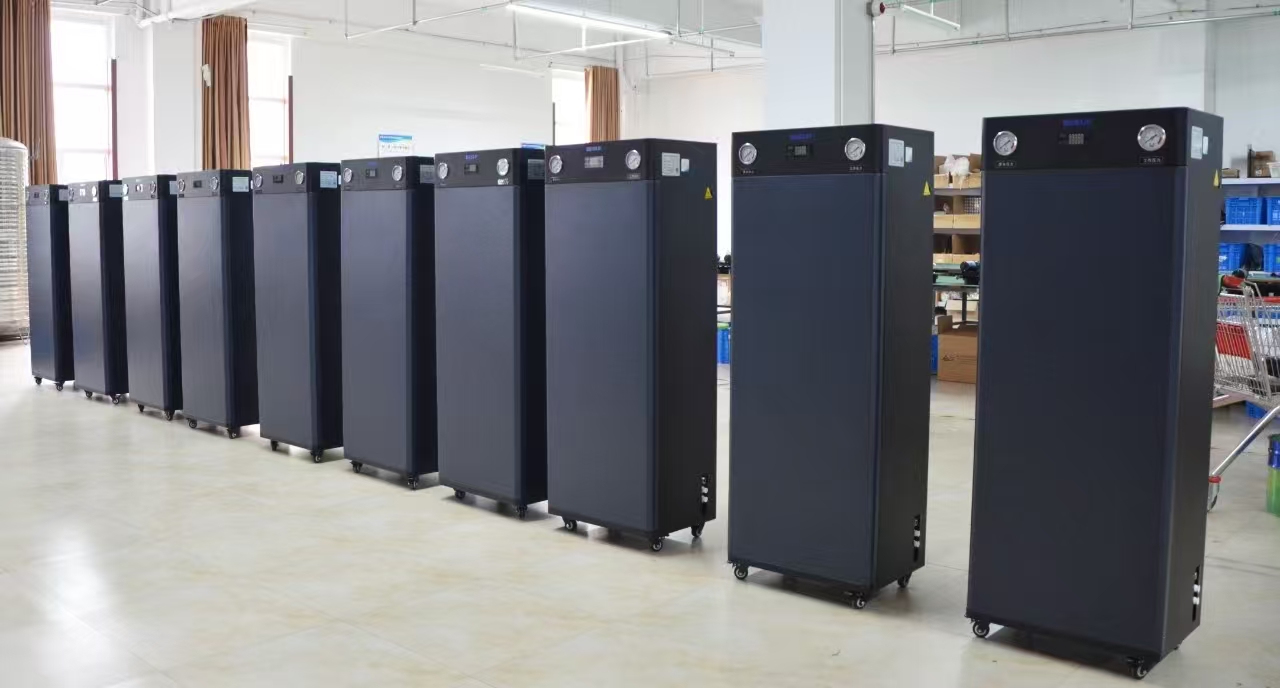
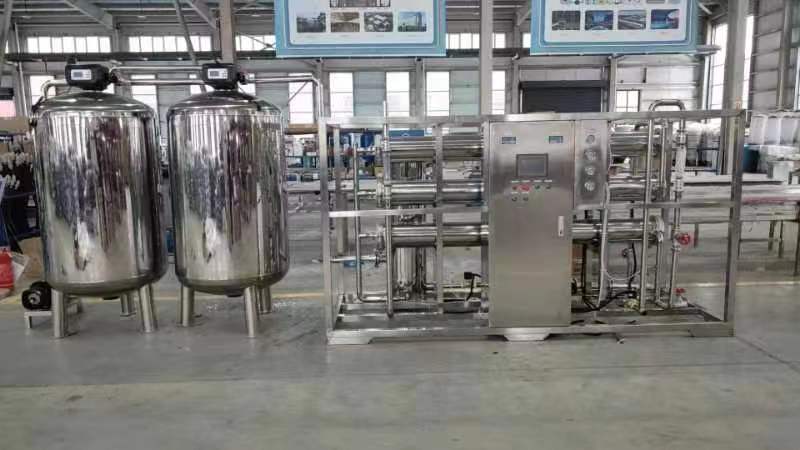
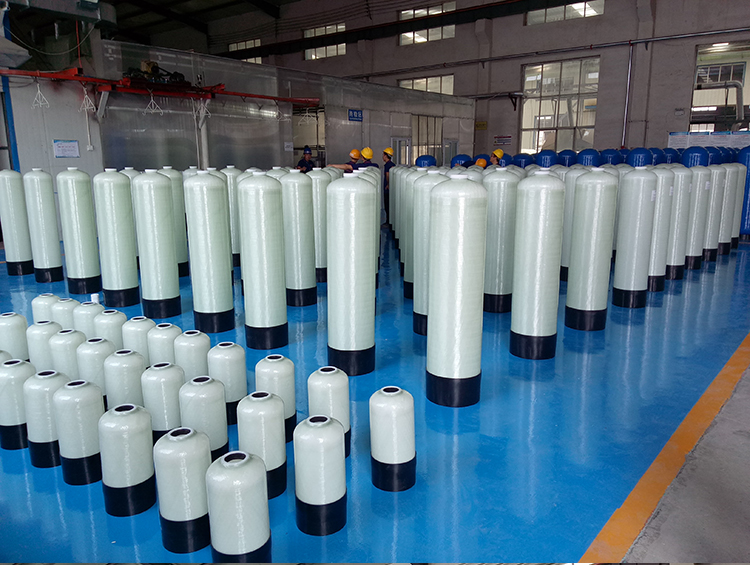
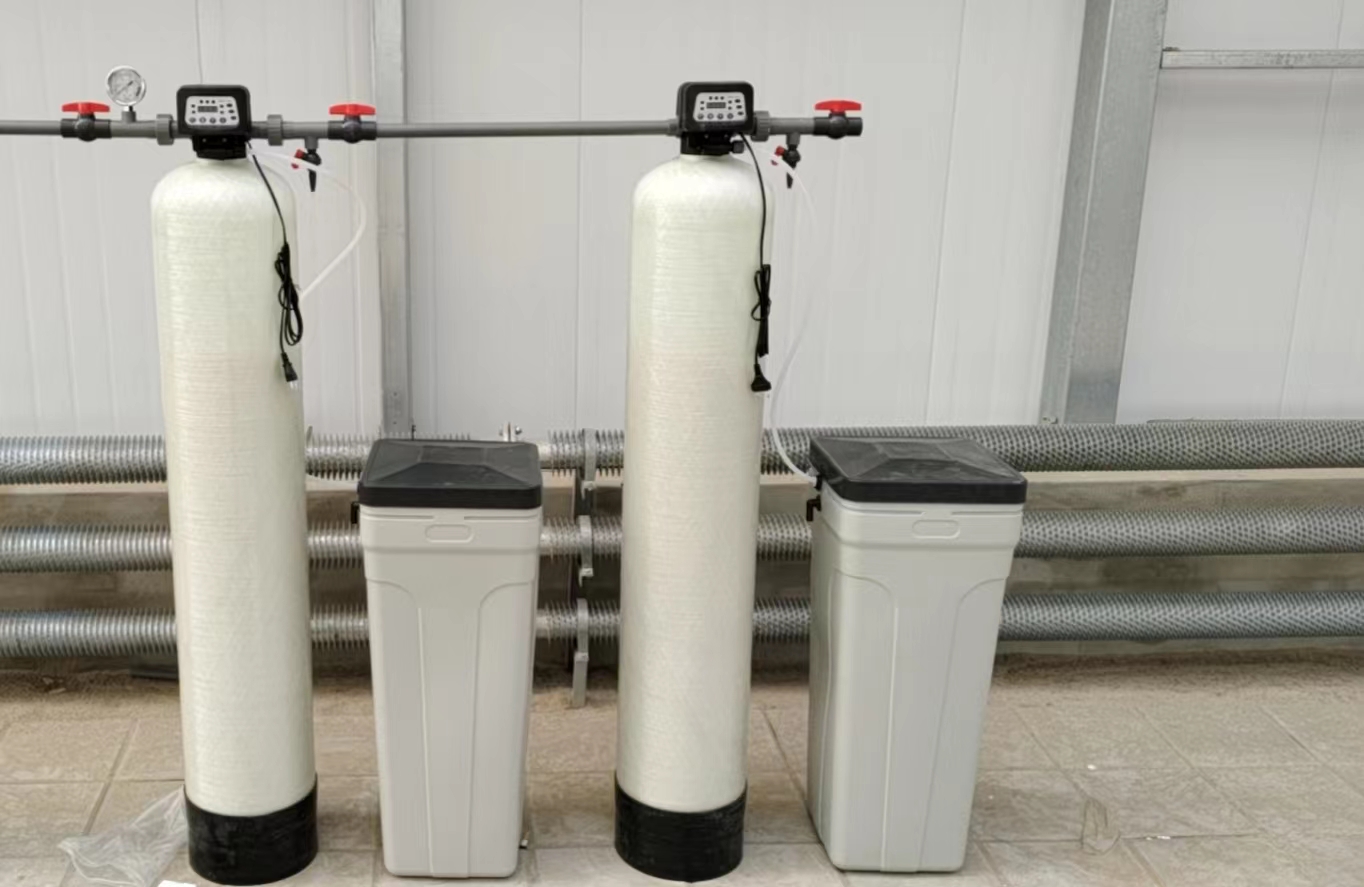
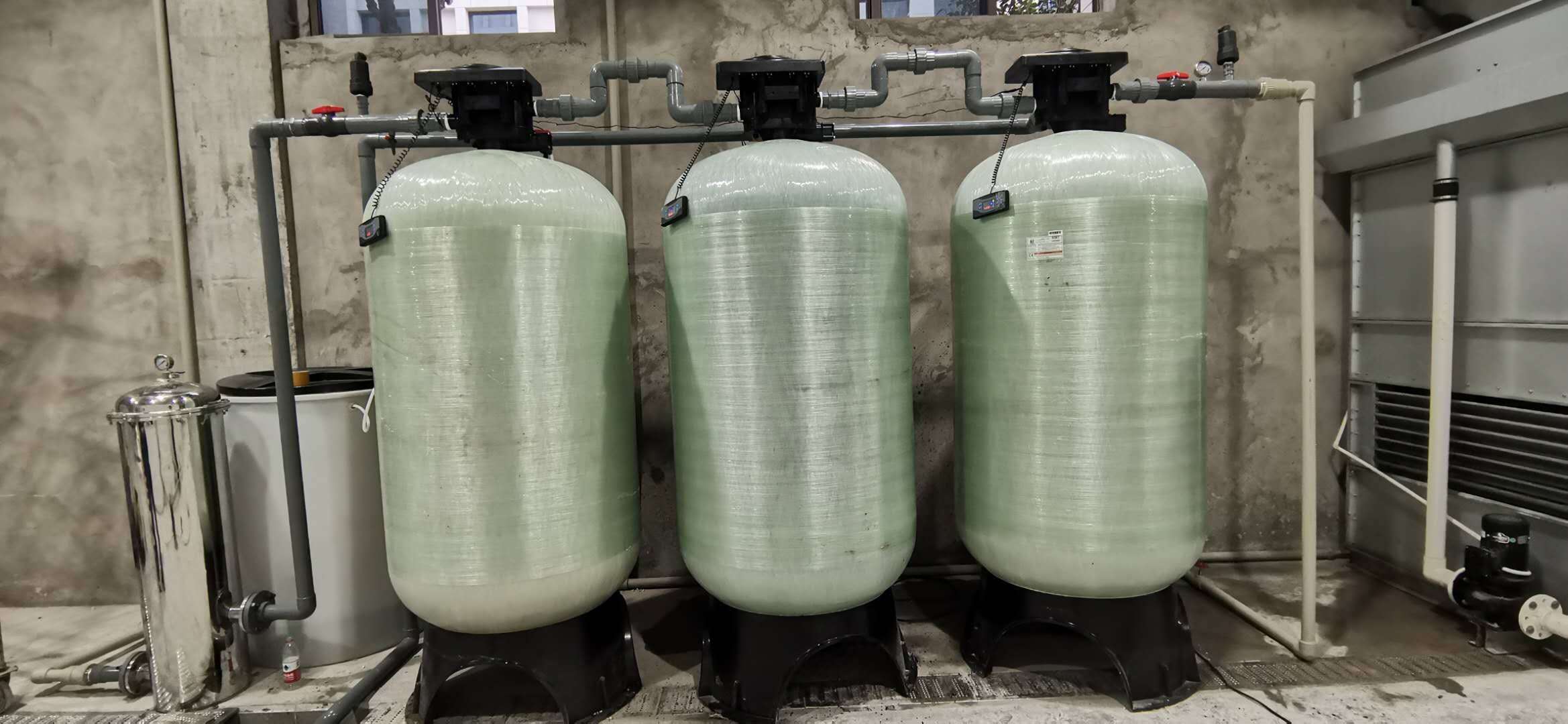
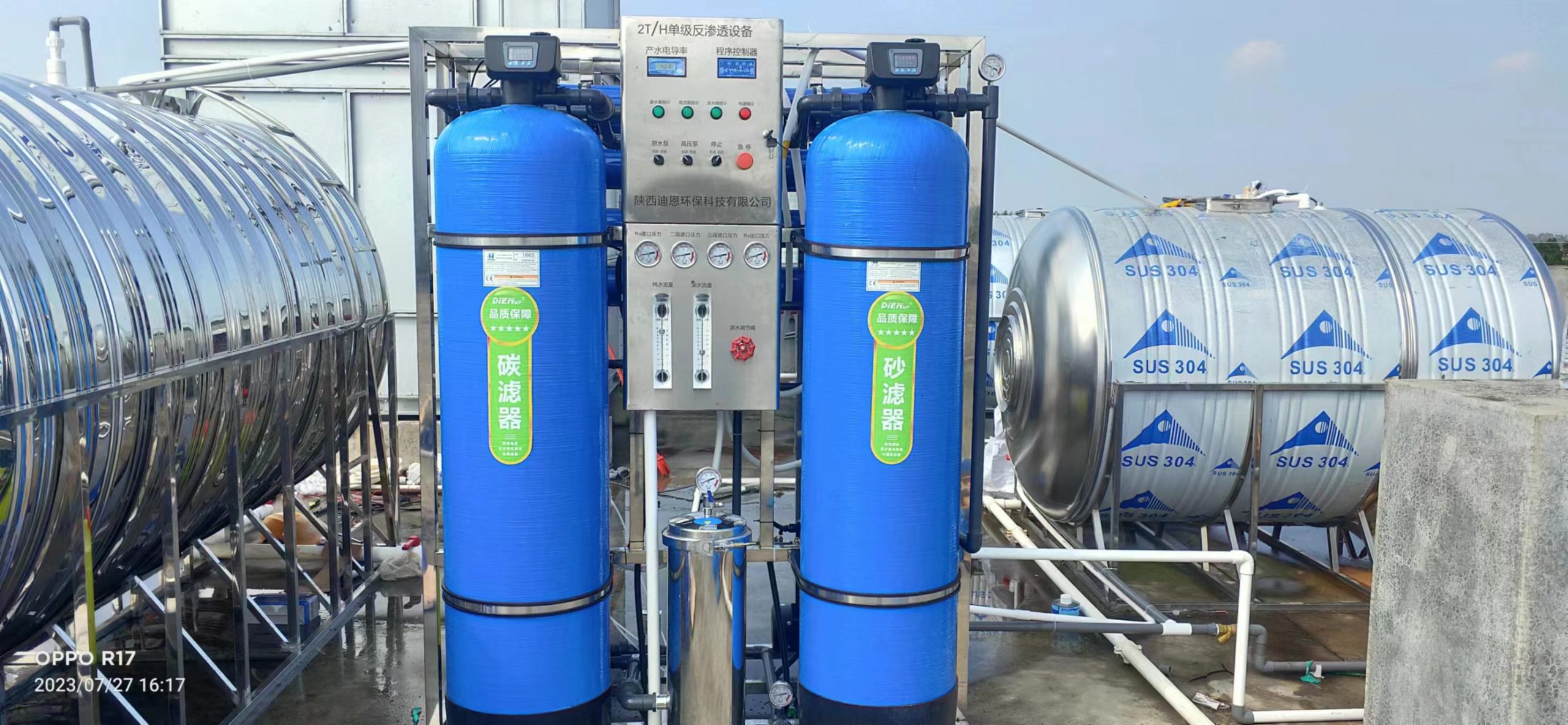
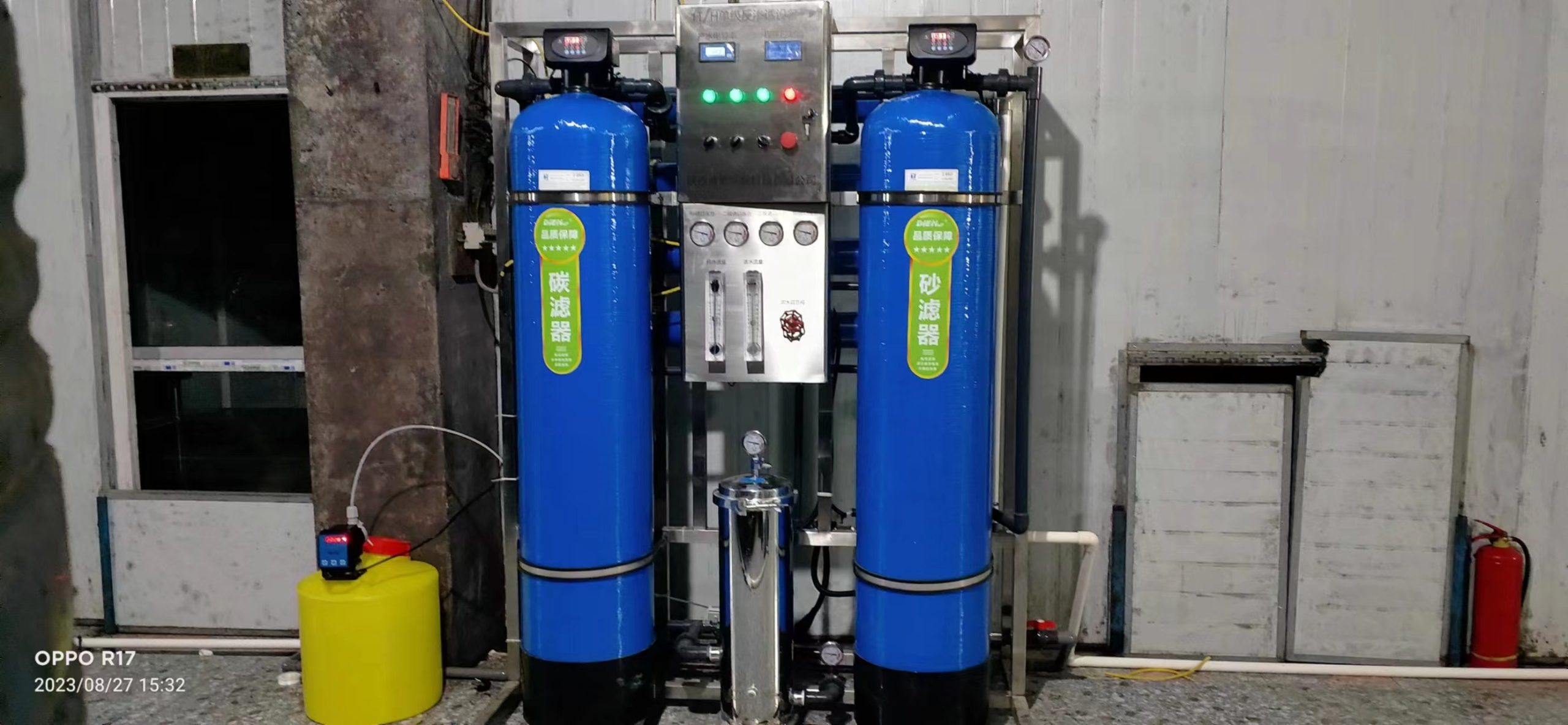
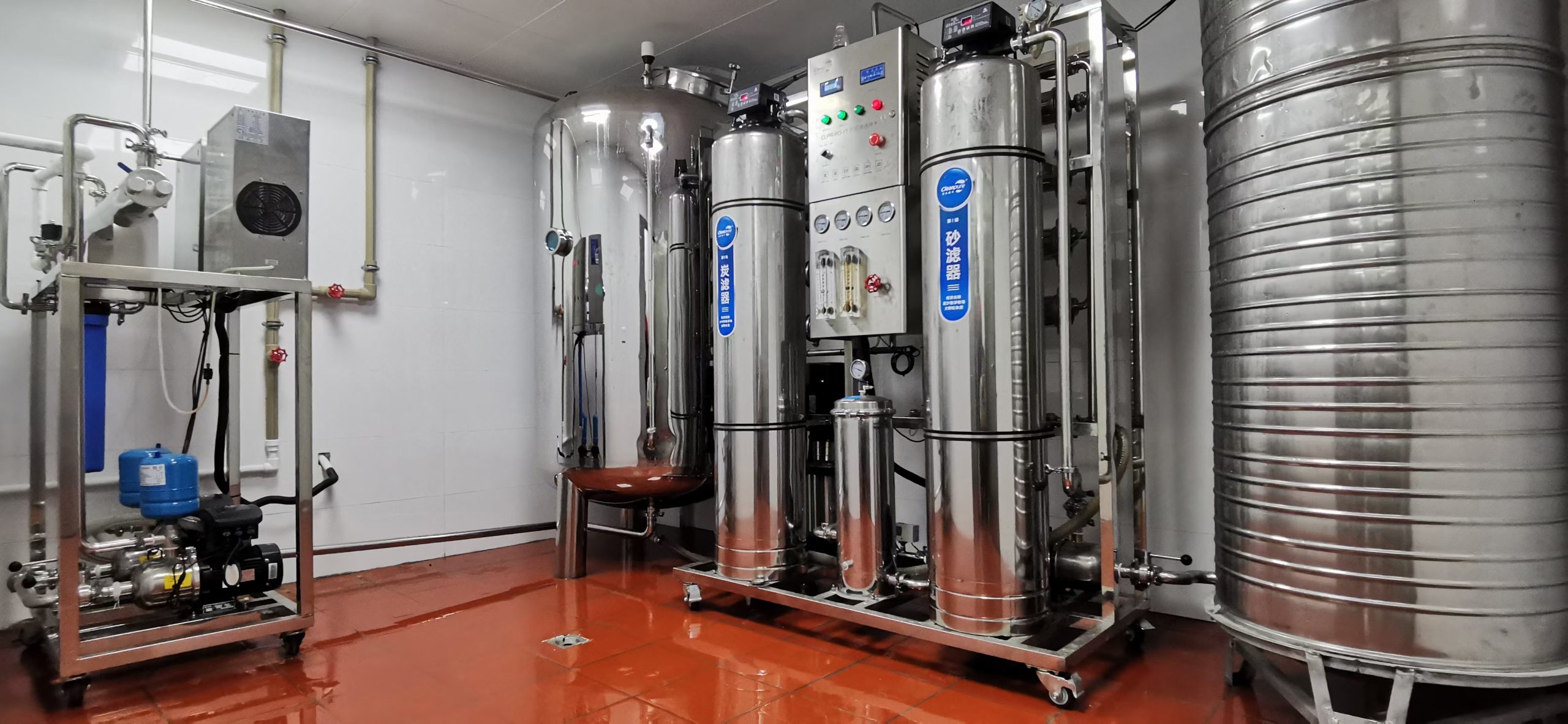
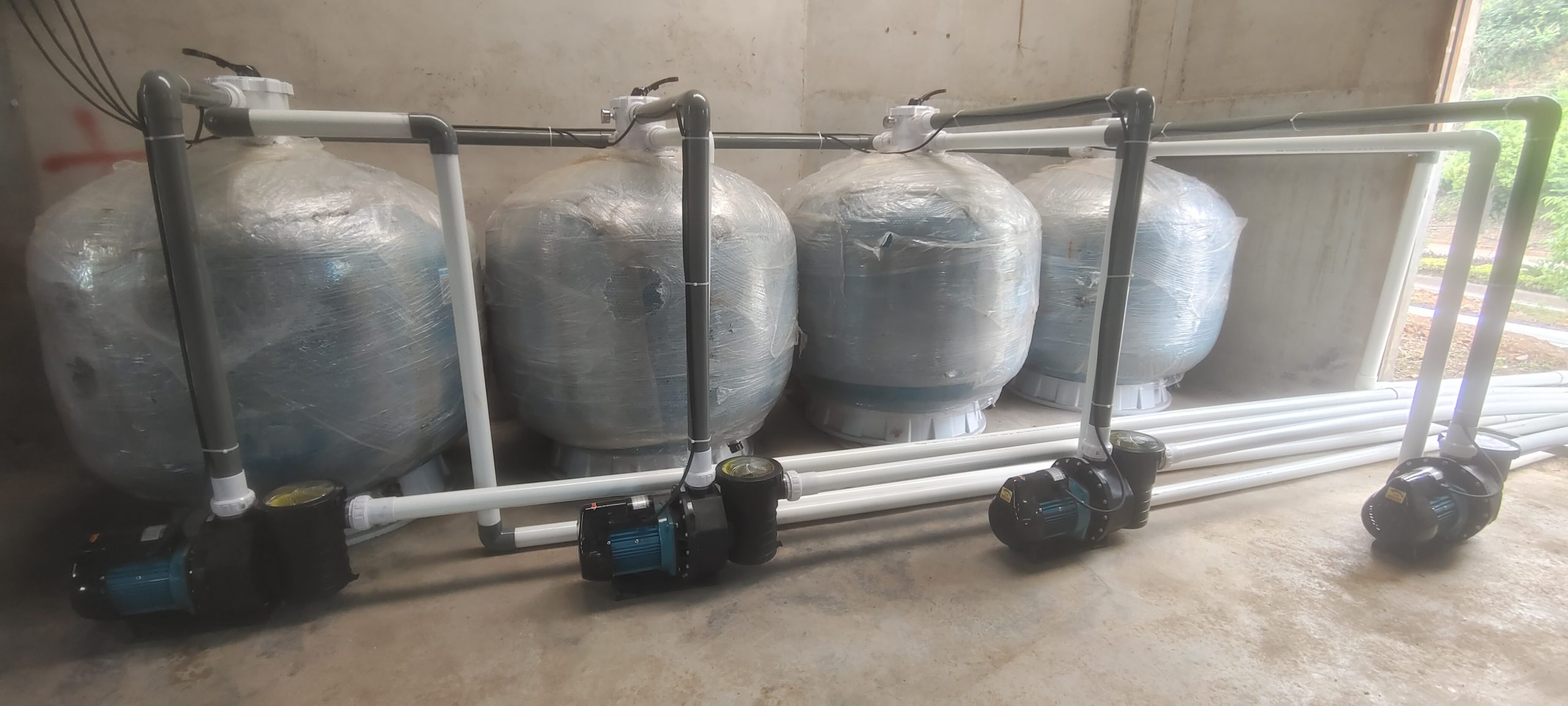
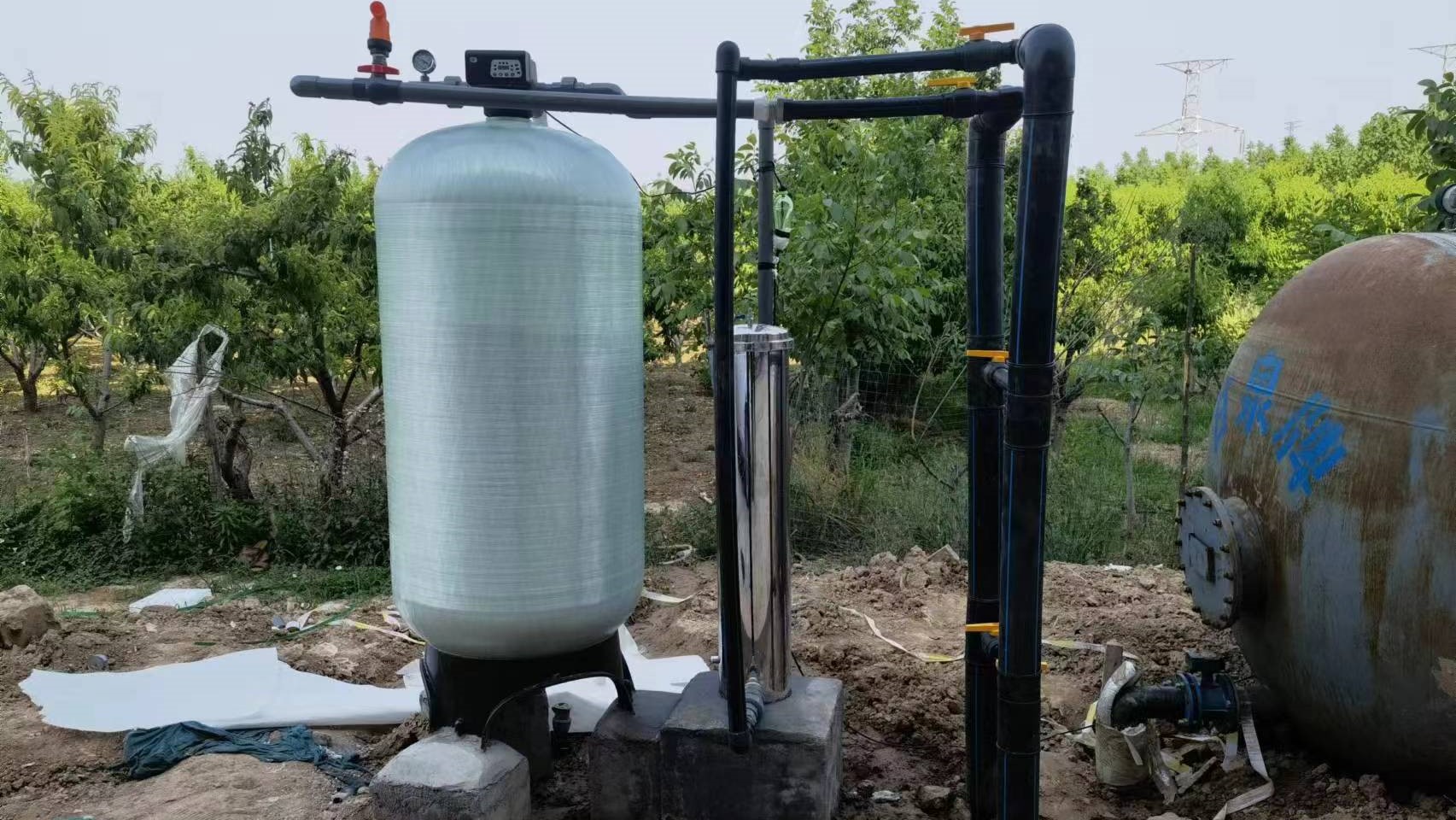
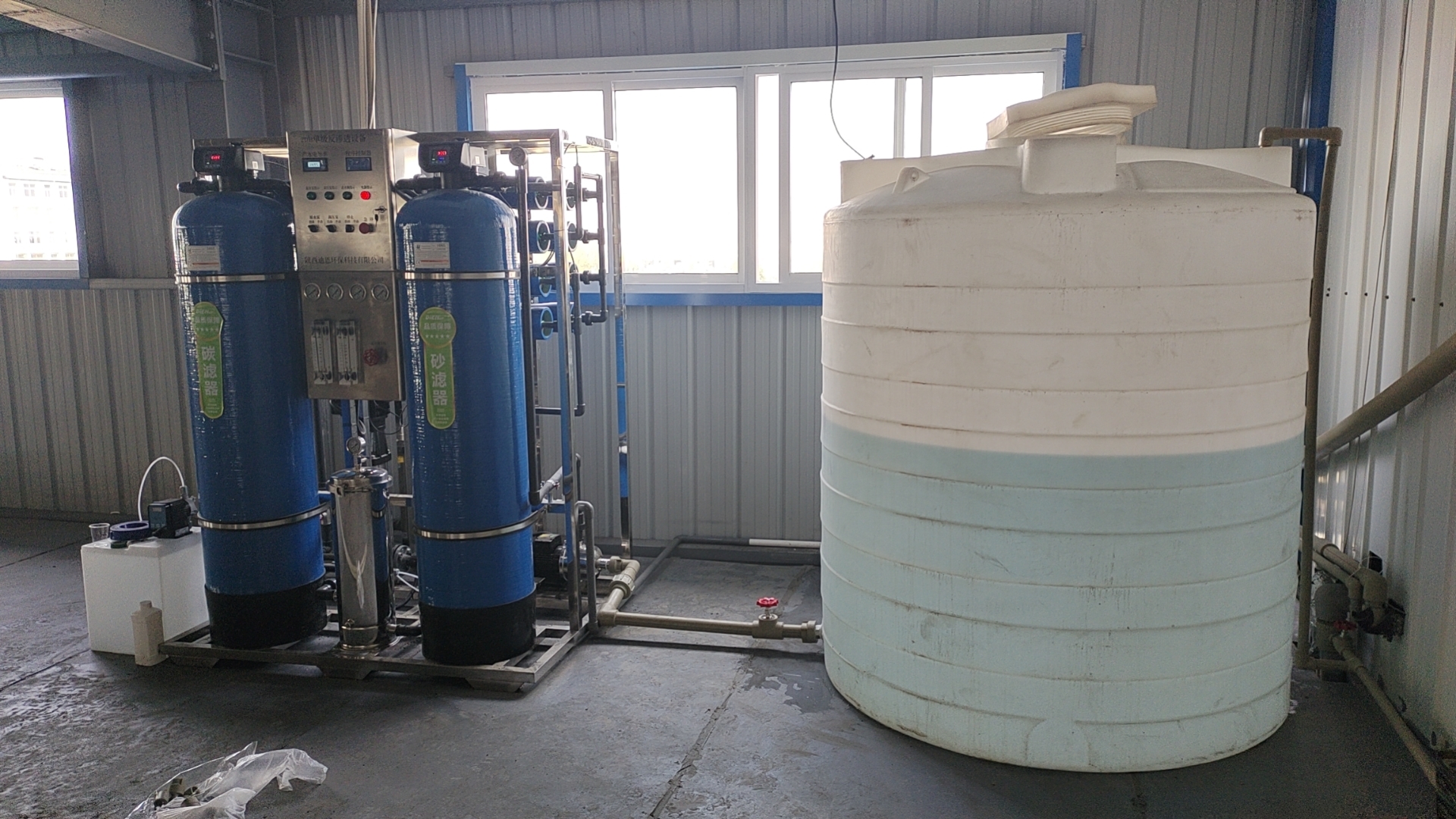
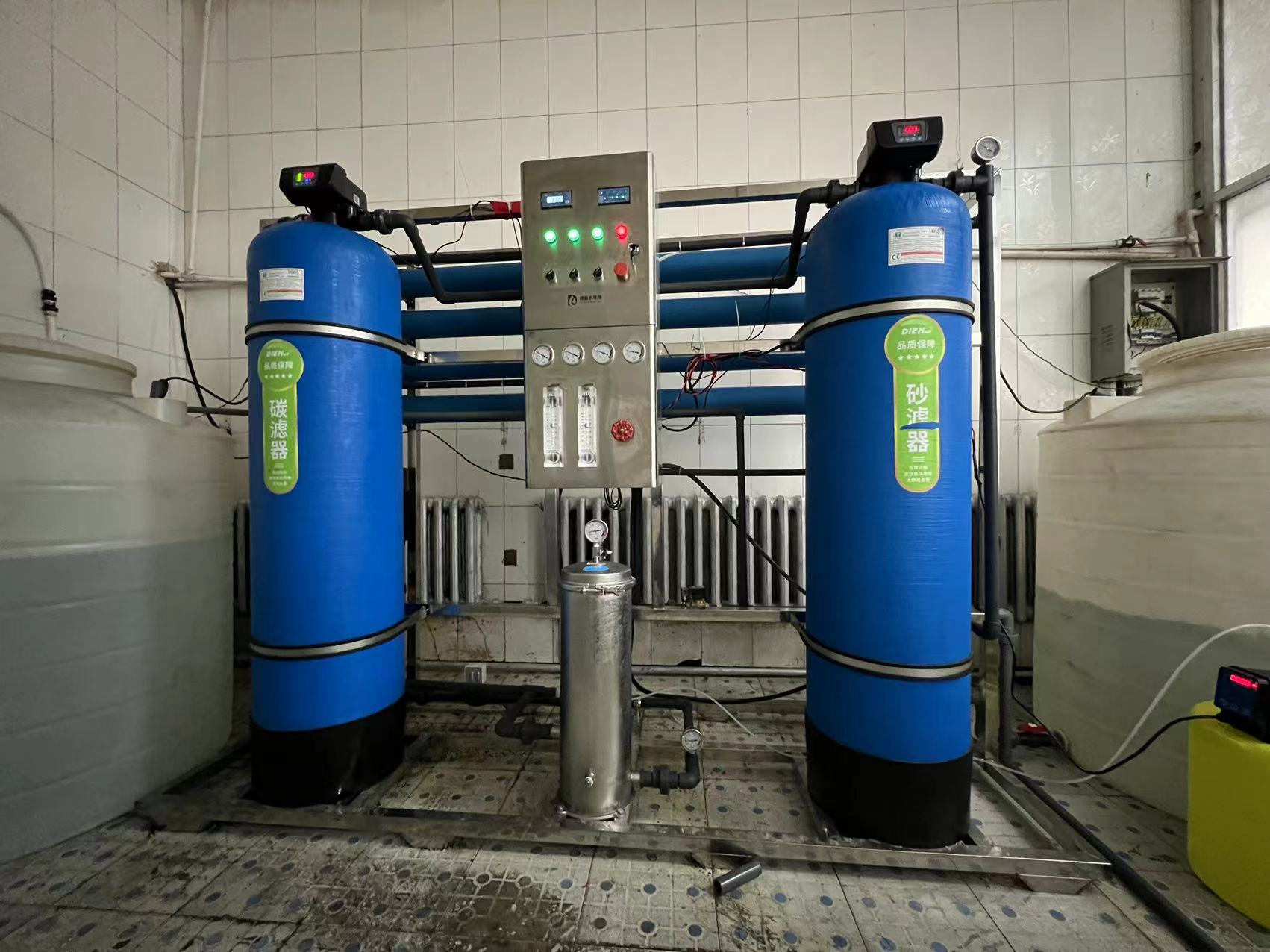
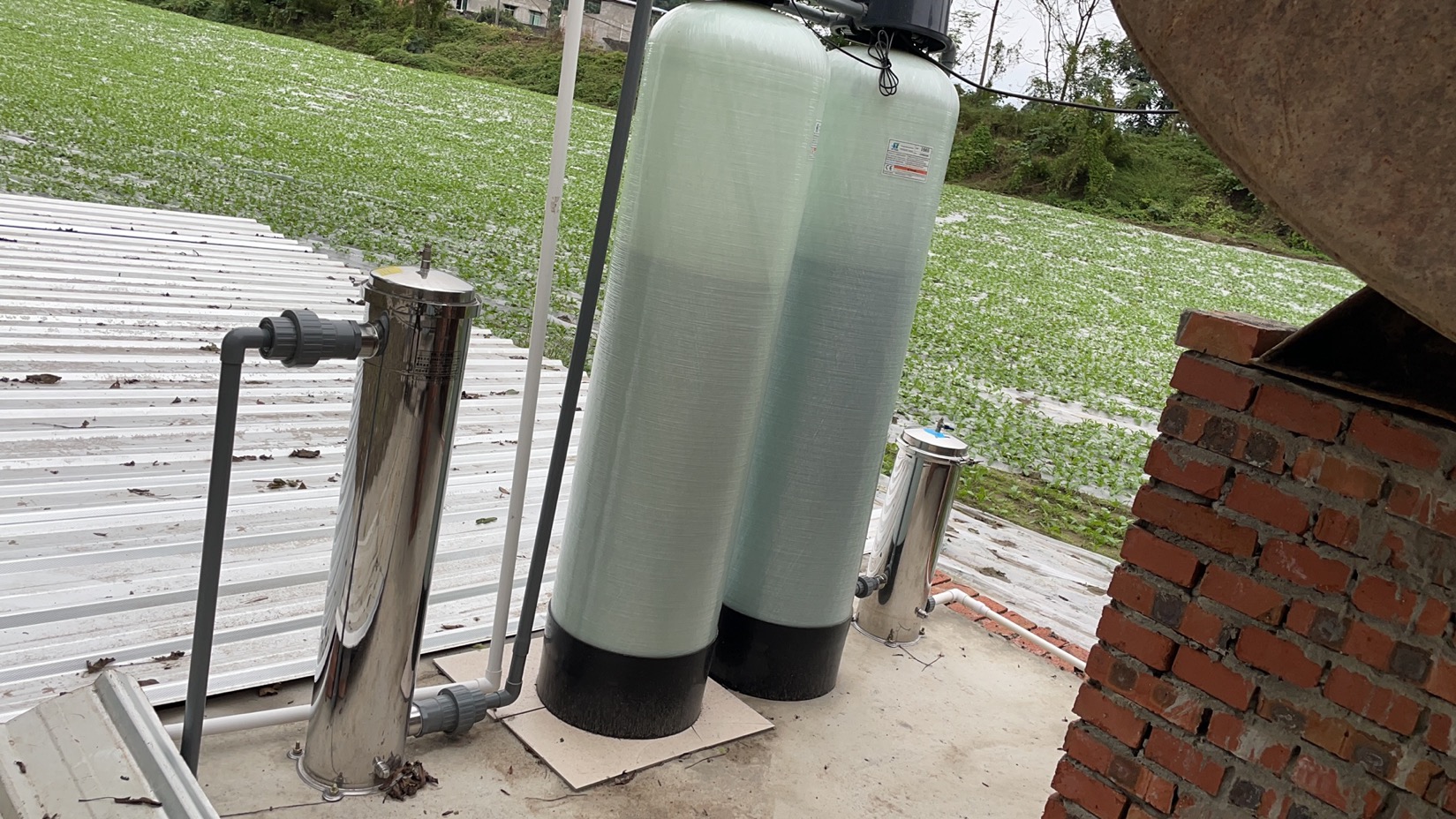
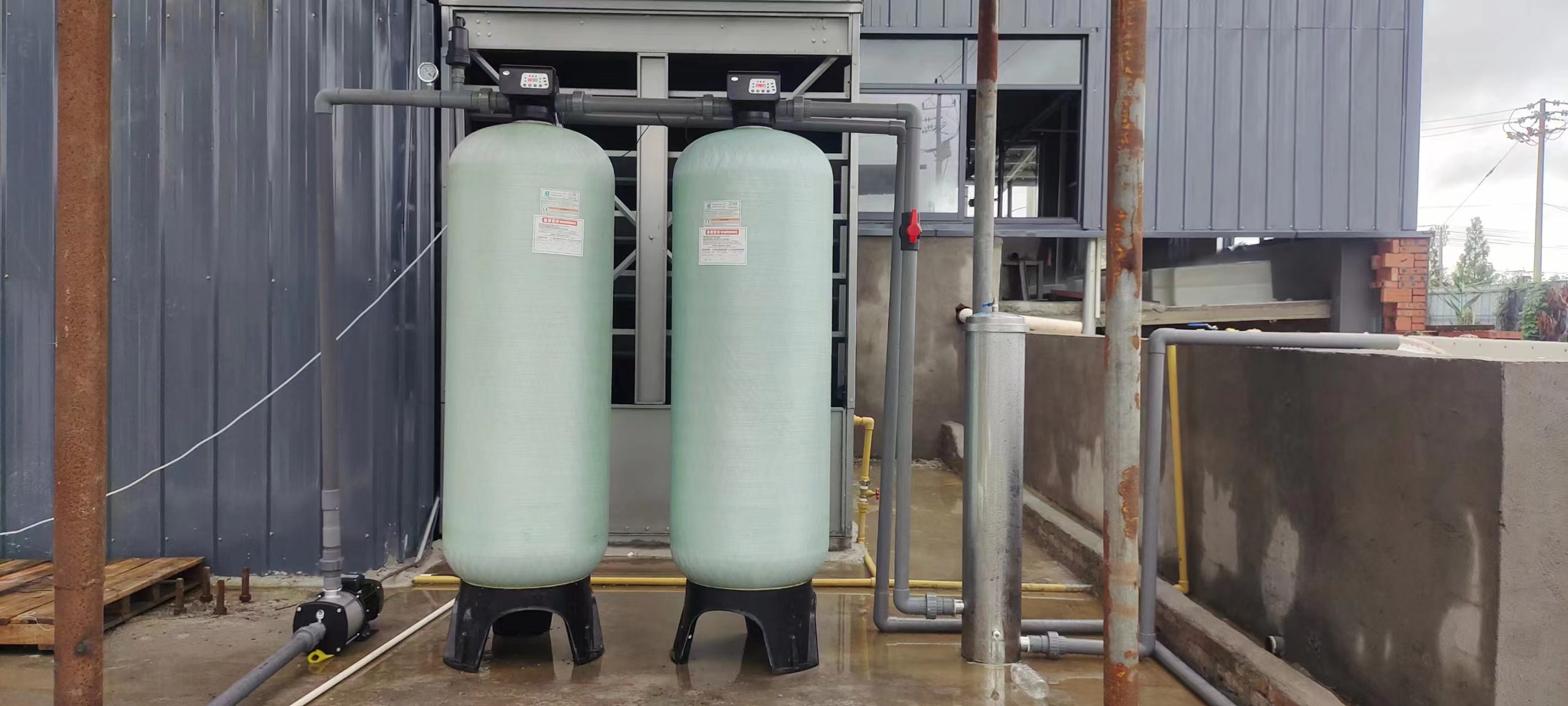
Softened water equipment
Remove scale and reduce hardness
Water softening equipment, as the name suggests, is equipment that reduces water hardness. It mainly removes calcium and magnesium ions in water.
Soft water equipment can be widely used to soften the supply water of steam boiler soft water, hot water boilers, exchangers, evaporative condensers, air conditioners, direct-fired engines and other systems. It can also be used for domestic water treatment in hotels, restaurants, office buildings, apartments, homes, etc. and softened water treatment in food, beverage, brewing, laundry, printing and dyeing, chemical, pharmaceutical and other industries.
Dissolved Air Flotation (DAF)
The core of the dissolved air flotation system is to create microbubbles of air through a "dissolverelease" process, utilizing the interface between the bubbles and suspended matter to achieve separation. The technical process can be broken down into three key steps:
1. Highpressure solution gasification: Building an irrigation solution gasification system
2. Lowpressure gas release: Generating highly adsorbable microbubbles
3. Floatation separation: Creating a rapid solid-liquid interface
Multiple application scenarios
The technical adaptability of dissolved air flotation systems enables them to demonstrate widespread application value in industrial, municipal, and ecological fields.
1. Industrial wastewater treatment: Solving the problem of difficult-to-degradepollutant
2. Municipal water pretreatment: A critical step in ensuring drinking water safety
3. Resource recycling: A value upgrade from "pollution control" to "productivity"
4. Ecological restoration projects: An ecological engine for protecting the aquatic environment
Technology upgrade direction
Driven by both intelligence and green development
1. Building an intelligent operation and maintenance system
2. Innovating green and energy-saving technologies
3. Modular integrated design