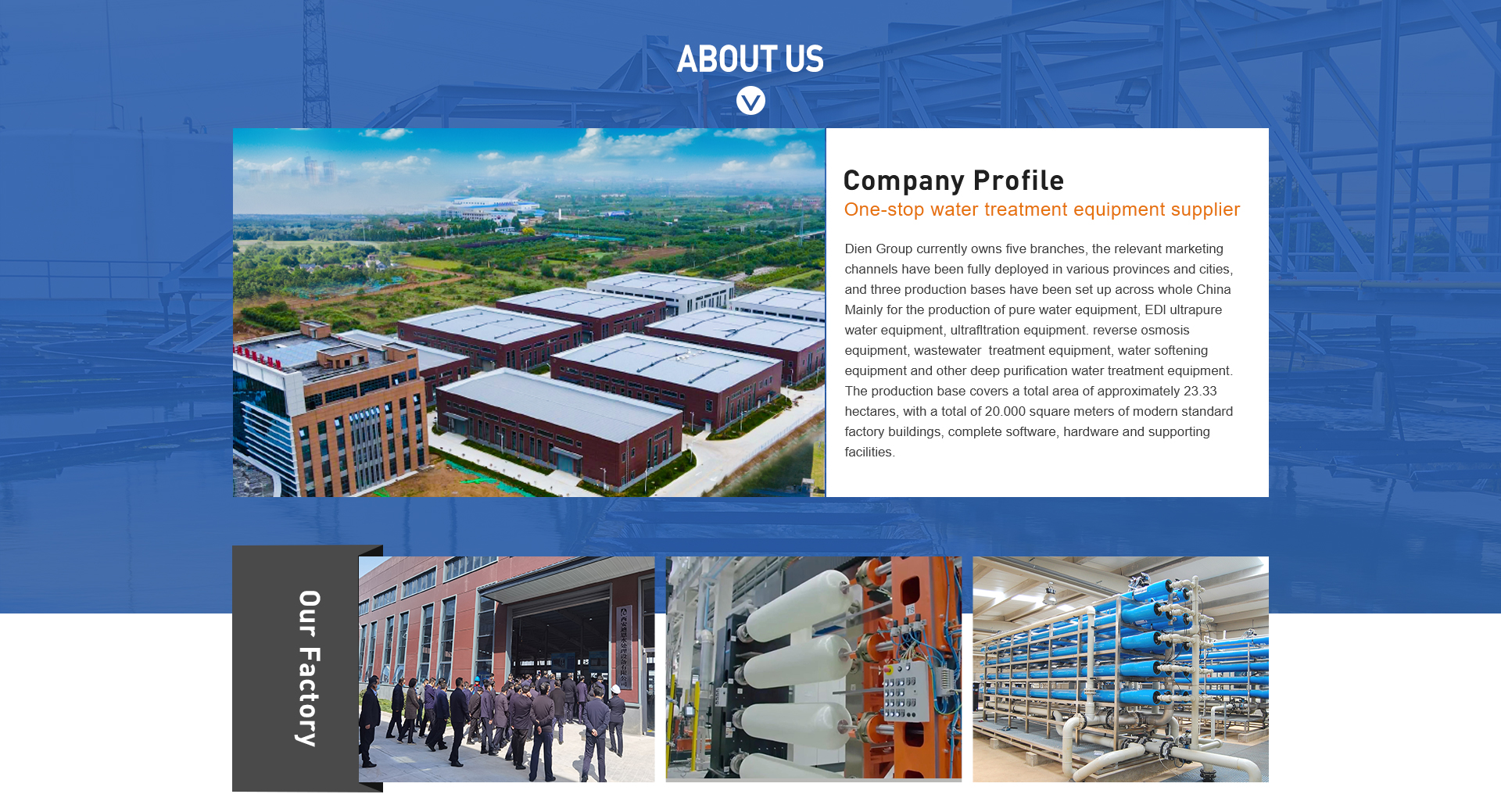
Fiberglass tank
Durable & Corrosion-Resistant Storage Solution
Product Overview
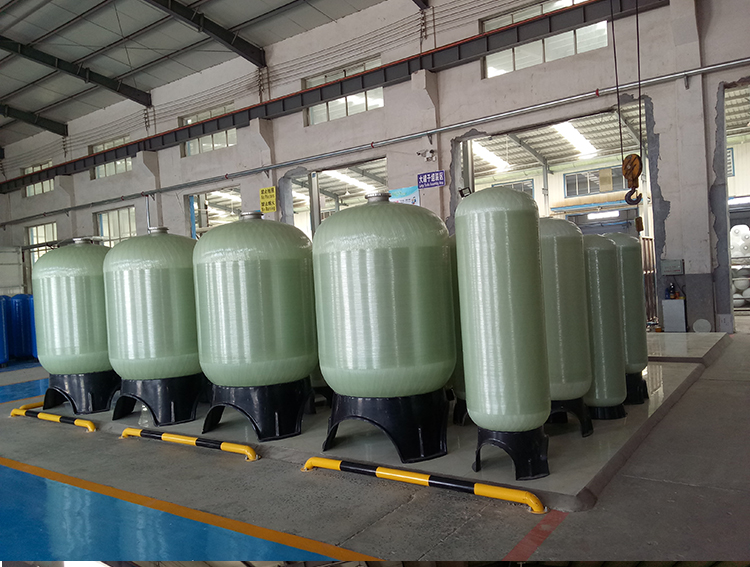
Fiberglass Tanks, also known as FRP (Fiber Reinforced Plastic) Tanks, are widely used in water treatment, filtration, softening, and storage systems.
Manufactured with high-strength fiberglass and food-grade resin, these tanks offer excellent corrosion resistance, high pressure tolerance, and long service life, making them an ideal alternative to carbon steel and stainless steel tanks.
FRP tanks are suitable for resin loading, filter media filling, pressure filtration, and water storage applications.
Product Advantages
(1) FRP tanks are lightweight and high-strength
The relative density is between 1.5 and 2.0, only 1/4 to 1/5 of carbon steel, but its tensile strength is close to or even exceeds that of carbon steel, and its specific strength is comparable to that of high-grade alloy steel. Therefore, it is used in aviation, rockets, spacecraft, high-pressure vessels, and other applications where weight reduction is required. The tensile, flexural, and compressive strengths of some epoxy FRPs can reach over 400 MPa. Note: Specific strength is strength divided by density.
(3) FRP tanks have good electrical properties. It is an excellent insulating material and is used to make insulators. It can still maintain good dielectric properties at high frequencies. It has good microwave transmittance and is widely used in radar antenna covers.
Product Structure & Working Principle
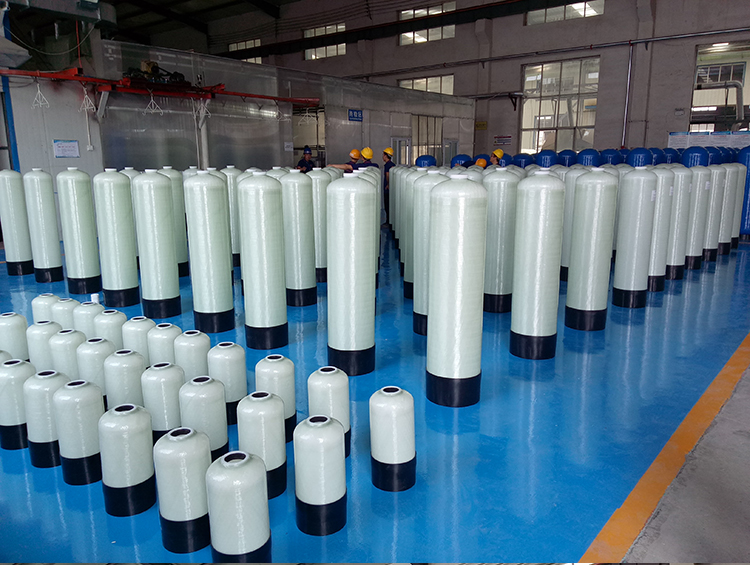
Fiberglass tanks are produced using integrated molding technology:
-
Inner liner made of food-grade PE ensures water safety
-
Outer layer reinforced with fiberglass winding provides high mechanical strength
-
The tank body withstands internal pressure while maintaining lightweight construction
They are commonly used as pressure vessels in filtration and softening systems.
Typical Applications
-
Quartz sand filter tanks
-
Activated carbon filter tanks
-
Water softener resin tanks
-
Multimedia filtration systems
-
Water storage and pressure vessels
Customization Options
-
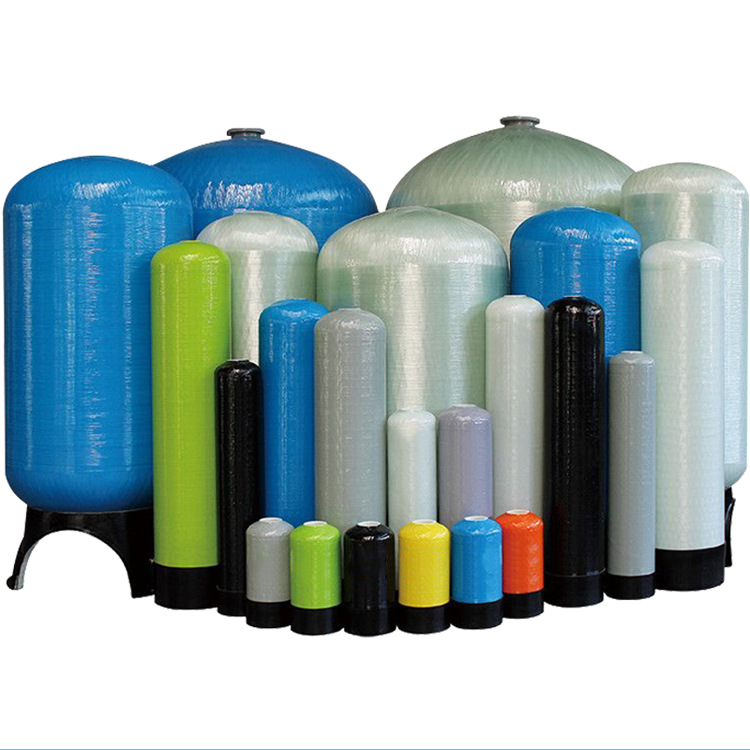
Standard sizes or custom dimensions
-
Color options: Natural / Blue / Black
-
Threaded or flanged connections
-
OEM & ODM available
Reliable Tank Solution for Water Treatment
Fiberglass tanks provide cost-effective, durable, and reliable performance for various water treatment applications, ensuring long-term stability and low maintenance requirements.