Well water filtration equipment
Remove Iron & Manganese | Improve Water Quality | Customizable System
Well Water Filtration Equipment is designed to treat groundwater and well water by effectively removing sand, sediment, iron, manganese, hardness, odor, color, and organic impurities. The system improves water quality, protects downstream equipment, and ensures safe water for industrial and domestic use.
According to the well water quality, the filtration system can be customized with multi-stage treatment processes, making it suitable for different groundwater conditions.
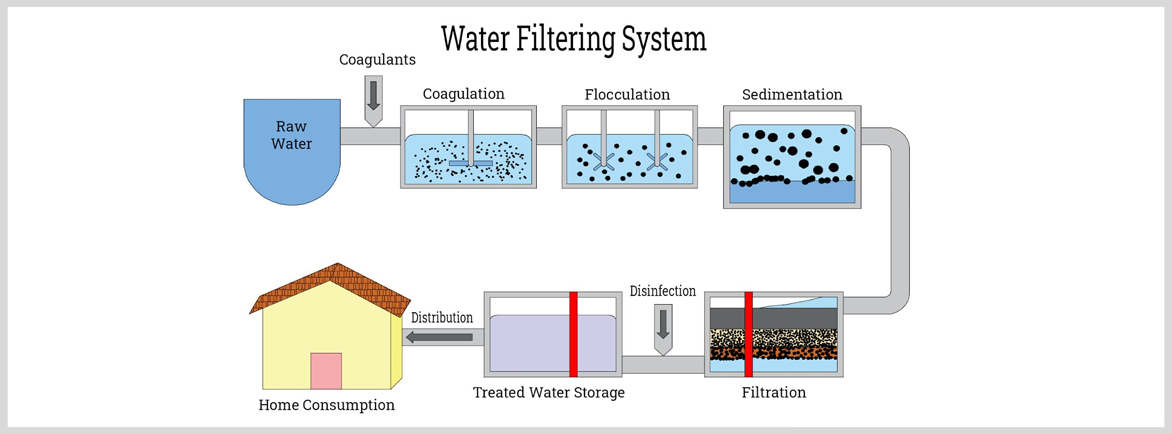
Typical Treatment Process
-
Quartz Sand Filter – removes sediment and suspended solids
-
Iron & Manganese Removal Filter – oxidizes and filters iron and manganese
-
Activated Carbon Filter – removes odor, color, and organic matter
-
Water Softener / Sodium Ion Exchanger (optional)
-
Reverse Osmosis (RO) System (optional, for high-purity water)
-
UV Sterilizer / Ozone (optional)
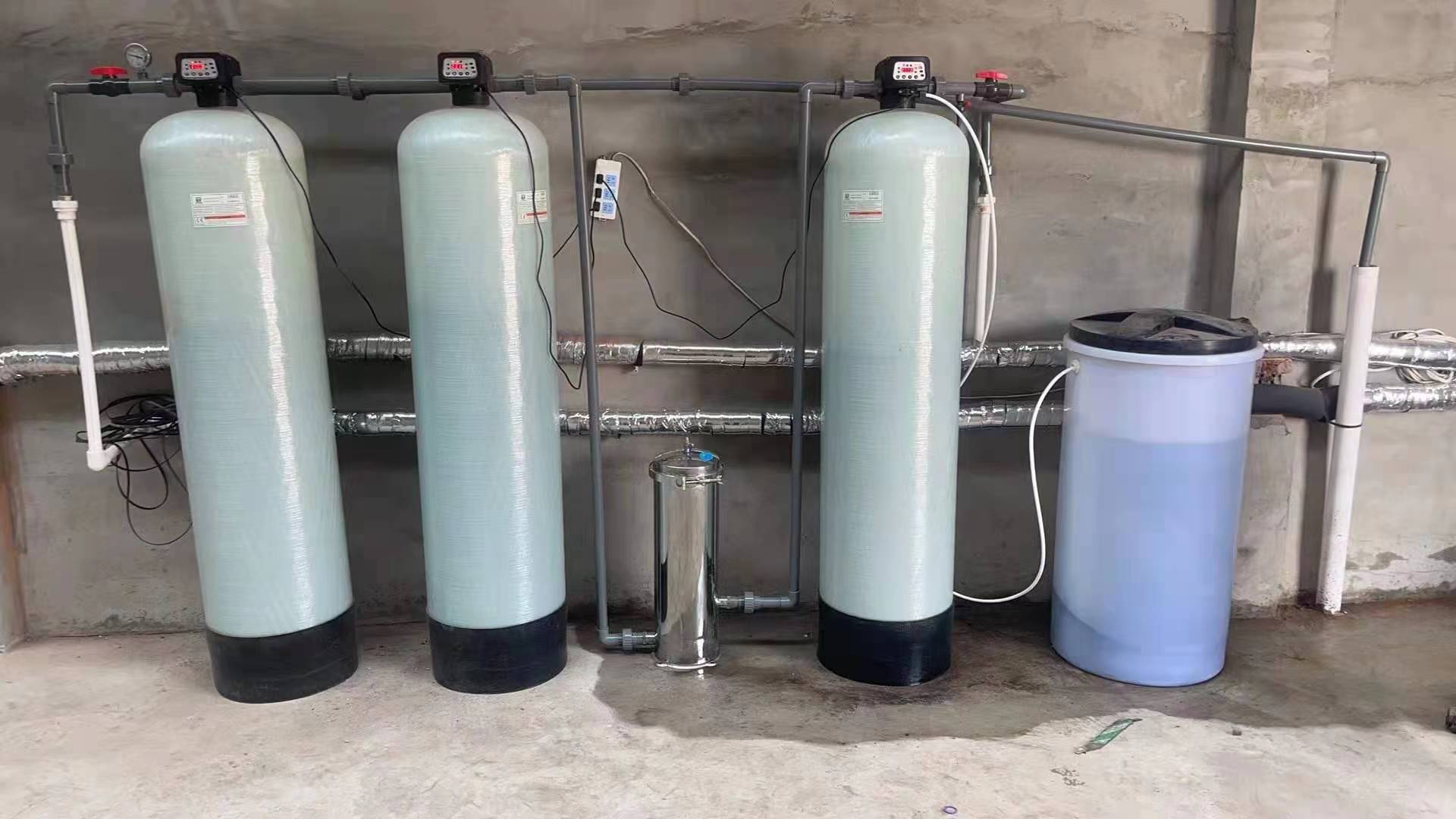
Key Advantages
-
Effectively removes iron, manganese, turbidity, and impurities
-
Improves taste, color, and clarity of water
-
Reduces scale and protects pipelines and equipment
-
Stable performance with low maintenance
-
Automatic operation available
Technical Features
-
Capacity: Customized (1–100+ T/H)
-
Tank material: FRP / Carbon steel / Stainless steel
-
Control mode: Manual / Automatic / PLC
-
Backwash mode: Automatic or manual
-
Installation: Skid-mounted or containerized
Suitable Water Sources
-
Deep well water
-
Shallow well water
-
Groundwater
-
Rural water supply
Application Areas
-
Industrial process water
-
Drinking water pretreatment
-
Agricultural and irrigation water
-
Hotels, schools, and rural communities
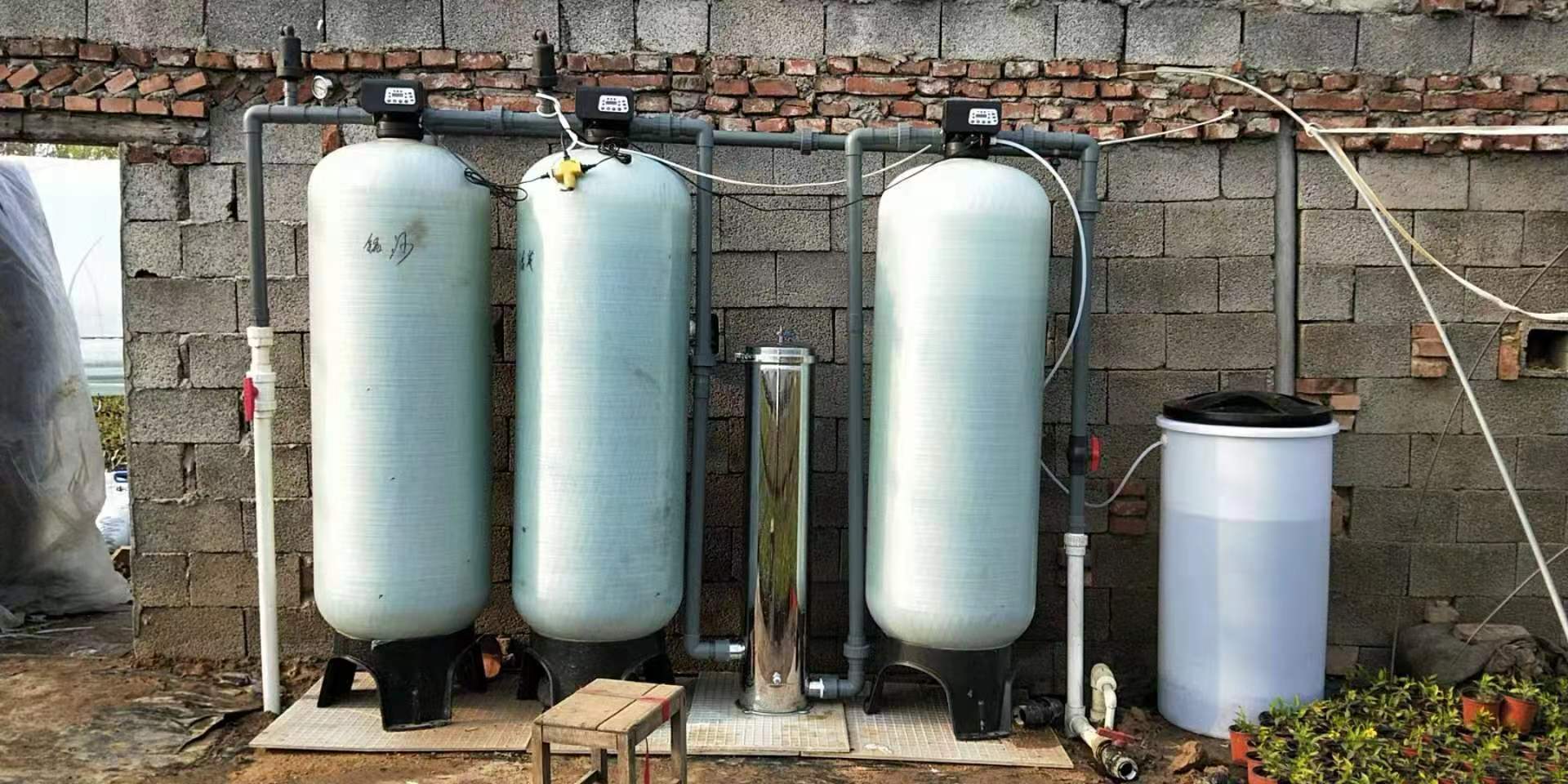
Why Choose Us
-
10+ years water treatment equipment manufacturing experience
-
Factory direct supply and competitive pricing
-
OEM & ODM service available
-
Customized solutions based on water analysis
-
One-stop well water treatment supplier