Small Seawater Desalination Equipment
Product Overview
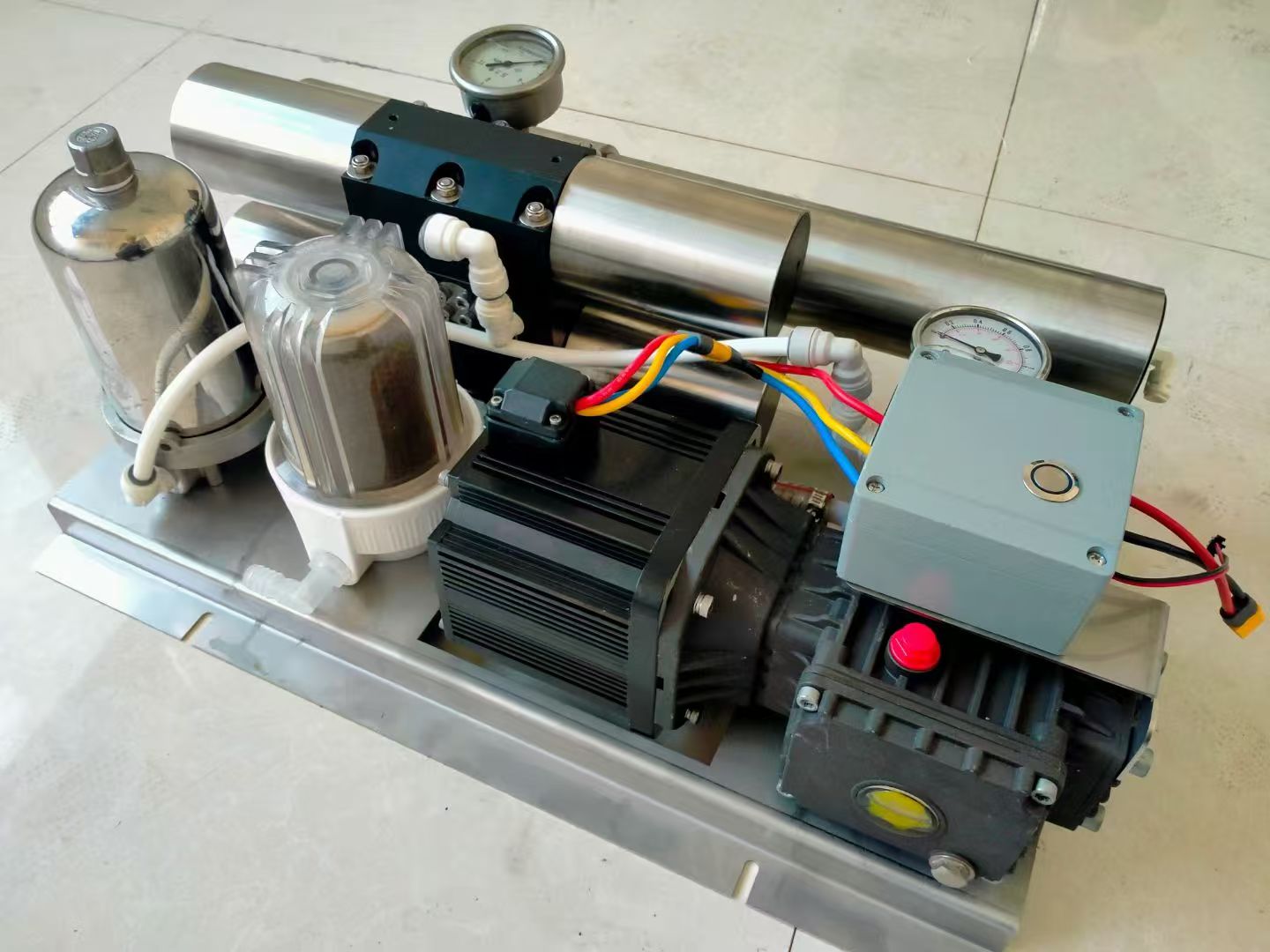
Small Seawater Desalination Equipment is a compact reverse osmosis system designed to convert seawater into clean and usable fresh water for small-scale applications.
Using advanced seawater RO membrane technology, the system efficiently removes dissolved salts, microorganisms, and impurities, providing a stable freshwater supply in areas with limited resources.
This equipment is ideal for islands, coastal villages, ships, resorts, offshore platforms, and emergency water supply.
Working Principle
The system adopts a pretreatment + seawater reverse osmosis process:
-
Pretreatment unit removes suspended solids, turbidity, and organic matter
-
High-pressure pump provides the required pressure to overcome seawater osmotic pressure
-
Seawater RO membranes separate fresh water from salt and contaminants
-
Post-treatment (optional) improves taste and mineral balance
This process ensures high desalination efficiency and reliable operation.
Key Features & Advantages
-
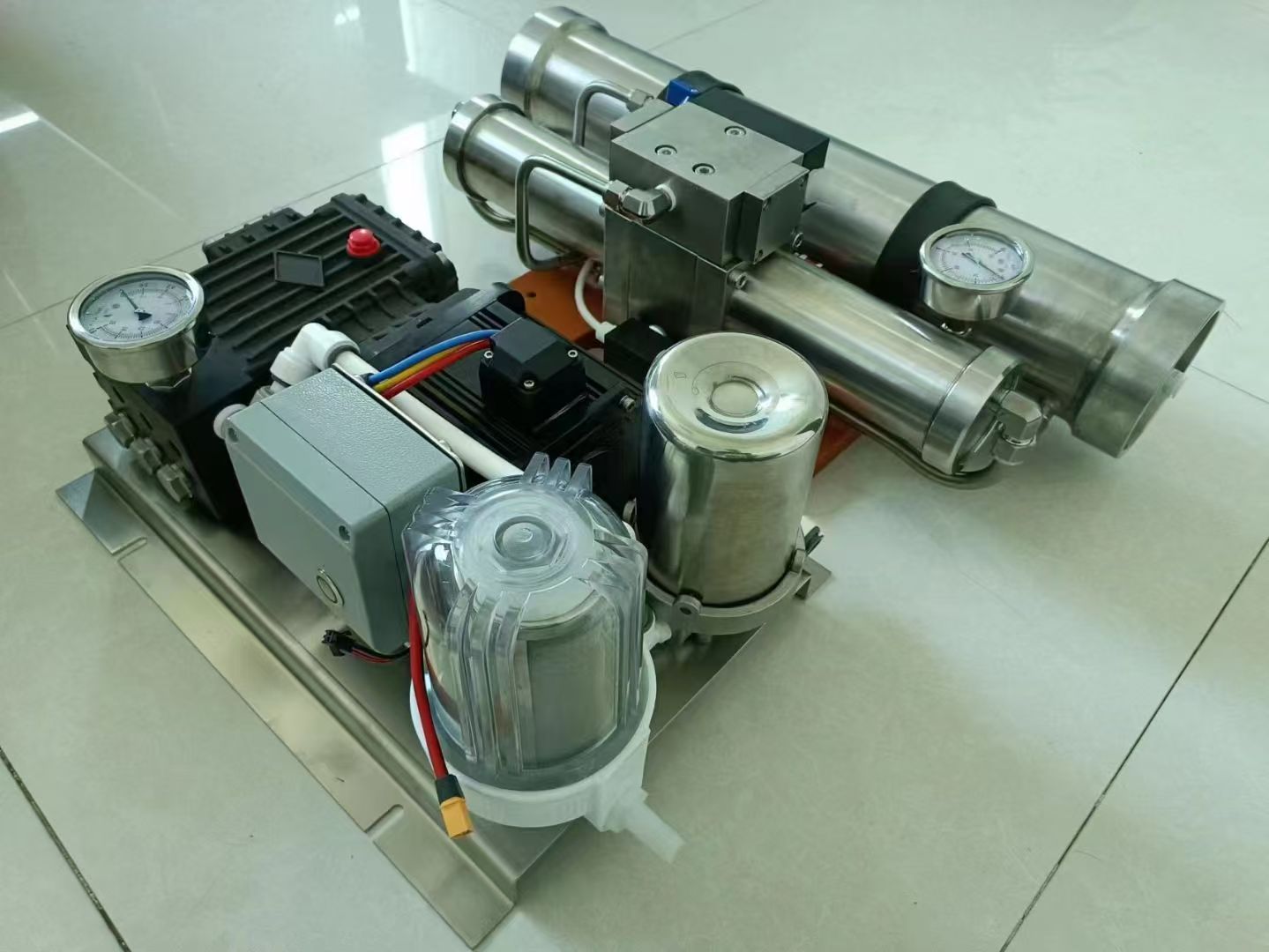
Compact and space-saving design
-
High salt rejection rate (≥99.7%)
-
Low energy consumption
-
Easy installation and operation
-
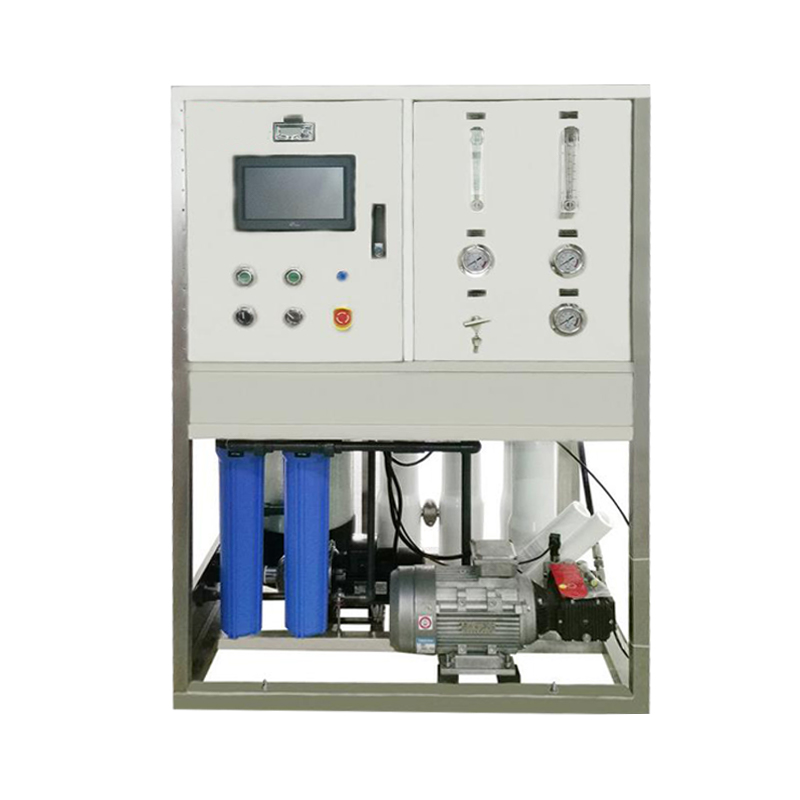
Automatic control system
-
Corrosion-resistant materials
-
Low maintenance cost
Application Areas
-
Small islands & coastal areas
-
Ships & yachts
-
Resorts & hotels
-
Offshore platforms
-
Emergency drinking water supply
-
Remote communities
System Configuration Options
-
Capacity: 0.25–20 m³/day
-
RO membrane brands: DuPont / Toray / Vontron
-
Power supply: 220V / 380V / Diesel generator
-
Skid material: Carbon steel / SS304 / SS316
-
Optional units: Energy recovery device, UV sterilizer, remineralization filter