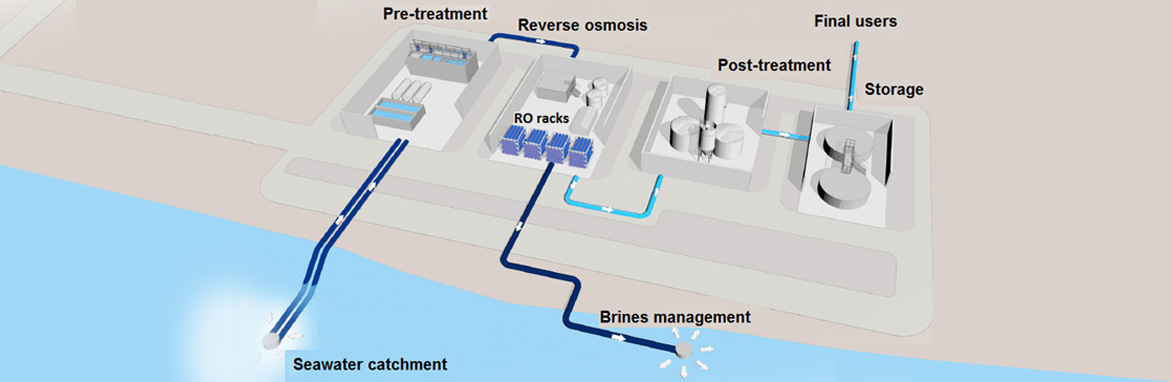
Coastal resort desalination equipment is a system designed specifically to meet large-scale freshwater needs for resort water, restaurant wastewater, swimming pool water replenishment, and public area cleaning. It can convert seawater into freshwater that meets living and commercial standards. Its core features and principles are as follows:
Core features
large water output, with a single set of equipment producing tens to thousands of tons of water per day, suitable for the centralized water needs of dozens to hundreds of guest rooms in a resort; strong stability, with a modular design that can cope with seaside tides, salinity fluctuations and other working conditions. Some equipment supports multi-unit linkage to avoid the impact of single unit failure on water supply; taking into account both energy saving and environmental protection, low-energy reverse osmosis membrane technology is mostly used, and some are equipped with solar energy for auxiliary power supply. In addition, wastewater (concentrated brine) is mostly discharged in compliance with regulations after treatment, reducing the impact on the surrounding sea ecology; water quality meets standards, equipped with a multi-stage filtration and sterilization system, and the produced fresh water meets national drinking water standards and can be directly used for drinking, cooking, etc.
Mainstream principle
Reverse osmosis is the main method. Pre-treatment (PP cotton, activated carbon, precision filter) is first used to remove impurities such as sediment, algae, and residual chlorine in the seawater to protect the core reverse osmosis membrane; the seawater is then pressurized by a high-pressure pump to allow water molecules to pass through the semi-permeable reverse osmosis membrane, intercepting pollutants such as salt and heavy metal ions; finally, post-activated carbon filtration and UV ultraviolet sterilization are used to ensure the safety of freshwater quality.